

Class: Primary Two
Term: Third Term
Subject: Basic Science and Technology
curriculum Theme: Computer Studies
Previous Lesson: Definition Of Digital Wristwatch
Topic: Parts of a Digital Wristwatch
Content/Learning Area: Identify the different parts of a digital wristwatch, Show recognition for the technology behind a digital wristwatch, Collaborate with peers in identifying parts and discussing their functions
Time Allocation: 40 minutes
Performance Objectives
By the end of the lesson, pupils should be able to:
- Cognitive Domain:
- Identify the different parts of a digital wristwatch.
- Explain the function of each part of a digital wristwatch.
- Affective Domain:
- Show appreciation for the technology behind a digital wristwatch.
- Psychomotor Domain:
- Point to and name the different parts of a digital wristwatch.
- Social Domain:
- Collaborate with peers in identifying parts and discussing their functions.
Reference Materials
- 9 – Years Basic Education Curriculum
- Abuja Educational Resource center Scheme of Work
- NAPPS National Unified Scheme of Work
- Relevant Textbooks
Instructional Materials
To deliver this lesson, the teacher will use the following materials:
- A real digital wristwatch
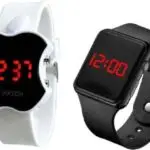
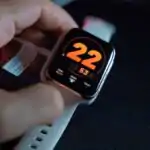
- Pictures of digital wristwatches
- Whiteboard or chart paper
- Markers
Rationale for the Lesson
understanding the parts of a digital wristwatch helps pupils appreciate technology and its role in everyday life. This knowledge builds a foundation for future learning in science and technology.
Prerequisite/Previous Knowledge
The teacher will begin by asking pupils if thay have ever seen a digital wristwatch. The teacher will then show a real digital wristwatch and ask pupils to describe what they see. This will spark curiosity and lead into the lesson.
Lesson Content
Parts of a Digital Wristwatch
Modern digital wristwatches have various features, but basic parts include:
- Display: Shows the time digitally.
- Strap: Holds the watch on your wrist; made of plastic, rubber, or cloth.
- Buttons: Used to set the time and date.
- Case: Protects the watch’s inner parts.
- Backlight: Makes the display visible in the dark.
- Battery: Provides power to the watch.
- Sensors (in advanced models): Some watches have sensors like pedometers, heart rate monitors, GPS, and barometers.
Functions of Digital-Watch Parts
The display shows time and may also show date, alarm or stopwatch information. Buttons are used to select a mode and adjust values. The strap holds the watch on the wrist, the case protects its components, and a battery supplies electrical energy. Some watches have a light for reading the display in darkness.
Button names and functions vary by model, so the user should follow the instructions for that watch. Pupils should not open the case or swallow a button-cell battery; damaged batteries must be handled by a responsible adult.
Teaching Methods
To deliver this lesson, the teacher will adopt the following methods: Exhibition, discussion, Question and Answer
Instructional Procedures
To deliver this lesson, the teacher will adopt the following steps:
Step 1: Introduction
Time: 5 minutes
Teaching Skill: Questioning
Teacher’s Activity: Show a digital wristwatch and ask pupils to describe it.
Pupils’ Activity: observe and describe the wristwatch.
Step 2: Explanation of Key Concepts
Time: 10 minutes
Teaching Skill: Explaining
Teacher’s activity: Explain the different parts of the digital wristwatch (display, strap, buttons, case, backlight, battery, sensors).
Pupils’ Activity: Listen attentively and ask questions.
Step 3: Demonstration/guided Practice
Time: 10 minutes
Teaching Skill: Demonstrating
Teacher’s Activity: Demonstrate how to identify each part on the wristwatch.
Pupils’ Activity: Identify the parts on their own wristwatches or pictures.
Step 4: Self-reliant Practice
Time: 5 minutes
teaching Skill: Monitoring
Teacher’s Activity: Supervise pupils as they work independently.
Pupils’ Activity: Draw a digital wristwatch and label its parts.
Step 5: Note-Taking
Time: 5 minutes
Teaching Skill: Note-taking
Teacher’s Activity: guide pupils in writing notes on the parts of a digital wristwatch.
Pupils’ Activity: Write notes in their notebooks.
Step 6: Evaluation/Review
Time: 5 minutes
Teaching Skill: Questioning
Teacher’s Activity: Ask evaluation questions.
Pupils’ activity: Answer the evaluation questions.
Objective-aligned checks:
- Identify the different parts of a digital wristwatch.
- Explain the function of each part of a digital wristwatch.
- Point to and name the different parts of a digital wristwatch.
Step 7: Conclusion
Time: 5 minutes
Teaching Skill: Summarizing
Teacher’s Activity: Summarize the key parts of a digital wristwatch and their functions, emphasizing the importance of technology in our daily lives. assign homework: to draw a digital wristwatch and label its parts.
Pupils’ Activity: Listen to the summary and note the homework assignment.
Lesson Keywords
- Display – The screen that shows the time and other information.
- Strap – The band that holds the watch on your wrist.
- Buttons – Controls used to set the time and use other functions.
- Case – The outer shell that protects the watch’s internal parts.
- Backlight – A light that makes the display visible in the dark.
- Battery – The power source for the watch.
- Sensors – Components that measure things like steps, heart rate, or location.
Lesson Evaluation
To evaluate the learning,the teacher asks pupils to:
- What do the buttons on a digital wristwatch do?
- Name three parts of a digital wristwatch.
- Why is the battery critically important?
- What extra features might some digital wristwatches have?
- How do the parts work together to show the time?
Assignment/Homework
- Draw a digital wristwatch and label its parts.
- Find out what other types of sensors a digital wristwatch might have.
- Explain why each part of the wristwatch is critically important.
Differentiation
- For slower learners: Provide one-on-one assistance and simplified diagrams.
- For advanced learners: Encourage them to research additional features of digital wristwatches and present their findings.
- For visual/auditory/kinesthetic learners: Use real wristwatches, pictures, and hands-on activities to cater to different learning styles.
Note for Teachers
Ensure to bring a real digital wristwatch to class for demonstration. Encourage pupils to ask questions and participate actively in discussions. Provide clear and concise explanations, using visual aids to enhance understanding.

Community Join the conversation Open discussion +