

Class: Primary 4
Term: First Term
Subject: Pre-Vocational Studies (Agricultural Science)
Curriculum Theme: Agriculture
Previous Lesson:
Topic: Meaning of Agriculture
Content/Learning Area: Meaning, Importance, and Types of Agriculture
Time Allocation: 40 minutes
Performance Objectives
By the end of the lesson, pupils should be able to:
- cognitive Domain: Define agriculture accurately.
- Affective Domain: Show recognition for the role of agriculture in daily life.
- Psychomotor Domain: List different types of agricultural practices.
- Social Domain: Discuss the importance of agriculture in groups.
Reference Materials
- Agricultural Science for Primary Schools.
- Basic Science and Technology for Primary Schools.
- https://www.headteacher.ng/lessons/lesson-note-on-meaning-of-plants-primary-1/
- https://www.headteacher.ng/lesson-note-on-illness-causes-and-prevention-of-illness-basic-3/
- https://www.headteacher.ng/lessons/storage-and-marketing-of-crops/
Instructional Materials
To deliver this lesson, the teacher will employ the help of the following materials: charts illustrating agricultural practices, pictures of different crops and animals, and samples of farm tools.
Rationale for the Lesson
Understanding agriculture’s meaning, importance, and types is crucial for pupils to appreciate its role in food production, economic growth, and environmental sustainability.
prerequisite/previous Knowledge
Pupils are familiar with basic food sources and the concept of farming from thier home environments and previous lessons.
Lesson Content
Meaning of Agriculture
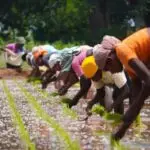
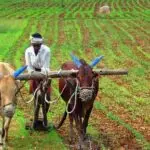
Agriculture is the practice of cultivating land,growing crops,and raising animals for food,fiber,and other resources that are vital for our daily lives. It is a vital industry that plays an important role in sustaining human life.
The Importance of Agriculture
Agriculture is essential for our survival. Some of the reasons why agriculture is critically important include:
- Food Production: Agriculture provides us with the food we need to survive. It is the primary source of our food supply, including fruits, vegetables, grains, and meat.
- Economic Growth: Agriculture is a major contributor to the economy of many countries. It provides jobs for millions of people and generates revenue through the sale of agricultural products.
- Environmental Benefits: Agriculture can play a role in protecting the surroundings. Enduring farming practices can help to conserve soil, water, and biodiversity.
Types of Agriculture
There are many different types of agriculture, each with its own unique characteristics. the following are some of the major types of agriculture:
- subsistence Agriculture: This type of agriculture is practiced by farmers who produce enough food to feed themselves and their families.
- Commercial Agriculture: This type of agriculture is practiced by farmers who produce crops and animals for sale in the market.
- Organic Agriculture: This type of agriculture is practiced by farmers who use natural methods to grow crops and raise animals, without the use of synthetic pesticides, herbicides, or fertilizers.
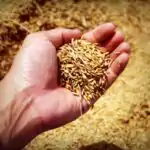
- Arable Farming: This involves cultivating crops like yam, maize, and rice.
- Pastoral farming: This involves rearing animals like goats, cattle, and sheep.
Teaching Methods
To deliver this lesson, the teacher will adopt the following methods: Discussion, Clarification, Visual Aids, question and Answer.
Instructional Procedures
To deliver this lesson, the teacher will adopt the following steps:
Step 1: introduction
Time: 5 minutes
Teaching Skill: Set Induction
Teacher’s Activity: The teacher asks pupils about their favorite foods and where they come from, leading into a discussion about agriculture.Pupils’ Activity: Pupils respond by naming their favorite foods and sharing their basic understanding of where food comes from.
Step 2: defining Agriculture
Time: 10 minutes
Teaching Skill: Explanation
Teacher’s Activity: The teacher explains the meaning of agriculture, emphasizing its role in providing food and other resources.
Pupils’ Activity: Pupils listen attentively and ask questions to clarify their understanding of agriculture.
Step 3: Importance of Agriculture
Time: 10 minutes
Teaching Skill: Discussion
Teacher’s Activity: The teacher leads a discussion on the importance of agriculture, highlighting food production, economic growth, and environmental benefits.
Pupils’ Activity: Pupils participate in the discussion, sharing their thoughts on how agriculture affects their lives.
Step 4: Types of Agriculture
Time: 10 minutes
Teaching Skill: Explanation
Teacher’s Activity: The teacher explains the different types of agriculture, including subsistence, commercial, and organic farming, providing examples for each.
Pupils’ Activity: Pupils take notes on the different types of agriculture and ask questions for better understanding.
step 5: Note-taking
Time: 3 minutes
Teaching Skill: summarization
Teacher’s Activity: The teacher summarizes the main points of the lesson on the board.
Pupils’ Activity: Pupils copy the notes into their notebooks.
Step 6: Evaluation/Review
Time: 2 minutes
Teaching Skill: Assessment
Teacher’s Activity: The teacher asks questions to assess pupils’ understanding of the lesson.
Pupils’ Activity: Pupils answer the questions to demonstrate their understanding.
Objective-aligned checks:
- Show recognition for the role of agriculture in daily life.
- List different types of agricultural practices.
step 7: Conclusion
Time: 2 minutes
Teaching Skill: Closure
Teacher’s Activity: The teacher summarizes the lesson and previews the next topic.
Pupils’ Activity: Pupils listen and ask any remaining questions.
Lesson Keywords
- Agriculture – The practice of cultivating land, growing crops, and raising animals.
- Subsistence Agriculture – Farming to produce enough food for oneself and family.
- Commercial Agriculture – Farming to produce crops and animals for sale.
- Organic Agriculture – Farming using natural methods without synthetic chemicals.
lesson Evaluation
To evaluate the learning, the teacher asks pupils to:
- Define agriculture in their own words.
- List two reasons why agriculture is important.
- Name three different types of agriculture.
- Explain the difference between subsistence and commercial agriculture.
- Describe one way agriculture can benefit the environment.
Assignment/Homework
- Research and write a short paragraph on a specific agricultural practice in Nigeria.
- List five common crops grown in Nigeria and explain their uses.
- Interview a local farmer and write a brief report on their farming methods.
Differentiation
- For slower learners: Provide simplified notes and one-on-one assistance during explanations.
- For advanced learners: Encourage them to research and present on sustainable agricultural practices.
- For visual/auditory/kinesthetic learners: Use visual aids, discussions, and hands-on activities to cater to different learning styles.
Note for Teachers
Ensure to use local examples and visual aids to make the lesson relatable and engaging for the pupils. Encourage active participation and questions to foster a deeper understanding of the topic.

Community Join the conversation Open discussion +