

Class: Primary Four
Term: First Term
Subject: National Values Education
Curriculum Theme: Social Studies
Previous Lesson: Customs and Beliefs
Topic: Ways Of Preserving Culture
Content/Learning Area: What is Culture?, Ways of Preserving Culture
Time Allocation: 40 minutes
performance Objectives
By the end of the lesson, pupils should be able to:
- Cognitive Domain:
– Describe ways of preserving culture.
- Psychomotor Domain:
– Actively participate in class discussions about cultural preservation.
- Affective Domain:
– Show appreciation for their own and other cultures.
- Social Domain:
– Work collaboratively with peers in group activities.
Reference Materials
- 9 – Years Basic Education Curriculum
- Abuja Educational Resource Center scheme of Work
- NAPPS national Unified Scheme of Work
- relevant Textbooks
Instructional Materials
To deliver this lesson, the teacher will use the following materials:
- Whiteboard or chart paper
- Markers or crayons
- Pictures or illustrations related to cultural preservation
Rationale for the lesson
Understanding and preserving culture fosters a sense of identity and belonging. This lesson helps pupils appreciate their heritage and promotes respect for diverse cultural practices.
Prerequisite/Previous Knowledge
The teacher will begin by asking pupils to share examples of traditions or customs they celebrate with their families. This will spark a discussion about culture and its importance, leading into the lesson’s topic.
Lesson Content
What is culture?
Culture encompasses the shared beliefs,customs,values,and traditions of a group of people. It is what makes a group unique and connects them to their heritage. A vital part of our lives.
Ways of Preserving Culture
Cultural preservation involves activities and practices aimed at protecting and promoting cultural heritage. These include:
The following are ways of preserving culture:
- Storytelling: Sharing stories about ancestors, traditions, and values keeps culture alive. these stories are passed down through generations.
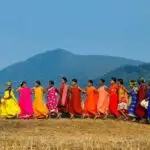
- Cultural Festivals: Festivals celebrate culture and traditions, bringing people together to share customs and beliefs. Examples include the Argungu Fishing Festival and the osun-Osogbo festival.
- Sports and Games: Many cultures have unique sports and games that are fun and preserve cultural heritage. Examples include customary wrestling and Ayo game.
- Visits to Cultural sites and museums: Visiting historical sites and museums helps us learn about the past and appreciate cultural artifacts. Examples include the National Museum in Lagos and the Osun-Osogbo Sacred Grove.
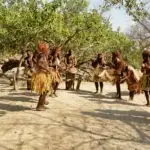
- Traditional Music and dance: Preserving traditional music and dance forms ensures that cultural expressions are passed on to future generations. Examples include Igbo highlife music and Yoruba Bata dance.
- Language preservation: Promoting and teaching indigenous languages helps maintain cultural identity and heritage.
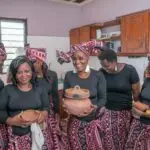
- Traditional arts and Crafts: Supporting and practicing traditional arts and crafts, such as pottery, weaving, and carving, preserves cultural skills and knowledge.
Teaching Methods
To deliver this lesson, the teacher will adopt the following methods: Discussion, Question and answer, Group work
Instructional Procedures
To deliver this lesson, the teacher will adopt the following steps:
Step 1: Introduction
Time: 5 minutes
Teaching Skill: set Induction
Teacher’s Activity: Asks pupils to share examples of traditions or customs they celebrate.
Pupils’ Activity: Share examples and participate in a brief discussion.
Step 2: Description of Key Concepts
Time: 10 minutes
Teaching Skill: Explaining
Teacher’s Activity: Explains the definition of culture and its importance.
Pupils’ Activity: Listen attentively and ask clarifying questions.
Step 3: Examples of Cultural Preservation
Time: 10 minutes
Teaching Skill: Modeling
Teacher’s Activity: Presents examples of ways to preserve culture (storytelling, festivals, etc.).
Pupils’ Activity: Participate in a guided discussion and provide examples.
Step 4: Group Activity
Time: 5 minutes
Teaching Skill: Monitoring
Teacher’s Activity: Guides pupils in small group activities related to cultural preservation.
Pupils’ Activity: Work in groups to brainstorm and discuss additional ways to preserve culture.
Step 5: Note-Taking
Time: 5 minutes
Teaching Skill: Summarizing
Teacher’s Activity: Summarizes key concepts and provides a brief overview of the lesson.
Pupils’ activity: Take notes on the key points discussed.
Step 6: Evaluation/Review
Time: 5 minutes
Teaching Skill: Assessing
Teacher’s Activity: Asks evaluation questions to assess understanding.
Pupils’ Activity: Answer the evaluation questions.
Step 7: Conclusion
Time: 2 minutes
Teaching Skill: Summarizing
Teacher’s Activity: Concludes the lesson by summarizing the key points discussed.
Pupils’ Activity: Listen to the summary and ask any remaining questions.
Lesson Keywords
- Culture – Shared beliefs, customs, and traditions of a group of people.
- Preservation – Protecting and maintaining cultural heritage.
- Traditions – Customs or beliefs passed down from generation to generation.
- Festivals – Celebrations that showcase cultural practices and traditions.
- Storytelling – Sharing stories to keep culture alive.
Lesson Evaluation
To evaluate the learning, the teacher asks pupils to:
- Name a cultural festival you celebrate.
- Why are history museums significant for preserving culture?
- How does storytelling help preserve culture?
- What are some other ways to preserve culture?
Assignment/Homework
- Research and write about a traditional festival in your community.
- Interview a family member about a cultural tradition and write a short summary.
Differentiation
- For slower learners: Provide one-on-one assistance and simplified explanations.
- For advanced learners: Encourage them to research and present additional examples of cultural preservation.
- For visual/auditory/kinesthetic learners: Use visual aids, discussions, and hands-on activities to cater to different learning styles.
Note for Teachers
Encourage pupils to share personal experiences related to cultural preservation to make the lesson more engaging and relevant. Emphasize the importance of respecting and appreciating diverse cultures.

Community Join the conversation Open discussion +