

Class: Primary Three
Term: Frist Term
Subject: Basic Science and Technology
Curriculum Theme: Basic Science
Previous Lesson:
Topic: soil
Content/Learning Area: Defining soil, Importance of soil to plants, humans, and animals, types of soil
Time Allocation: 40 minutes
Performance Objectives
By the end of the lesson, pupils should be able to:
- Cognitive Domain:
1. Define soil.
2. Identify the importance of soil to plants, humans, and animals.
3. Mention and describe types of soil.
- Affective Domain:
1. show thankfulness for the importance of soil.
2.develop a sense of obligation towards soil conservation.
- Psychomotor domain:
1. Participate actively in class discussions.
2. observe and compare different soil samples (if applicable).
- Social Domain:
1. Work collaboratively with peers during activities.2. Share ideas and participate respectfully in discussions.
Reference Materials
- 9 – Years Basic Education Curriculum
- Abuja educational resource Center scheme of Work
- NAPPS National Unified Scheme of Work
- Online Details
- relevant Textbooks
Instructional Materials
To deliver this lesson, the teacher will use the following materials:
- Whiteboard or chart paper
- Markers or crayons
- Pictures or real samples of different soil types (optional)
Rationale for the Lesson
Understanding soil is crucial for appreciating the surroundings and the importance of agriculture. This lesson lays the foundation for future learning about plants, ecosystems, and environmental conservation.
Prerequisite/Previous Knowledge
The teacher will start by asking pupils what they know about the ground where plants grow.A brief discussion will follow, leading into the definition of soil.
Lesson Content
Soil
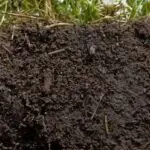
Soil is the earth’s top layer where plants grow. It’s the brown, black, or gray material covering the land.
What is soil?
Soil is a mixture of tiny rock particles, decayed plants and animals, and air. This mixture helps plants grow.
Importance of Soil
Soil plays a vital role in supporting life on Earth, providing essential resources and functions for plants, animals, and humans.The following are some of the importance of soil:
- For Plants: Soil gives plants nutrients and holds water for them to drink.
- For Humans: We use soil to grow food and build things.
- For Animals: Soil is a home and food source for many animals.
- For Construction: Soil is used in construction for making bricks and other building materials.
- For Water Filtration: Soil helps to filter and purify water as it seeps into the ground.
Types of Soil
Soil types vary in texture,composition,and ability to support plant growth. thes include:
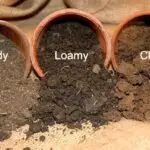
- Sand: Loose, grainy, and doesn’t hold water well. Plants may not grow well in sandy soil.
- Clay: Smooth, sticky, holds water well, but can be hard for plant roots to grow through.
- Loam: A mix of sand, clay, and silt. It’s best for plants because it holds water and allows roots to grow easily.
- Silt: Fine particles that hold moisture well and are fertile, often found near rivers and lakes.
- peat: Dark, organic soil made of decayed plant matter, excellent for water retention and acidity.
Teaching Methods
To deliver this lesson, the teacher will adopt the following methods: Discussion, Question and answer, Visual aids (pictures/samples).
Instructional Procedures
To deliver this lesson, the teacher will adopt the following steps:
step 1: Introduction (Set Induction)
Time: 5 minutes
Teaching Skill: Questioning
Teacher’s Activity: asks pupils what they know about the ground where plants grow.
Pupils’ Activity: Share their prior knowledge and participate in a brief discussion.
Step 2: Description of Key Concepts
Time: 10 minutes
Teaching Skill: Clarification
Teacher’s Activity: Defines soil and explains its composition.
Pupils’ Activity: Listen attentively and ask clarifying questions.
Step 3: Demonstration of Soil Types
Time: 10 minutes
Teaching Skill: Demonstration
Teacher’s Activity: Shows pictures or samples of different soil types and explains their characteristics.
Pupils’ Activity: Observe and compare the different soil types.
step 4: Self-reliant Practice
Time: 5 minutes
Teaching Skill: Guided Practice
Teacher’s Activity: Asks pupils to identify the types of soil shown in pictures or samples.Pupils’ Activity: Identify and describe the different soil types.
Step 5: Note-Taking
Time: 5 minutes
Teaching Skill: Note-Taking
Teacher’s Activity: Guides pupils in taking notes on key concepts.
Pupils’ Activity: Write down vital points from the lesson.
Step 6: Evaluation/Review
Time: 5 minutes
Teaching skill: Questioning
Teacher’s Activity: Asks review questions to assess understanding.
Pupils’ Activity: Answer the review questions.
Objective-aligned checks:
- Identify the importance of soil to plants, humans, and animals.
- Mention and describe types of soil.
- show thankfulness for the importance of soil.
Step 7: Conclusion
Time: 2 minutes
Teaching Skill: Summarizing
Teacher’s Activity: Summarizes the key points about soil and its importance, emphasizing the need to protect and conserve soil.
Pupils’ Activity: Listen attentively and ask any remaining questions.
Lesson Keywords
- Soil – The top layer of the earth’s surface where plants grow.
- Sand – A type of soil that is loose and grainy.
- Clay – A type of soil that is smooth and sticky.
- Loam – A type of soil that is a mix of sand, clay, and silt.
- Nutrients – Substances that plants need to grow.
Lesson Evaluation
To evaluate the learning, the teacher asks pupils to:
- What is soil made of?
- Why is soil important for plants?
- How is clay soil different from sandy soil?
- What type of soil is best for growing plants?
- Name some animals that live in the soil.
Assignment/Homework
- Collect samples of different types of soil from your surroundings.
- Describe the characteristics of each soil sample you collected.
- Research and write about the importance of soil conservation.
Differentiation
- For slower learners: The teacher will provide additional one-on-one support and simplified explanations.
- For advanced learners: The teacher will encourage them to research further on soil types and their properties.
- For visual/auditory/kinesthetic learners: use visual aids,discussions,and hands-on activities to cater to different learning styles.
Note for Teachers
Ensure to bring real soil samples to class for better understanding. Encourage pupils to participate actively in discussions and ask questions.


Community Join the conversation Open discussion +