

Class: Primary Two
Term: First Term
Subject: Basic Science and Technology
Curriculum Theme: Physical & Health Education
Previous Lesson:
Topic: Practicing Basic Manipulative Movement
Content/Learning Area: What is Manipulative Movement?,throwing,Catching,Rolling,Kicking,Dribbling,Balancing,Stacking
Time Allocation: 40 minutes
Performance Objectives
By the end of the lesson,pupils should be able to:
- Cognitive Domain:
1. Mention the skills in basic manipulative movement.
2. Describe different types of manipulative movements.
3. Explain the importance of practicing manipulative movements.
- Affective Domain:
1. Show interest and enthusiasm in practicing manipulative movements.
2. Appreciate the importance of developing hand-eye coordination and motor skills.
- Psychomotor Domain:
1. Demonstrate throwing, catching, rolling, kicking, dribbling, balancing, and stacking.
- Social Domain:
1. Participate actively in group activities involving manipulative movements.
2. Cooperate with peers during practice sessions.
Reference Materials
- 9 – Years Basic Education Curriculum
- Abuja Educational Resource Center scheme of Work
- NAPPS National Unified Scheme of Work
- Online Details
- Relevant Textbooks
Instructional Materials
To deliver this lesson, the teacher will use the following materials:
- Balls
- Blocks
- Ropes
- Other suitable objects for manipulative activities
- Whiteboard or chart
rationale for the Lesson
This lesson is crucial for developing essential motor skills essential for various physical activities and everyday tasks. Mastering thes skills improves hand-eye coordination and overall physical progress,benefiting pupils in sports,arts,and daily life.
Prerequisite/Previous Knowledge
The teacher will start by asking pupils to share their favorite games involving movement. This will led into a discussion about how we use our hands and bodies to control objects in those games, setting the stage for the lesson on manipulative movements.
Lesson Content
what is Manipulative Movement?
Manipulative movement uses our hands and bodies to control objects. It’s significant for our physical progress and improves hand-eye coordination and motor skills. Examples are:
- Throwing
- Catching
- Rolling
- Kicking
- Dribbling
- Balancing
- Stacking
Throwing
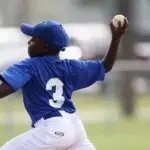
Throwing involves using your arm and hand to send an object through the air, like throwing a ball.
Catching
Catching is the opposite of throwing. You use your hands to stop a moving object,like catching a ball.
Rolling
Rolling moves an object along a surface by turning it, like rolling a ball.
Kicking
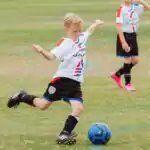
Kicking uses your foot to propel an object, like kicking a ball.
Dribbling
Dribbling means bouncing an object on the ground while moving, like dribbling a basketball.
Balancing
Balancing keeps your body steady, like balancing on one foot.
Stacking
Stacking means arranging objects on top of each other,like stacking blocks.
Teaching Methods
To deliver this lesson, the teacher will adopt the following methods: Presentation, guided practice, Question and Answer, Group Activity
Instructional Procedures
To deliver this lesson, the teacher will adopt the following steps:
Step 1: introduction
Time: 5 minutes
Teaching Skill: Set Induction
Teacher’s Activity: Briefly introduce the topic of manipulative movement and its importance.Pupils’ activity: listen attentively and participate in the introductory discussion.
Step 2: clarification of Key Concepts
Time: 10 minutes
Teaching Skill: explaining
Teacher’s Activity: Explain the meaning of manipulative movement and provide examples.
Pupils’ Activity: Listen attentively and ask clarifying questions.
Step 3: Demonstration/Guided Practice
Time: 15 minutes
Teaching Skill: demonstrating
Teacher’s Activity: Demonstrate each manipulative movement (throwing, catching, rolling, kicking, dribbling, balancing, stacking).
Pupils’ Activity: observe the demonstrations and practice each movement under the teacher’s guidance.
Step 4: Self-Reliant Practice
Time: 5 minutes
Teaching Skill: Monitoring
Teacher’s Activity: Supervise pupils as they practice the movements independently or in small groups.
Pupils’ Activity: Practice the movements independently or in small groups.
Step 5: Note-Taking
Time: 2 minutes
Teaching Skill: Note-taking
Teacher’s Activity: Guide pupils in taking notes on the key concepts and movements.
Pupils’ Activity: Take notes on the key concepts and movements.
Step 6: Evaluation/Review
Time: 3 minutes
Teaching Skill: Questioning
Teacher’s Activity: Ask review questions to assess understanding.
Pupils’ activity: Answer the review questions.
Objective-aligned checks:
- Mention the skills in basic manipulative movement.
- Describe different types of manipulative movements.
- Explain the importance of practicing manipulative movements.
Step 7: Conclusion
Time: 2 minutes
Teaching Skill: Summarizing
Teacher’s Activity: Summarize the key concepts of manipulative movement and encourage pupils to continue practicing these skills at home and in their free time.
Pupils’ Activity: Listen to the summary and ask any remaining questions.
Lesson Keywords
- Manipulative Movement – Using hands and body to control objects.
- Throwing – Propelling an object through the air.
- Catching – Receiving and stopping a moving object.
- Rolling – Moving an object along a surface by turning it.
- Kicking – Propelling an object with the foot.
- Dribbling – Bouncing an object while moving.
- Balancing – Maintaining stability.
- Stacking – Arranging objects on top of each other.
Lesson Evaluation
To evaluate the learning, the teacher asks pupils to:
- what are three skills you learned about basic manipulative movement?
- Can you describe how to throw a ball?
- What is the difference between rolling and stacking?
- Why is it critically important to practice basic manipulative movement?
- Can you think of any other examples of manipulative movement that we use in our daily lives?
Assignment/Homework
- Practice throwing and catching a ball with a partner.
- Find three different objects at home and practice rolling them.
- Try balancing on one foot for as long as you can.
- Build a tower using blocks or other household items.
- Write a short paragraph about why manipulative movements are critically important for staying healthy and active.
Differentiation
- For slower learners: The teacher will provide one-on-one assistance and break down the movements into smaller steps.
- for advanced learners: The teacher will encourage them to create their own sequences of manipulative movements.
- For visual/auditory/kinesthetic learners: Use visual aids like diagrams and videos, provide verbal instructions, and incorporate hands-on activities.
Note for Teachers
Ensure adequate space for pupils to practice the movements safely. Provide encouragement and positive feedback to build confidence. Adapt the activities based on the availability of materials and the pupils’ skill levels.

Community Join the conversation Open discussion +