

Class: Senior Secondary School 2 (SS2 / SSS 2)
Term: 3rd Term
Week: 10
Age: 16 years
Duration: 45 minutes
Subject: Building Construction
Curriculum Theme: Electrical Installations
Previous Lesson: Sanitary Appliances and Installation: Types of sanitary appliances, Installation of sanitary appliances.
Topic: TYPES OF ELECTRICAL WIRING MATERIALS
Subject Matter: Meaning of electrical wiring materials, IEE regulations, identification of electrical wiring materials, uses of electrical wiring materials, and types of electrical wiring systems.
Specific Objectives
By the end of the lesson, pupils should be able to:
Cognitive Domain:
- Define electrical wiring materials.
- State the purpose of IEE regulations.
- Identify various electrical wiring materials.
- Explain the uses of different electrical wiring materials.
- Identify different types of electrical wiring systems.
Affective Domain:
- Appreciate the importance of safety in electrical installations.
- Value the adherence to IEE regulations in wiring.
- Develop interest in proper selection of wiring materials.
Psychomotor Domain:
- Handle and differentiate between various electrical wiring materials.
- Sketch simple diagrams illustrating different wiring systems.
Social Domain:
- Participate in discussions about electrical safety.
- Collaborate with peers to identify materials.
Reference Materials
The following resources were used in planning this lesson:
- Senior Secondary Schools Education Curriculum
- State Unified Scheme of Work
- Building Construction for Senior Secondary Schools Textbook
- Relevant electrical installation handbooks.
Instructional Materials
The teacher will teach this lesson with the aid of:
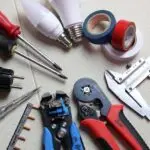
- Actual samples of electrical cables (PVC, armoured), conduits (PVC, metallic), switches, sockets, distribution board components (circuit breakers, fuses), junction boxes.
- Charts or diagrams illustrating different wiring systems.
- Copies or excerpts of IEE regulations handbook.
- Chalkboard/Whiteboard and markers.
Rationale for the Lesson
This lesson helps pupils understand the essential materials and standards required for safe and effective electrical installations in buildings. It enables them to identify correct components and appreciate the importance of regulations to prevent electrical hazards in daily life.
Prerequisite/Previous Knowledge
Pupils should have basic knowledge of electricity, simple circuits, and common building materials.
Lesson Content/Board Summary
TYPES OF ELECTRICAL WIRING MATERIALS
Meaning of Electrical Wiring Materials
Electrical wiring materials are components used in the installation of electrical systems in buildings. These materials are essential for safely distributing electricity from the supply source to various points where it is consumed, such as lights, sockets, and appliances.
IEE Regulations (Institute of Electrical Engineers Regulations)
IEE Regulations are a set of rules and standards for electrical installations, primarily aimed at ensuring the safety of people and property from electrical hazards. Adherence to these regulations is mandatory for all electrical installations to prevent accidents like electric shock, fire, and equipment damage.
Key aspects of IEE regulations include:
- Ensuring proper earthing and bonding.
- Protecting against overcurrent (using fuses, circuit breakers).
- Providing adequate insulation for conductors.
- Selecting appropriate cable sizes and types for specific loads.
- Ensuring proper installation methods and clearances.
Identification of Electrical Wiring Materials
The following are common electrical wiring materials:
- Cables: Conductors (copper or aluminium) insulated with PVC or other materials, used to carry current. Examples include PVC insulated cables, armoured cables.
- Conduits: Protective tubes (PVC or metallic) used to house and protect electrical cables from mechanical damage, moisture, and chemicals.
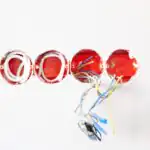
- Conduit Accessories: Bends, elbows, tees, inspection boxes, saddles, and clips used for routing and securing conduits.
- Switches: Devices used to make or break an electrical circuit, controlling the flow of current to a load (e.g., light).
- Sockets (Receptacles): Outlets where electrical appliances are plugged in to draw power.
- Distribution Boards (DBs): Enclosures that house circuit breakers, fuses, and other protective devices for distributing electrical power to various circuits.
- Circuit Breakers/Fuses: Safety devices that automatically cut off power to a circuit when an overcurrent or short circuit occurs, preventing damage and fire.
- Junction Boxes: Enclosures where electrical connections are made and protected.
- Earthing Materials: Earth electrodes, earth wires, and clamps used to provide a safe path for fault currents to the ground.
Uses of Electrical Wiring Materials
- Cables: Transmit electrical energy from the source to various points of use.
- Conduits: Protect cables from physical damage, provide mechanical strength, and allow for future cable replacement.
- Switches: Control the ON/OFF state of electrical loads.
- Sockets: Provide connection points for portable electrical appliances.
- Distribution Boards: Centralize power distribution and provide circuit protection.
- Circuit Breakers/Fuses: Automatically disconnect power during faults to ensure safety.
- Junction Boxes: Safely enclose and protect cable joints.
- Earthing Materials: Safeguard against electric shock by providing a low-resistance path for fault currents to the earth.
Types of Electrical Wiring Systems
Electrical wiring systems are methods used to install electrical cables and components within a building. Common types include:
- Conduit Wiring: Cables are run inside protective conduits (PVC or metallic) embedded in walls or run on the surface. This offers excellent protection and a neat appearance.
- Surface Wiring (Cleat Wiring): Cables are run on the surface of walls or ceilings, supported by cleats. It is simple to install but offers less protection and is not always aesthetically pleasing.
- Casing and Capping Wiring: Cables are run inside wooden or plastic casing with a capping cover. This offers better protection than cleat wiring but is less robust than conduit wiring.
- Batten Wiring: Cables are run on wooden battens fixed to walls or ceilings, secured with clips.
Teaching Methods/Instructional Techniques
Discussion, Lecture, Demonstration, Question and Answer, Visual Aids
Instructional Procedures
Step 1: Introduction
Time: 5 minutes
Teaching Skill: Set Induction
Teacher’s Activity: The teacher greets the pupils and introduces the topic by asking pupils about the importance of electricity in their homes and how it reaches various points.
Pupils’ Activity: Pupils respond to the teacher’s questions and state the importance of electricity.
Learning Point: Pupils are prepared for the lesson and understand its relevance.
Step 2: Explanation of Electrical Wiring Materials
Time: 7 minutes
Teaching Skill: Explanation/Definition
Teacher’s Activity: The teacher defines electrical wiring materials and explains their general purpose in electrical installations.
Pupils’ Activity: Pupils listen attentively and take notes.
Learning Point: Pupils understand the basic concept of electrical wiring materials.
Step 3: Discussion on IEE Regulations
Time: 8 minutes
Teaching Skill: Explanatory/Interactive
Teacher’s Activity: The teacher explains what IEE regulations are, states their purpose, and highlights key aspects of these regulations using a chart or handbook excerpt.
Pupils’ Activity: Pupils listen, ask questions for clarification, and state the purpose of IEE regulations.
Learning Point: Pupils understand the importance of safety standards in electrical work.
Step 4: Identification and Uses of Materials
Time: 10 minutes
Teaching Skill: Demonstration/Identification
Teacher’s Activity: The teacher identifies various electrical wiring materials using actual samples (cables, conduits, switches, sockets) and explains the specific use of each material.
Pupils’ Activity: Pupils observe the materials, identify them, and explain their uses as demonstrated by the teacher.
Learning Point: Pupils can identify common electrical wiring materials and know their functions.
Step 5: Types of Electrical Wiring Systems
Time: 5 minutes
Teaching Skill: Classification/Explanation
Teacher’s Activity: The teacher explains different types of electrical wiring systems, focusing on conduit wiring and mentioning others like surface wiring.
Pupils’ Activity: Pupils listen and identify various types of electrical wiring systems.
Learning Point: Pupils can differentiate between various wiring methods.
Step 6: Practical Demonstration/Visual Aid
Time: 5 minutes
Teaching Skill: Demonstration/Visualisation
Teacher’s Activity: The teacher shows students different types of material used for conduit wiring and may use diagrams to illustrate how cables are run within conduits.
Pupils’ Activity: Pupils observe the materials and diagrams, asking questions for clarity.
Learning Point: Pupils gain a clearer visual understanding of conduit wiring components and installation.
Step 7: Evaluation/Review
Time: 5 minutes
Teaching Skill: Questioning/Assessment
Teacher’s Activity: The teacher evaluates the learning by asking the following questions:
- Define electrical wiring materials.
- State any three IEE regulations you know.
- List four common electrical wiring materials.
- Explain the use of a circuit breaker in an electrical installation.
- Mention two types of electrical wiring systems.
Pupils’ Activity: Pupils answer orally and in writing.
Learning Point: Pupils demonstrate understanding of the lesson.
Step 8: Conclusion
Time: < 1 minute
Teaching Skill: Summarization
Teacher’s Activity: The teacher summarizes the lesson by reiterating the importance of selecting correct materials and adhering to IEE regulations for safe electrical installations.
Pupils’ Activity: Pupils listen and note the key takeaways.
Learning Point: Pupils consolidate their learning.
Lesson Keywords
- Cables – Insulated conductors for carrying electricity.
- Conduits – Protective tubes for electrical wiring.
- IEE Regulations – Standards for safe electrical installations.
- Switches – Devices to control electric circuits.
- Circuit Breaker – Automatic safety device to protect circuits.
- Conduit Wiring – Wiring system where cables are run inside conduits.
Differentiation
For pupils who grasp concepts quickly, the teacher will encourage them to research specific IEE regulation numbers and their detailed applications. For pupils needing more support, the teacher will provide simplified diagrams and additional one-on-one explanations of material identification and uses.
Note for teachers using this lesson plan
Ensure actual samples of electrical materials are available for pupils to touch and examine, as this greatly enhances understanding. Emphasize the safety aspects of electrical work and the critical role of IEE regulations. Encourage pupils to ask questions about practical applications and common household electrical issues.

Community Join the conversation Open discussion +