

Class: Primary Four
Term: First term
subject: Pre-vocational Studies
curriculum Theme: Home Economics
Previous Lesson: Uses Of Cosmetics And Deodorants in Personal Grooming And Use Of Cosmetics
Topic: Personal Grooming and Use of Cosmetics
Content/Learning Area: What are Cosmetics?,Effects of Some Chemicals Used in Cosmetics,Reasons for Daily Care of the Body
Time Allocation: 40 minutes
Performance Objectives
By the end of the lesson,pupils should be able to:
- Cognitive Domain:
1. Mention two effects of chemicals used in cosmetics.
2. State two reasons for taking care of the body.
- Psychomotor Domain:
1. Demonstrate how to take care of their body.
- Affective Domain:
1. Appreciate the importance of personal grooming.
- Social Domain:
1. Interact positively with peers by maintaining cleanliness.
Reference Materials
- 9 – Years Basic Education Curriculum
- Abuja Educational resource Center Scheme of Work
- NAPPS National Unified Scheme of Work
- Relevant Textbooks
Instructional Materials
To deliver this lesson, the teacher will employ the help of the following materials:
- Whiteboard or chart
- Markers or chalk
- Pictures or illustrations of personal grooming and cosmetics
Rationale for the Lesson
This lesson is crucial for teaching pupils about hygiene and self-care, promoting healthy habits and boosting self-esteem. These skills are essential for their well-being and future success.
Prerequisite/Previous Knowledge
The teacher will start by asking pupils about their daily routines, prompting discussion on activities related to personal cleanliness and appearance. This will smoothly transition into the lesson’s topic.
Lesson Content
What are Cosmetics?
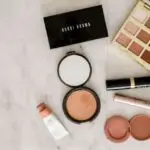
cosmetics are products used to improve one’s appearance. They are:
- Skincare products: Cleansers, toners, moisturizers, and sunscreens protect and care for the skin. Examples include face wash, body lotion, and sunscreen.
- Makeup: Foundation, powder, blush, eyeshadow, eyeliner, mascara, and lipstick enhance facial features. Examples include lip gloss, concealer, and eye shadow palettes.
- Hair care products: Shampoos, conditioners, styling gels, and hairspray style and protect hair. Examples include hair wax, hairspray, and hair oil.
effects of Some Chemicals Used in Cosmetics
Chemicals in cosmetics can have both positive and negative effects on the body. These include:
- Skin irritation: Some chemicals cause redness, itching, or discomfort. Examples include rashes,burning sensations,and dryness.
- Allergic reactions: Certain chemicals can trigger swelling, rashes, or hives. Examples include eczema, contact dermatitis, and angioedema.
- Long-term health concerns: Prolonged exposure to some chemicals may have long-term health effects. Examples include hormonal imbalances, respiratory issues, and increased risk of certain cancers.
Reasons for Daily Care of the Body
Daily body care is important for several reasons. They are:
- Hygiene: Prevents dirt, bacteria, and odor.
- Health maintenance: Reduces infection risk.
- confidence and self-esteem: Improves appearance and boosts confidence.
- Prevention of skin issues: Prevents acne, dryness, and irritation.
- Social interaction: Promotes positive social interactions. Positive social interactions are important.
Teaching Methods
To deliver this lesson, the teacher will adopt the following methods: Discussion, Presentation, Question and Answer
Instructional Procedures
To deliver this lesson, the teacher will adopt the following steps:
Step 1: Introduction
Time: 5 minutes
Teaching Skill: Set Induction
Teacher’s Activity: Ask pupils about their daily routines, focusing on hygiene practices.
Pupils’ Activity: Respond to the teacher’s questions, sharing their experiences.
Step 2: Description of Key Concepts
Time: 10 minutes
teaching Skill: Explaining
Teacher’s Activity: Explain the meaning of personal grooming and cosmetics, using examples.
Pupils’ Activity: Listen attentively and ask clarifying questions.
Step 3: Demonstration/Guided Practice
Time: 10 minutes
Teaching Skill: demonstrating
Teacher’s Activity: Demonstrate proper handwashing and teeth brushing techniques.
Pupils’ Activity: Observe the demonstration and practice the techniques under guidance.
Step 4: Independent Practice
Time: 5 minutes
teaching Skill: Monitoring
Teacher’s Activity: Supervise pupils as they practice personal grooming habits.
Pupils’ Activity: Independently practice handwashing and teeth brushing.
Step 5: Note-Taking
Time: 5 minutes
Teaching Skill: Note-taking
teacher’s Activity: Guide pupils in taking notes on key concepts.
Pupils’ Activity: Write down crucial points from the lesson.
step 6: Evaluation/Review
time: 5 minutes
Teaching Skill: Questioning
Teacher’s Activity: Ask review questions to assess understanding.
Pupils’ activity: Answer the review questions.
Objective-aligned checks:
- Mention two effects of chemicals used in cosmetics.
- State two reasons for taking care of the body.
- Demonstrate how to take care of their body.
Step 7: Conclusion
Time: 5 minutes
Teaching Skill: Summarizing
Teacher’s Activity: Summarize the key points and emphasize the importance of daily personal grooming for health and well-being. Assign a short homework activity, such as drawing pictures illustrating good hygiene practices.
Pupils’ Activity: Listen to the summary and note the homework assignment.
Lesson Keywords
- Cosmetics – products used to improve one’s appearance.
- Personal Grooming – Practices to maintain cleanliness and appearance.
- Hygiene – Practices that promote health and prevent disease.
- Skin Irritation – Redness, itching, or discomfort of the skin.
- Allergic Reactions – Adverse responses to certain substances.
Lesson Evaluation
To evaluate the learning, the teacher asks pupils to:
- Name one type of cosmetic product.
- Why is daily body care important?
- What are two benefits of good personal hygiene?
- What are some examples of skincare products?
- What are some examples of makeup products?
Assignment/Homework
- Draw pictures illustrating good hygiene practices.
- List three cosmetic products used at home and their purposes.
- Write down two reasons why personal grooming is important.
Differentiation
- For slower learners: Provide one-on-one assistance and simplified explanations.
- For advanced learners: Encourage further research on specific cosmetic ingredients and their effects.
- For visual/auditory/kinesthetic learners: use visual aids, verbal explanations, and hands-on activities to cater to different learning styles.
Note for Teachers
Ensure to use real-life examples and demonstrations to make the lesson engaging and relatable for the pupils.Emphasize the importance of using safe and appropriate cosmetic products.

Community Join the conversation Open discussion +