

Class: Junior Secondary School 1 (JSS1, JSS 1)
Term: 2nd Term
Week: 3
Age: 12 years
Duration: 45 minutes
Subject: Pre-Vocational Studies
Curriculum Theme: Home Economics
Previous Lesson: Production and Use of Homemade Cleaning Agents and Polishes
Topic: Deodorants And Cosmetics
subject Matter: Types of cosmetics, Materials and tools for making cosmetics, eg pomades, creams and deodorants
Specific Objectives
By the end of the lesson, pupils should be able to:
- Cognitive Domain:
(a) Identify the different types of cosmetics and deodorants.
(b) List the materials and tools required for making basic cosmetics. - Affective Domain:
(a) Appreciate the role of personal grooming in daily life.
(b) Develop a positive attitude towards safe cosmetic practices. - Psychomotor Domain:
(a) Demonstrate the process of preparing simple cosmetics like pomades and creams. - Social Domain:
(a) Work collaboratively in groups to make cosmetic products safely.
Reference Materials
The following resources were used in planning this lesson:
- 9 Years Basic Education Curriculum
- Lagos State Unified Scheme of work for Junior Secondary Schools
- Wikipedia – Cosmetics
- Relevant Textbooks
Instructional Materials
The teacher will teach this lesson with the aid of:
- Samples of commercial deodorants, creams, and pomades
- Measuring cups and spoons
- Bowls, spatulas, and mixing sticks
- Charts showing types of cosmetics
- Whiteboard and markers
- Short demonstration videos on cosmetic preparation
Rationale for the Lesson
This lesson enables pupils to understand cosmetic types, their preparation, and materials required, fostering self-care skills and creativity.
Prerequisite/Previous Knowledge
Pupils have basic knowledge of personal hygiene, daily grooming habits, and exposure to common cosmetic products at home or school.
Lesson Content/Board Summary
Deodorants and Cosmetics
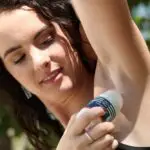
Cosmetics are products used to enhance appearance, while deodorants are applied to reduce body odor. They improve personal grooming and confidence.
Types of Cosmetics
Cosmetics include various products designed for skin, hair, and appearance enhancement.
The following are the types of cosmetics:
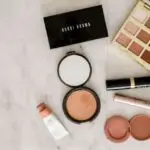
- Creams – used for moisturizing and protecting the skin.
- Pomades – used for hair styling and conditioning.
- Lipsticks – used to color and enhance lips.
- Face powders – used to smooth and even skin tone.
- Perfumes – used to provide a pleasant fragrance.
Materials and Tools for Making Cosmetics
Creating simple cosmetics requires specific materials and tools to ensure safety and effectiveness.
These include:
- Oils – like coconut, almond, or mineral oil for base and moisturizing properties.
- Beeswax – used as a thickener for creams and pomades.
- Fragrances – essential oils or artificial scents for smell.
- Containers – jars, tubes, or bottles for storing products.
- Mixing tools – spatulas, spoons, and bowls for preparation.
- Measuring tools – cups, spoons, or digital scales for accuracy.
Importance of Cosmetics and Deodorants
Cosmetics and deodorants contribute to hygiene, confidence, and social acceptance.
The following are their importance:
- Promote personal hygiene and reduce body odor.
- Protect skin and hair from dryness and damage.
- Enhance appearance and boost self-confidence.
- Encourage creativity and practical skills in preparation.
- Provide potential small-scale business opportunities.
Teaching Methods/Instructional Techniques:
Discussion, Lecture, Demonstration, Group Work, Visual Aids, Practical Exercises
Instructional Procedures
To deliver this lesson, the teacher will adopt the following steps:
Step 1: Introduction
Time: 5 minutes
Teaching Skill: Set Induction
Teacher’s Activity: Teacher asks pupils to name cosmetics they use at home and relates them to personal hygiene and grooming.
Pupils’ Activity: Pupils respond by sharing names and experiences of cosmetic use.
Learning Point: Pupils recall prior knowledge of cosmetics and personal hygiene.
Step 2: Types of Cosmetics
Time: 10 minutes
Teaching Skill: Explanation
Teacher’s Activity: Teacher presents charts and explains the different types of cosmetics and their uses.
Pupils’ Activity: Pupils listen and take notes while observing the samples.
Learning Point: Pupils understand the different cosmetic types and their purposes.
Step 3: Materials and Tools for Making Cosmetics
Time: 10 minutes
Teaching Skill: Demonstration
Teacher’s Activity: Teacher shows the materials and tools needed to make creams, pomades, and deodorants and explains their functions.
Pupils’ Activity: Pupils identify and handle the materials and tools safely.
Learning Point: Pupils recognize the materials and tools necessary for cosmetic production.
Step 4: Demonstration of Making Simple Cosmetics
Time: 10 minutes
Teaching Skill: Practical Demonstration
Teacher’s Activity: Teacher demonstrates making a basic pomade or cream using safe procedures.
Pupils’ Activity: Pupils observe carefully and note the steps.
Learning Point: Pupils can understand practical preparation techniques for simple cosmetics.
Step 5: Note-Taking
Time: 5 minutes
Teaching Skill: Explanation
Teacher’s Activity: Teacher summarizes the key points on the board for pupils to copy.
Pupils’ Activity: Pupils write notes neatly in their exercise books.
Learning Point: Pupils have a complete written reference for future study.
Step 6: Evaluation/Review
Time: 3 minutes
Teaching Skill: Questioning
Teacher’s Activity: The teacher evaluates the learning by asking the following questions:
- Name three types of cosmetics.
- List four materials used in making cosmetics.
- Mention two importance of deodorants and cosmetics.
Pupils’ Activity: Pupils answer orally or write short responses.
Learning Point: Pupils demonstrate comprehension of lesson objectives.
Step 7: Conclusion
Time: 2 minutes
Teaching Skill: Reinforcement
Teacher’s Activity: Teacher recaps the main points and advises pupils to practice safe use of cosmetics at home.
Pupils’ Activity: Pupils listen and ask questions if necessary.
Learning Point: Pupils appreciate the importance of cosmetics in personal grooming and daily life.
Home Task: List four lesson examples connected with Deodorants And Cosmetics and add one correct use, step or safety rule.
Lesson Keywords
- Cosmetics – products used to enhance appearance
- Deodorants – products used to prevent body odor
- Pomades – hair styling and conditioning products
- Creams – moisturizing and skin-protecting products
- Fragrances – substances added to provide pleasant smell
Differentiation
Provide step-by-step guidance for slow learners and allow advanced pupils to lead group practical sessions and demonstrations.
Note for teachers using this lesson plan
Ensure pupils handle tools and materials safely. Encourage creativity and maintain hygiene during practical demonstrations. Reinforce understanding with visual aids.
Community Join the conversation Open discussion +