

Class: Primary One
Term: First Term
Subject: National Values Education
Curriculum Theme: Social Studies
previous Lesson:
Topic: Culture
Content/Learning Area: Meaning of culture, Components of culture (Beliefs, Customs, Traditions, Values), Examples of Culture
Time allocation: 40 minutes
Performance Objectives
By the end of the lesson, pupils should be able too:
- Cognitive Domain:
1. explain the meaning of culture.
2. Identify the components of culture (beliefs, customs, traditions, values).
3. Give examples of cultural practices.
- Affective Domain:
1. Show respect for diverse cultures.2. Appreciate the richness and variety of cultures.
- Psychomotor Domain:
1. Actively participate in class discussions about culture.
- Social Domain:
1. Work collaboratively with peers in group activities.
Reference Materials
- 9 – Years Basic Education Curriculum
- Abuja Educational resource Center Scheme of Work
- NAPPS National Unified Scheme of Work
- Online Details
- Relevant Textbooks
Instructional Materials
To deliver this lesson, the teacher will use the following materials:
- Whiteboard or chart paper
- Markers or crayons
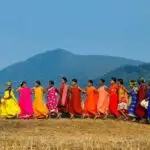
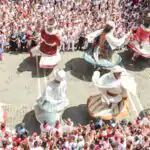
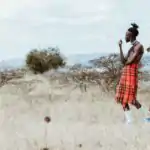
- Pictures depicting various cultural practices
Rationale for the lesson
Understanding culture promotes tolerance, respect, and empathy towards others. This lesson lays the foundation for future learning about diverse societies and global citizenship.
Prerequisite/Previous Knowledge
Pupils are familiar with the concept of family and community.
Lesson Content
What is Culture?
Culture is the way of life of a group of people. It includes their beliefs, customs, traditions, and values. It’s what makes each group unique.
Some of the Things That Make up Culture
Culture is made up of several components that define a group of people. These components include:
beliefs
Beliefs are the convictions and principles that people hold to be true. These include:
- Religious beliefs: Faith-based convictions that guide spiritual practices.
- Superstitions: Traditional beliefs often based on fear or the unkown.
- Moral principles: Ideas about what is right and wrong that influence behavior.
- Philosophical beliefs: Ideas about the meaning of life and existence.
Customs
Customs are the established and traditional ways of doing things in a particular society or community. These include:
- Celebrating holidays: Specific ways of observing festive occasions.
- Eating specific foods: Traditional dishes prepared and consumed during certain times.
- Greetings: Specific ways of exchanging pleasantries.
- dress codes: Traditional clothing worn for specific events or daily life.
Traditions
Traditions are customs or beliefs passed down from generation to generation. These include:
- Stories: Narratives that convey cultural values and history.
- songs: Melodies and lyrics that express cultural identity and emotions.
- Dances: Rhythmic movements that celebrate cultural events and stories.
- Festivals: Celebrations that mark important cultural or past events.
Values
Values are the principles or standards of behavior that people consider critically important. These include:
- Honesty: being truthful and sincere in words and actions.
- kindness: Showing compassion and empathy towards others.
- Respect: Treating others with consideration and valuing their worth.
- integrity: Adhering to moral and ethical principles in all aspects of life.
Examples of Culture
Culture is expressed in various forms around the world. Examples are:
- Language: The system of dialog used by a particular community.
- Clothing: Traditional attire worn by people in different regions.
- Food: Unique dishes and culinary practices specific to a culture.
- Holidays: Celebrations and festivals that commemorate critically important events.
- Music: Traditional songs and musical styles that reflect cultural identity.
- Art: Visual and performing arts that express cultural values and beliefs.
- Architecture: Styles of building and design that are characteristic of a culture.
- Social customs: Practices and behaviors that are considered polite or appropriate in a particular culture.
Teaching Methods
To deliver this lesson, the teacher will adopt the following methods: Discussion, Question and answer, Use of visual aids.
Instructional Procedures
To deliver this lesson, the teacher will adopt the following steps:
Step 1: Introduction
Time: 5 minutes
Teaching Skill: Set Induction
Teacher’s Activity: Asks pupils to share unique aspects of their families or homes.
Pupils’ Activity: Share their experiences and observations.
Step 2: Description of Key Concepts
Time: 10 minutes
Teaching Skill: Explaining
Teacher’s Activity: Defines culture and explains its components (beliefs, customs, traditions, values).Pupils’ Activity: Listen attentively and ask clarifying questions.
Step 3: Presentation/Guided Practice
Time: 10 minutes
Teaching Skill: Modeling
Teacher’s Activity: Shows pictures of different cultural practices and explains them.
Pupils’ Activity: Observe and participate in discussions.
Step 4: Independent Practice
Time: 5 minutes
Teaching Skill: Monitoring
teacher’s Activity: Guides pupils in completing a short worksheet with questions about culture.
Pupils’ Activity: Complete the worksheet individually.
Step 5: Note-Taking
Time: 5 minutes
Teaching Skill: Summarizing
Teacher’s Activity: summarizes key concepts on the board.
Pupils’ Activity: Copy notes into their notebooks.
Step 6: evaluation/Review
Time: 5 minutes
Teaching Skill: Assessing
Teacher’s Activity: Reviews key concepts and answers pupils’ questions.
Pupils’ Activity: Participate in the review and ask questions.
Objective-aligned checks:
- explain the meaning of culture.
- Identify the components of culture (beliefs, customs, traditions, values).
- Show respect for diverse cultures.
Step 7: Conclusion
Time: 5 minutes
teaching Skill: Summarizing
Teacher’s activity: Concludes the lesson by reviewing the key concepts of culture and emphasizing the importance of respecting diverse cultures. Assigns a short homework activity where pupils draw or write about something that represents their own culture.
Pupils’ Activity: Listen attentively and note homework assignment.
Lesson Keywords
- Culture – The way of life of a group of people, including their beliefs, customs, traditions, and values.
- Beliefs – Things people believe in, like religion or spirituality.
- Customs – Traditions and practices people follow, such as celebrating holidays or eating specific foods.
- Traditions – Things passed down through generations, like stories, songs, or dances.
- values – Things people consider vital, like honesty, kindness, or respect.
Lesson Evaluation
To evaluate the learning, the teacher asks pupils to:
- what is culture?
- name some things that make up culture.
- What makes your culture unique?
- Why is it critically important to respect different cultures?
Assignment/Homework
- Draw or write about something that represents your own culture.
- Ask your parents or grandparents about a tradition in your family and write a short paragraph about it.
Differentiation
- For slower learners: Provide one-on-one assistance and simplified explanations.
- For advanced learners: Encourage them to research and present on a culture different from their own.
- For visual/auditory/kinesthetic learners: Use visual aids, discussions, and hands-on activities to cater to different learning styles.
Note for Teachers
Ensure to use real-life examples and visual aids to make the lesson engaging and relatable for primary one pupils. Encourage active participation and create a respectful environment for sharing diverse cultural experiences.
Community Join the conversation Open discussion +