

Class: Primary One
Term: First Term
Subject: pre-vocational Studies
Curriculum Theme: Agricultural Science
Previous Lesson: Uses of Water
topic: Food
Content/Learning area: What is Food?, Why Do We Need Food?
Time Allocation: 40 minutes
Performance objectives
By the end of the lesson, pupils should be able to:
- Cognitive Domain:
1. Define food.2. explain the importance of food.
3. Identify different types of food.
- Psychomotor Domain:
1. list examples of different food groups.
- Affective Domain:
1. Appreciate the importance of eating a balanced diet.
- Social Domain:
1.Discuss the importance of food with peers.
Reference Materials
- 9 – years Basic Education Curriculum
- Abuja Educational Resource Center Scheme of Work
- NAPPS National Unified Scheme of Work
- Relevant Textbooks
Instructional Materials
To deliver this lesson, the teacher will use the following materials:
- Whiteboard or chart paper
- Markers or crayons
- Pictures of different types of food
Rationale for the Lesson
Understanding the importance of food is crucial for pupils’ health and well-being. This lesson lays the foundation for future lessons on nutrition and healthy eating habits.
Prerequisite/Previous Knowledge
The teacher will start by asking pupils what they ate for breakfast. This will lead into a discussion about the different types of food they know.
Lesson Content
What is Food?
Food is anything we eat to stay healthy and strong. It gives our bodies energy and nutrients to grow, move, and work properly.
Food comes in various forms, each offering unique nutrients essential for our well-being.
Types of Food
These include:
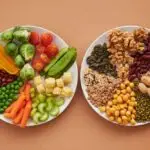
- Fruits: Apples, bananas, oranges, strawberries, mangoes, pawpaw, etc.
- Vegetables: Carrots, broccoli, spinach, lettuce, tomatoes, peppers, etc.
- Grains: Bread, rice, pasta, yam, maize, etc.
- Proteins: Meat, fish, eggs, beans, groundnuts, etc.
- dairy: Milk, cheese, yogurt, Wara, etc.
Why Do We Need Food?
Food is essential for several reasons, contributing to our overall health and well-being.
These include:
- Energy: Food gives us energy to do things like walking, running, and playing.
- Growth and advancement: Food helps us grow bigger and stronger.
- Repair and Maintenance: Food helps our bodies repair themselves and stay healthy.
- Protection from Disease: Food helps us fight off sickness.
teaching Methods
To deliver this lesson, the teacher will adopt the following methods: Discussion, Question and answer, Visual aids
Instructional Procedures
To deliver this lesson, the teacher will adopt the following steps:
Step 1: Introduction (Set Induction)
Time: 5 minutes
Teaching Skill: Questioning
Teacher’s Activity: Asks pupils what they ate for breakfast and initiates a discussion about food.
Pupils’ Activity: Respond to the teacher’s questions and participate in the discussion.
Step 2: Clarification of Key Concepts
Time: 15 minutes
Teaching Skill: Description
Teacher’s Activity: Explains the definition of food and its importance.
Pupils’ Activity: Listen attentively and ask clarifying questions.
Step 3: Demonstration/Guided Practice
Time: 10 minutes
Teaching Skill: Demonstration
Teacher’s Activity: Shows pictures of different types of food and categorizes them into food groups.
Pupils’ Activity: Identify and name the different types of food shown.
Step 4: Autonomous Practice
Time: 5 minutes
Teaching Skill: Guided Practice
Teacher’s Activity: Asks pupils to list examples of different food groups.
Pupils’ Activity: List examples of different food groups.
Step 5: Note-Taking
Time: 2 minutes
Teaching Skill: Note-Taking
Teacher’s Activity: Guides pupils in taking notes on key concepts.
Pupils’ Activity: Take notes on key concepts.
Step 6: Evaluation/Review
Time: 3 minutes
Teaching Skill: Questioning
Teacher’s Activity: Asks review questions to assess understanding.
Pupils’ Activity: Answer review questions.
Objective-aligned checks:
- explain the importance of food.
- Identify different types of food.
- list examples of different food groups.
Step 7: Conclusion
time: 2 minutes
Teaching Skill: Summarizing
Teacher’s Activity: Summarizes the key points and encourages pupils to eat a variety of healthy foods.
Pupils’ Activity: Listen attentively.
Lesson Keywords
- Food – Anything we eat to stay healthy and strong.
- Energy – The power to do things.
- Nutrients – Substances in food that help us grow and stay healthy.
- Growth – The process of becoming bigger and stronger.
Lesson Evaluation
To evaluate the learning, the teacher asks pupils to:
- What is food?
- Why do we need food?
- Name three examples of fruits.
- Name three examples of vegetables.
Assignment/Homework
- List five different types of food you ate yesterday.
- Draw pictures of your favourite fruits and vegetables.
Differentiation
- For slower learners: Provide one-on-one assistance and simplified explanations.
- For advanced learners: Encourage them to research and present information on specific food groups.
- For visual/auditory/kinesthetic learners: Use visual aids, verbal explanations, and hands-on activities to cater to different learning styles.
Note for Teachers
Ensure to use real-life examples and visual aids to make the lesson engaging and relatable for the pupils. Encourage active participation and provide positive reinforcement.

Community Join the conversation Open discussion +