

Class: Primary One
Term: Third Term
Subject: Basic Science and Technology
Curriculum Theme: Computer Studies
Previous Lesson: Uses of Radio
Topic: Common I.T Devices – Organizer
Content/Learning Area: Identify an organizer, List 2 uses of an organizer
Time Allocation: 40 minutes
Performance Objectives
By the end of the lesson, pupils should be able to:
- Cognitive Domain:
1. Identify an organizer.
2. List at least two uses of an organizer.
3. Explain the importance of using an organizer.
- Psychomotor Domain:
1. Use an organizer to create a simple to-do list.
- Affective Domain:
1. Appreciate the value of institution in daily life.
- Social Domain:
1. Share their understanding of organizers with classmates.
Reference materials
- 9 – Years Basic Education Curriculum
- Abuja Educational Resource Center Scheme of Work
- NAPPS National Unified Scheme of work
- relevant Textbooks
Instructional Materials
To deliver this lesson, the teacher will employ the help of the following materials:
- Whiteboard or chart paper
- Markers or crayons
- Examples of organizers (e.g., a planner, a to-do list app on a tablet)
Rationale for the lesson
This lesson introduces organizers, essential for time management and organization. Understanding and using organizers will benefit pupils in their studies and daily lives, fostering better habits for future success.
Prerequisite/Previous Knowledge
Pupils are familiar with daily routines and tasks.
Lesson Content
Common I.T Devices – Organizer
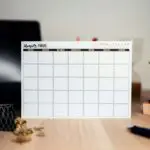
An organizer is a helpful tool that keeps us organized and manages our time well. It sets reminders, tracks vital events or tasks, and keeps our daily activities structured.
Uses of an Organizer
An organizer helps to manage time and tasks efficiently. The following are some uses of an organizer:
- Setting reminders for critically important events or tasks.
- Keeping track of appointments, deadlines, and other important dates.
- Organizing thoughts and ideas for projects or assignments.
- Managing time effectively by scheduling activities and prioritizing tasks.
- Creating to-do lists and tracking progress.
- storing contact information and other important details.
- Helping us stay on top of responsibilities and commitments.
- Planning events and activities, such as parties or trips.
- Tracking expenses and budgets.
- monitoring health and fitness goals.
Teaching Methods
To deliver this lesson, the teacher will adopt the following methods: Discussion, Presentation, and Practical Activity.
Instructional Procedures
To deliver this lesson, the teacher will adopt the following steps:
Step 1: Introduction (Set Induction)
time: 5 minutes
Teaching Skill: Questioning, Discussion
Teacher’s Activity: Asks pupils about their daily routines and how they remember tasks.
Pupils’ Activity: Share their experiences and methods.
Step 2: Explanation of Key Concepts
time: 10 minutes
Teaching Skill: Explanation, Definition
Teacher’s Activity: Defines and explains what an organizer is and its purpose.
Pupils’ Activity: Listen attentively and ask clarifying questions.
Step 3: Demonstration/Guided Practice
Time: 10 minutes
Teaching Skill: Demonstration, Modeling
Teacher’s Activity: Demonstrates how to use an organizer (e.g., creating a simple to-do list).
Pupils’ Activity: Observe the demonstration and participate in guided practice.
Step 4: Self-reliant Practice
time: 5 minutes
Teaching Skill: Monitoring, Feedback
Teacher’s Activity: Guides pupils as they create their own simple to-do lists.
pupils’ Activity: Create their own to-do lists using the organizer.
Step 5: note-taking
Time: 5 minutes
Teaching Skill: Note-taking, Summarizing
Teacher’s Activity: Summarizes key points and encourages pupils to take notes.
Pupils’ Activity: Take notes on the key concepts and uses of organizers.
Step 6: Evaluation/Review
Time: 5 minutes
Teaching Skill: Questioning, feedback
Teacher’s Activity: Asks evaluation questions to assess understanding.
Pupils’ Activity: Answer the evaluation questions.
Objective-aligned checks:
- Identify an organizer.
- List at least two uses of an organizer.
- Explain the importance of using an organizer.
Step 7: Conclusion
Time: 5 minutes
Teaching Skill: Summarizing, Encouragement
teacher’s Activity: Reviews the key concepts and uses of organizers, emphasizing their importance in daily life.
Pupils’ Activity: Listen and ask any remaining questions.
Lesson Keywords
- Organizer – A tool that helps manage time and tasks efficiently.
- To-do list – A list of tasks that need to be completed.
- Reminders – Notifications that help remember important events or tasks.
- Time Management – The practice of using time effectively and productively.
- Scheduling – Planning activities and tasks for specific times.
Lesson Evaluation
To evaluate the learning, the teacher asks pupils to:
- What is an organizer?
- Name two uses of an organizer.
- Why is using an organizer critically important?
- Give an example of how you can use an organizer in your daily life.
- What are some different types of organizers?
Assignment/Homework
- Create a simple to-do list for the next day using an organizer.
- Ask your parents or guardians how they use organizers in their daily lives and write down their responses.
- Draw a picture of your favorite type of organizer and label its parts.
Differentiation
- For slower learners: Provide one-on-one assistance and simplified instructions.
- For advanced learners: Encourage them to explore different types of organizers and their features.
- For visual/auditory/kinesthetic learners: Use visual aids, verbal explanations, and hands-on activities to cater to different learning styles.
Note for Teachers
Ensure to provide real-life examples of organizers and their uses to make the lesson more relatable and engaging for the pupils. Encourage pupils to share their own experiences and ideas related to organization and time management.



Community Join the conversation Open discussion +