

Class: Junior Secondary School 1 (JSS 1 / JS1)
Term: 3rd Term
Week: 3
Age: 12 years
Duration: 45 minutes
Subject: Pre-Vocational Studies
Curriculum Theme: Home Economics
Previous Lesson: Healthy Feeding and Eating Practices, 1, Effect of Healthy Eating Habit E.g. Stomach Ache.
Topic: HEALTHY FEEDING AND EATING PRACTICES III
Subject Matter: Food additives: uses and misuses and detection; Food contaminants; Harmful substances that should not be consumed e.g. banned additive, spoilt fruits, under-cooked food.
Specific Objectives
By the end of the lesson, pupils should be able to:
Cognitive Domain:
- Explain what food additives are.
- Identify different uses and misuses of food additives.
- Define food contaminants and give examples.
- List harmful substances that should not be consumed.
Affective Domain:
- Appreciate the importance of consuming safe and healthy food.
- Develop a cautious attitude towards processed foods and unknown substances.
- Show willingness to avoid harmful food substances.
Psychomotor Domain:
- Detect signs of spoilt food.
- Identify banned additives by reading food labels (from examples/diagrams).
- Differentiate between safe and unsafe food items.
Social Domain:
- Advocate for safe food practices among peers and family.
- Participate in discussions about healthy eating habits.
Reference Materials
The following resources were used in planning this lesson:
- 9 Years Basic Education Curriculum
- State Unified Scheme of Work
- Pre-Vocational Studies for Junior Secondary Schools Book 1
- https://www.who.int/news-room/fact-sheets/detail/food-additives
- https://www.fao.org/food-safety/further-information/food-contamination/en/
Instructional Materials
The teacher will teach this lesson with the aid of:
- Pictures/diagrams of various food additives and their containers.
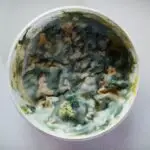
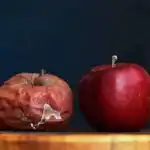
- Samples of food with visible signs of spoilage (e.g., mouldy bread, shrivelled fruit) for demonstration.
- Food labels showing ingredients.
- Chart showing examples of food contaminants.
Rationale for the Lesson
This lesson helps pupils understand what food additives and contaminants are and why it is important to avoid certain harmful substances. This knowledge enables them to make safer food choices for better health and well-being.
Prerequisite/Previous Knowledge
Pupils have basic knowledge of healthy eating and different food groups from previous lessons.
Lesson Content/Board Summary
HEALTHY FEEDING AND EATING PRACTICES III
Food Additives
Food additives are substances added to food to maintain or improve its safety, freshness, taste, texture, or appearance. They are usually added in small quantities during processing.
Uses of Food Additives
- Preservation: To prevent spoilage by microorganisms (e.g., salt, sugar, nitrates).
- Colouring: To enhance the visual appeal of food (e.g., artificial colours).
- Flavouring: To improve or restore taste (e.g., flavour enhancers, artificial flavours).
- Thickening/Stabilizing: To improve texture and consistency (e.g., gums, starches).
- Nutrient Fortification: To add vitamins and minerals to food.
Misuses of Food Additives
Misuse occurs when additives are used improperly, in excessive amounts, or when banned substances are used.
- Using banned or unauthorized additives.
- Exceeding recommended limits for permitted additives.
- Using additives to hide poor quality or spoilt food.
- Using additives that may cause allergic reactions or health issues in some individuals.
Detection of Misused/Banned Food Additives
It can be difficult to detect misused or banned additives without laboratory testing. However, some indicators might include:
- Unusual or excessively bright colours.
- Unnatural taste or smell.
- Lack of proper labelling or suspicious packaging.
- Official warnings or recalls from food safety authorities.
Food Contaminants
Food contaminants are any substances not intentionally added to food, but which are present in food as a result of the production, manufacture, processing, preparation, treatment, packing, packaging, transport, or holding of food. These can be harmful to health.
Types of food contaminants:
- Physical contaminants: Hair, dirt, plastic, glass fragments, insects.
- Chemical contaminants: Pesticides, cleaning agents, heavy metals (e.g., lead, mercury), unapproved food additives.
- Biological contaminants: Bacteria (e.g., Salmonella, E. coli), viruses, fungi (moulds producing toxins), parasites.
Harmful Substances That Should Not Be Consumed
Consuming certain substances can lead to food poisoning, illness, or long-term health problems. These include:
- Banned Additives: Additives that have been prohibited by food safety authorities due to health risks.
- Spoilt Fruits and Food: Food items showing signs of spoilage such as mould, bad smell, discolouration, or slimy texture.
- Under-cooked Food: Especially meat, poultry, and eggs, which may contain harmful bacteria if not cooked thoroughly.
- Unpasteurized Milk/Juices: These may contain harmful bacteria that are destroyed during pasteurization.
- Unwashed Vegetables and Fruits: May carry pesticide residues, dirt, or harmful microorganisms.
- Food stored improperly: Food left at unsafe temperatures for too long can grow harmful bacteria.
Teaching Methods/Instructional Techniques
Discussion, Lecture, Demonstration, Question and Answer, Visual Aids
Instructional Procedures
Step 1: Introduction
Time: 5 minutes
Teaching Skill: Set Induction
Teacher’s Activity: The teacher greets the pupils and asks them to recall what they learned about healthy eating practices in the previous lesson. The teacher then introduces the topic: Healthy Feeding and Eating Practices III, focusing on food additives, contaminants, and harmful substances.
Pupils’ Activity: Pupils respond to the teacher’s questions and listen attentively to the introduction.
Learning Point: Pupils recall previous knowledge and are introduced to the new topic.
Step 2: Explanation of Food Additives
Time: 10 minutes
Teaching Skill: Explanation/Demonstration
Teacher’s Activity: The teacher explains what food additives are, their uses (preservation, colouring, flavouring, etc.), and their misuses (using banned additives, excessive amounts). The teacher shows examples of food labels and discusses how to identify additives.
Pupils’ Activity: Pupils listen, ask questions, and examine the food labels provided by the teacher.
Learning Point: Pupils understand the definition, uses, and misuses of food additives.
Step 3: Detection of Misused/Banned Additives
Time: 5 minutes
Teaching Skill: Discussion
Teacher’s Activity: The teacher leads a discussion on how consumers can try to detect misused or banned additives, emphasizing the importance of reading labels and being wary of overly cheap or unusually coloured food items.
Pupils’ Activity: Pupils contribute to the discussion and share their ideas on detecting unsafe food.
Learning Point: Pupils learn practical ways to identify potentially harmful food items.
Step 4: Food Contaminants
Time: 10 minutes
Teaching Skill: Explanation/Illustration
Teacher’s Activity: The teacher defines food contaminants and explains the different types: physical, chemical, and biological, giving examples for each. The teacher uses charts to illustrate various contaminants.
Pupils’ Activity: Pupils listen, observe the charts, and ask questions for clarification.
Learning Point: Pupils understand what food contaminants are and their different categories.
Step 5: Harmful Substances Not to Be Consumed
Time: 10 minutes
Teaching Skill: Questioning/Demonstration
Teacher’s Activity: The teacher discusses various harmful substances that should not be consumed, such as banned additives, spoilt fruits, under-cooked food, and unwashed vegetables. The teacher uses samples of spoilt food to demonstrate.
Pupils’ Activity: Pupils identify the harmful substances discussed and observe the spoilt food samples.
Learning Point: Pupils learn to identify specific harmful food items and why they should be avoided.
Step 6: Evaluation/Review
Time: 5 minutes
Teaching Skill: Questioning/Assessment
Teacher’s Activity: The teacher evaluates the learning by asking the following questions:
- What are food additives?
- Mention two uses and two misuses of food additives.
- Explain what food contaminants are.
- List three harmful substances that should not be consumed.
Pupils’ Activity: Pupils answer orally and in writing.
Learning Point: Pupils demonstrate understanding of the lesson.
Step 7: Conclusion
Time: 5 minutes
Teaching Skill: Summarization
Teacher’s Activity: The teacher summarizes the key points of the lesson, reiterating the importance of making safe and healthy food choices. The teacher then gives pupils homework to list five ways they can ensure the food they eat at home is safe.
Pupils’ Activity: Pupils listen to the summary and copy the homework.
Learning Point: Pupils consolidate their learning and are given an assignment to reinforce understanding.
Home Task: List four lesson examples connected with HEALTHY FEEDING AND EATING PRACTICES III and add one correct use, step or safety rule.
Lesson Keywords
- Additives – Substances added to food to improve its qualities.
- Contaminants – Unintended substances in food that can cause harm.
- Spoilage – The process of food becoming unfit for consumption.
- Banned – Prohibited or forbidden.
- Under-cooked – Not cooked thoroughly enough.
Differentiation
For pupils who grasp concepts quickly, the teacher will encourage them to research specific banned food additives in Nigeria. For pupils who need more support, the teacher will provide simplified definitions and more visual aids, focusing on identifying spoilt food.
Note for teachers using this lesson plan
Teachers should ensure they have access to relevant visual aids and, if possible, real-life examples of food labels for practical demonstration. Emphasize the health implications of consuming unsafe food to make the lesson more impactful. Encourage pupils to share their observations and experiences with food safety at home.

Community Join the conversation Open discussion +