

Class: Junior Secondary School 1 (JSS1, JSS 1)
Term: 1st Term
Week: 6
Age: 12 years
Duration: 45 minutes
Subject: Pre Vocational Studies
Curriculum Theme: Home Economics
Previous Lesson: Structure, Functions and Care of the Skin
Topic: The Human Body (Part 4)
Subject Matter: Structure of the Teeth, Hands and Feet, Functions of the Teeth, Hands and Feet, Care of the Teeth, Hands and Feet
Specific Objectives
By the end of the lesson, pupils should be able to:
- Cognitive Domain:
(a) Describe the structure of the teeth, hands, and feet.
(b) State the functions of the teeth, hands, and feet.
(c) Explain the care of the teeth, hands, and feet. - Affective Domain:
(a) Appreciate the importance of good hygiene and care for the teeth, hands, and feet. - Psychomotor Domain:
(a) Demonstrate proper hand washing, teeth brushing, and foot cleaning techniques. - Social Domain:
(a) Work in groups to discuss the benefits of maintaining clean teeth, hands, and feet.
Reference Materials
The following resources were used in planning this lesson:
- 9 Years Basic Education Curriculum
- Lagos State Unified Scheme of work for Junior Secondary Schools
- Wikipedia – Human tooth
- Relevant Textbooks
Instructional Materials
The teacher will teach this lesson with the aid of:
- Charts or models of teeth, hands, and feet
- Toothbrush, toothpaste, soap, and nail cutter
- Pictures showing healthy and unhealthy teeth, hands, and feet
- Whiteboard and markers
- Short video demonstration on personal hygiene
Rationale for the Lesson
This lesson helps pupils understand the structure, functions, and proper care of the teeth, hands, and feet which are essential parts of the human body for daily living and hygiene.
Prerequisite/Previous Knowledge
Pupils are familiar with the human body from earlier lessons and already know the basic importance of personal cleanliness and hygiene in daily life.
Lesson Content/Board Summary
The Human Body
Structure of the Teeth
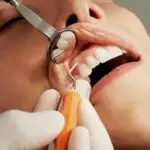
Teeth are hard, white structures in the mouth used for biting and chewing food. They are arranged in the upper and lower jaws.
The following are the types of human teeth:
- Incisors – for cutting food.
- Canines – for tearing food.
- Premolars – for grinding food.
- Molars – for crushing and chewing food.
Structure of the Hands and Feet
The hands and feet are important parts of the body made up of bones, muscles, and joints that help in movement and daily activities.
The following are the major parts of the hands and feet:
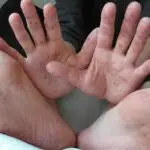
- Hands – made up of fingers, palm, wrist, and nails.
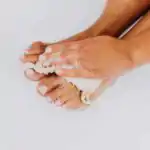
- Feet – made up of toes, soles, ankles, and nails.
Functions of the Teeth, Hands and Feet
The teeth, hands, and feet play very important roles in everyday life.
The following are the functions of the teeth:
- For biting, chewing, and grinding food.
- For helping in speech.
- For giving shape to the face.
The following are the functions of the hands:
- For writing, holding, and carrying objects.
- For eating and dressing.
- For performing daily tasks like cooking, washing, and working.
The following are the functions of the feet:
- For walking and running.
- For standing and balancing the body.
- For supporting the body’s weight.
Care of the Teeth, Hands and Feet
Good care keeps the teeth, hands, and feet clean, strong, and free from disease.
The following are the care of the teeth:
- Brush teeth twice daily with fluoride toothpaste.
- Visit the dentist regularly.
- Avoid eating too many sugary foods.
The following are the care of the hands:
- Wash hands regularly with soap and water.
- Keep nails trimmed and clean.
- Avoid biting nails and keep hands moisturized.
The following are the care of the feet:
- Wash feet daily and dry properly, especially between the toes.
- Cut toenails regularly.
- Wear clean socks and shoes.
- Avoid walking barefoot in dirty places.
Teaching Methods/Instructional Techniques:
Discussion, Lecture, Explanation, Demonstration, Group Work, Question and Answer, Visual Aids
Instructional Procedures
To deliver this lesson, the teacher will adopt the following steps:
Step 1: Introduction
Time: 5 minutes
Teaching Skill: Set Induction
Teacher’s Activity: Teacher asks pupils to show their teeth, hands, and feet, and leads a short discussion on why we use them daily.
Pupils’ Activity: Pupils respond by showing parts of their body and answering questions.
Learning Point: Pupils become interested and prepared to learn about the structure, functions, and care of the teeth, hands, and feet.
Step 2: Structure of the Teeth, Hands and Feet
Time: 10 minutes
Teaching Skill: Explanation
Teacher’s Activity: Teacher explains the structure of the teeth, hands, and feet using charts and models.
Pupils’ Activity: Pupils observe charts and models and take notes.
Learning Point: Pupils understand the arrangement and parts of teeth, hands, and feet.
Step 3: Functions of the Teeth, Hands and Feet
Time: 10 minutes
Teaching Skill: Discussion
Teacher’s Activity: Teacher explains the functions of teeth, hands, and feet with practical examples from daily life.
Pupils’ Activity: Pupils give examples of how they use their teeth, hands, and feet.
Learning Point: Pupils know the importance of teeth, hands, and feet in daily living.
Step 4: Care of the Teeth, Hands and Feet
Time: 10 minutes
Teaching Skill: Demonstration
Teacher’s Activity: Teacher demonstrates proper brushing of teeth, hand washing, and foot cleaning.
Pupils’ Activity: Pupils practice brushing, washing, and cleaning exercises.
Learning Point: Pupils learn practical hygiene steps to care for their teeth, hands, and feet.
Step 5: Note-Taking
Time: 5 minutes
Teaching Skill: Explanation
Teacher’s Activity: Teacher writes the board summary for pupils to copy.
Pupils’ Activity: Pupils copy notes into their exercise books.
Learning Point: Pupils have a record of the main points of the lesson.
Step 6: Evaluation/Review
Time: 3 minutes
Teaching Skill: Questioning
Teacher’s Activity: The teacher evaluates the learning by asking the following questions:
- Mention the four types of teeth.
- State two functions of the hands.
- List two functions of the feet.
- Give two ways of caring for the teeth, hands, and feet.
Pupils’ Activity: Pupils answer the questions orally.
Learning Point: Pupils demonstrate their understanding of the topic.
Step 7: Conclusion
Time: 2 minutes
Teaching Skill: Reinforcement
Teacher’s Activity: Teacher summarizes the lesson and encourages pupils to always care for their teeth, hands, and feet.
Pupils’ Activity: Pupils listen and ask questions where necessary.
Learning Point: Pupils appreciate the importance of caring for their teeth, hands, and feet.
Home Task: List four lesson examples connected with The Human Body (Part 4) and add one correct use, step or safety rule.
Lesson Keywords
- Teeth – hard structures in the mouth used for chewing food
- Incisors – front teeth used for cutting food
- Hands – body parts used for holding, writing, and working
- Feet – body parts used for walking and standing
- Hygiene – practice of keeping the body clean to maintain health
Differentiation
The teacher uses visual aids and demonstrations to help slower learners, while brighter pupils are encouraged to explain and demonstrate care practices to the class.
Note for teachers using this lesson plan
Encourage pupils to maintain personal hygiene daily. Use real-life demonstrations for better understanding and correct wrong practices during demonstrations.

Community Join the conversation Open discussion +