

Class: Junior Secondary School 1 (JSS1, JSS 1)
Term: 2nd Term
Week: 9
Age: 12 years
Duration: 45 minutes
Subject: Pre-Vocational Studies
Curriculum Theme: Home Economics
Previous Lesson: Types, Choice, and Practical Plan of Housing the Family
Topic: Care of the Family Houses (part 1)
Subject Matter: Resources for caring for the family house, Equipment and tools, Materials for the family house
Specific Objectives
By the end of the lesson, pupils should be able to:
- Cognitive Domain:
(a) Identify resources, equipment, and materials used in caring for the family house.
(b) Explain the uses of various cleaning tools and materials for house care. - Affective Domain:
(a) Appreciate the importance of maintaining a clean and well-kept home environment. - Psychomotor Domain:
(a) Demonstrate the correct use of some cleaning tools and materials. - Social Domain:
(a) Participate cooperatively in group activities related to cleaning and maintaining the home.
Reference Materials
The following resources were used in planning this lesson:
- 9 Years Basic Education Curriculum
- Lagos State Unified Scheme of Work for Junior Secondary Schools
- wikiHow – 19 Helpful Tips to Keep a Home Clean and Tidy
- Relevant Textbooks
Instructional Materials
The teacher will teach this lesson with the aid of:
- Pictures or charts showing home cleaning tools and materials
- Real samples of cleaning tools like broom, mop, brush, dustpan, and bucket
- Cleaning agents such as soap, detergent, and disinfectant
- Video clips or slides showing cleaning practices
- Whiteboard and markers
Rationale for the Lesson
This lesson enables pupils to understand the tools, materials, and methods needed for maintaining cleanliness and proper care of the home, which promotes health and comfort.
Prerequisite/Previous Knowledge
Pupils have seen or used some basic cleaning tools and materials at home and have participated in household cleaning activities such as sweeping or mopping.
Lesson Content/Board Summary
Care of the Family House
A family house is the place where members of a family live together. It must be properly cared for and maintained to ensure good health, safety, and comfort. Care of the family house involves cleaning, arranging, repairing, and maintaining all parts of the home regularly.
Resources for Caring for the Family House
Resources used for caring for the family house are the items and materials needed to keep the home clean and comfortable.
The following are the resources for caring for the family house:
- Human Resources – people who perform cleaning and maintenance tasks.
- Material Resources – cleaning tools, equipment, and materials.
- Financial Resources – money used to buy cleaning supplies and equipment.
- Time – the period allocated for performing house cleaning and care.
Equipment and Tools for Caring for the Family House
Cleaning equipment and tools make house cleaning easier and faster. They are designed for different parts of the home.
The following are examples of cleaning equipment and tools:
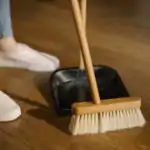
- Broom – for sweeping the floor.
- Mop – for cleaning and drying wet floors.
- Brush – for scrubbing rough surfaces.
- Dustpan – for collecting dirt after sweeping.
- Bucket – for holding water or cleaning solutions.
- Duster – for removing dust from furniture and shelves.
- Vacuum Cleaner – for removing dust and dirt from carpets and rugs.
- Iron and ironing board – for keeping clothes neat and presentable.
Materials for Caring for the Family House
Cleaning materials are substances used with cleaning tools to remove dirt and stains and make the home look neat.
The following are examples of cleaning materials:
- Soap – used for washing surfaces and fabrics.
- Detergent – used for washing clothes and removing stains.
- Disinfectant – used for killing germs on floors and toilets.
- Bleach – used for whitening clothes and disinfecting.
- Air Freshener – used for making the house smell pleasant.
- Polish – used for shining floors and furniture.
- Water – the most common cleaning material for washing and rinsing.
Importance of Caring for the Family House
Proper care of the family house promotes health and ensures a comfortable living environment.
The following are the importance of caring for the family house:
- It prevents the spread of diseases.
- It promotes good health and hygiene.
- It makes the house attractive and comfortable.
- It prolongs the life of furniture and household equipment.
- It creates a pleasant and organized environment.
- It helps family members develop cleanliness habits.
Teaching Methods/Instructional Techniques:
Discussion, Lecture, Demonstration, Explanation, Question and Answer, Group Work, Visual Aids
Instructional Procedures
To deliver this lesson, the teacher will adopt the following steps:
Step 1: Introduction
Time: 5 minutes
Teaching Skill: Set Induction
Teacher’s Activity: The teacher engages pupils in a discussion about their morning house chores and asks what tools they use to clean their homes.
Pupils’ Activity: Pupils share their cleaning experiences and mention tools like broom, soap, or mop.
Learning Point: Pupils become interested and ready to learn about caring for the family house.
Step 2: Resources for Caring for the Family House
Time: 8 minutes
Teaching Skill: Explanation
Teacher’s Activity: The teacher explains the different types of resources used in caring for the home and provides examples.
Pupils’ Activity: Pupils listen and identify the resources mentioned.
Learning Point: Pupils learn the types and examples of home care resources.
Step 3: Equipment and Tools for Caring for the Family House
Time: 10 minutes
Teaching Skill: Demonstration
Teacher’s Activity: The teacher shows charts or real tools such as broom, mop, and dustpan and explains their uses.
Pupils’ Activity: Pupils observe and mention what each tool is used for.
Learning Point: Pupils identify and describe various cleaning tools and their functions.
Step 4: Materials and Importance of Caring for the Family House
Time: 10 minutes
Teaching Skill: Discussion
Teacher’s Activity: The teacher lists and explains cleaning materials and leads pupils to discuss the importance of home care.
Pupils’ Activity: Pupils list cleaning materials and discuss why cleanliness is important.
Learning Point: Pupils understand the materials and importance of keeping the home clean.
Step 5: Note-Taking
Time: 5 minutes
Teaching Skill: Explanation
Teacher’s Activity: The teacher dictates or writes the summarized note on the board for pupils to copy.
Pupils’ Activity: Pupils copy notes neatly in their exercise books.
Learning Point: Pupils have written notes for revision.
Step 6: Evaluation/Review
Time: 5 minutes
Teaching Skill: Questioning
Teacher’s Activity: The teacher evaluates the learning by asking the following questions:
- Mention three resources for caring for the family house.
- List four tools used in house cleaning.
- Give three examples of cleaning materials.
- State two importance of caring for the family house.
Pupils’ Activity: Pupils answer the questions orally and in writing.
Learning Point: Pupils demonstrate understanding of the lesson.
Step 7: Conclusion
Time: 2 minutes
Teaching Skill: Reinforcement
Teacher’s Activity: The teacher summarizes the key points and encourages pupils to apply what they learned at home.
Pupils’ Activity: Pupils listen attentively.
Learning Point: Pupils appreciate the need to care for their family house.
Home Task: List four lesson examples connected with Care of the Family Houses (part 1) and add one correct use, step or safety rule.
Lesson Keywords
- Resources – items used to achieve a particular purpose.
- Equipment – tools or machines used for specific tasks.
- Materials – substances or items used to clean or maintain something.
- Disinfectant – a liquid that kills germs and bacteria.
- Hygiene – cleanliness and practices that maintain health.
Differentiation
Teacher provides visual aids and real tools for slower learners to touch and identify, while advanced learners demonstrate correct cleaning techniques.
Note for teachers using this lesson plan
Encourage hands-on participation and ensure safety when demonstrating cleaning tasks. Relate the lesson to pupils’ daily home experiences for better understanding.


Community Join the conversation Open discussion +