

Class: Primary 4
Term: 2nd Term
Subject: History
Curriculum Theme: History
Previous Lesson: Meaning and Names Of Heroes And Heroines In Nigeria
Topic: History and Contributions of Heroes and Heroines in the locality
Content/Learning Area: Life history and contribution of the heroes and heroines in the locality of the school (Nigerian States)
Time Allocation: 40 minutes
Performance Objectives
By the end of the lesson, pupils should be able to:
- Cognitive Domain: Identify five heroes and heroines in their locality and state their major contributions.
- Affective Domain: Appreciate the efforts of heroes and heroines in shaping the community.
- Psychomotor Domain: Discuss in small groups the life history of one hero or heroine.
- Social Domain: Demonstrate teamwork while participating in a role-play about heroes and heroines.
Reference Materials
The following resources were used in planning this lesson:
- Nigerian 9 – Years Basic Education Curriculum
- Abuja Educational Resource Center Scheme of Work
- NAPPS National Unified Scheme of Work
- Relevant Textbooks
Instructional Materials
To deliver this lesson, the teacher will use the following materials:
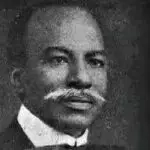
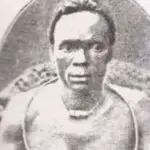
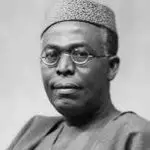
- Pictures of local heroes and heroines
- Chart displaying the timeline of contributions
- Map of the locality
- Flashcards with key terms related to the topic
Rationale for the lesson
Learning about local heroes and heroines encourages pupils to appreciate their cultural heritage and inspire active citizenship.
Prerequisite/Previous Knowledge
Pupils already know the meaning and names of some heroes and heroines from the previous lesson.
Lesson Content
Meaning of a Local Hero or Heroine
A local hero or heroine is a person remembered for useful, courageous or lasting service in a particular community or state. The person may have supported peace, education, health, fair leadership, culture, trade, farming or protection of people’s rights.
How to Select a Verified Local Example
Because “the locality” changes from school to school, the teacher should use one or two people connected to the pupils’ actual state or community. Confirm the person’s correct name, place, period and contribution from a reliable history text, museum, archive, official record or careful oral-history interview.
- State where and when the person lived.
- Describe the problem or need the person addressed.
- Give two supported contributions.
- Explain who benefited and whether accounts disagree.
History Is More Than Praise
Fame, wealth or political office alone does not prove heroism. Pupils should separate evidence from legend and may discuss both achievements and limitations respectfully. They can create a short profile: Name → Place → Period → Contribution → Evidence → Lesson learned.
Teaching Methods
Storytelling, map work, guided inquiry, discussion and profile writing.
Instructional Procedures
Step 1: Introduction
Time: 5 minutes
Teacher’s Activity: Reviews the meaning of hero and asks pupils to name a helpful person in the locality.
Pupils’ Activity: Give examples and reasons.
Step 2: Explanation
Time: 10 minutes
Teacher’s Activity: Presents a verified local figure with a map, date and evidence.
Pupils’ Activity: Identify place, period and contribution.
Step 3: Guided Profile
Time: 10 minutes
Pupils’ Activity: Complete a six-part profile in groups.
Step 4: Independent Practice
Time: 5 minutes
Pupils’ Activity: Write two sentences explaining one contribution.
Step 5: Note-Taking
Time: 4 minutes
Pupils’ Activity: Copy the concise board summary.
Step 6: Evaluation/Review
Time: 4 minutes
Teacher’s Activity: Checks names, evidence and explanations.
Objective-aligned checks:
- Identify five heroes and heroines in their locality and state their major contributions.
- Demonstrate teamwork while participating in a role-play about heroes and heroines.
Step 7: Conclusion
Time: 2 minutes
Teacher’s Activity: Connects responsible local service with citizenship.
Lesson Keywords
- locality — the community or area being studied
- contribution — useful action or achievement
- evidence — information that supports a historical account
- oral history — history learned through recorded memories and spoken accounts
Lesson Evaluation
- Who is a local hero or heroine?
- Name the verified figure studied in class.
- State the person’s locality and period.
- Explain two contributions.
- Name one source used to check the account.
Assignment/Homework
Ask a responsible adult about one person who served the locality. Write the name and claimed contribution, then mark the claim “to be checked” until a reliable source confirms it.
Differentiation
- Support: Use a picture profile with sentence starters.
- Extension: Compare oral and written evidence about the same person.
- Inclusive participation: Allow oral recording, drawing or supported writing.
Note for Teachers
Replace generic national examples with verified people from the school’s actual locality. Avoid inventing dates, ethnic identity or achievements. Present contested claims as claims, not settled facts.

Community Join the conversation Open discussion +