

Class: Junior Secondary School 1 (JSS1, JSS 1)
Term: 2nd Term
Week: 3
Age: 12 years
Duration: 45 minutes
Subject: Pre-Vocational Studies
Curriculum Theme: Agricultural Science
Previous Lesson: Classification of Farm Animals by Size, Habitat and Stomach
Topic: Characteristics of farm animals
subject Matter: Essential characteristics of each type of farm animals
Specific Objectives
By the end of the lesson, pupils should be able to:
- Cognitive Domain:
(a) Identify and describe the essential characteristics of common farm animals.
(b) Explain how these characteristics affect their productivity and usefulness. - Affective Domain:
(a) Show appreciation for the importance of selecting healthy and well-characterized animals. - Psychomotor Domain:
(a) Examine and demonstrate observable characteristics of farm animals such as size, coat, and movement. - Social Domain:
(a) Work collaboratively in groups to discuss and present findings on farm animal characteristics.
Reference Materials
The following resources were used in planning this lesson:
- 9 Years Basic Education Curriculum
- Lagos State Unified Scheme of work for Junior Secondary Schools
- Super Simple – Farm Animals
- Relevant Textbooks
Instructional Materials
The teacher will teach this lesson with the aid of:
- Charts showing different farm animals and their features
- Flashcards with animal pictures and characteristics
- Videos showing farm animals in their natural environment
- Models or figurines of animals for practical demonstration
- Whiteboard and markers
Rationale for the Lesson
This lesson helps pupils identify and understand essential characteristics of farm animals, enhancing their knowledge for proper animal selection and management.
Prerequisite/Previous Knowledge
Pupils have basic knowledge of farm animals from prior lessons, including types of animals and their general uses on the farm.
Lesson Content/Board Summary
Characteristics of Farm Animals
Farm animals have specific physical and behavioral features that make them suitable for farming purposes. Observing these traits ensures better productivity and health management.
Cattle
Cattle are large domesticated animals used for milk, meat, and draft purposes.
The following are essential characteristics of cattle:
- Strong muscular body suitable for work or meat production.
- Well-formed limbs for walking and carrying loads.
- Smooth, shiny coat indicating good health.
- Clear eyes and alert behavior.
- Good appetite and ability to adapt to different feeds.
- Proper body size depending on breed.
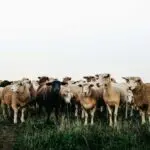
Sheep
Sheep are raised mainly for wool, meat, and milk.
The following are essential characteristics of sheep:
- Soft and dense fleece or wool.
- Well-proportioned body and limbs.
- Bright eyes and active behavior.
- Healthy hooves for walking.
- Good appetite and grazing habit.
Goats
Goats are versatile animals kept for meat, milk, and sometimes skin.
The following are essential characteristics of goats:
- Smooth and shiny coat, sometimes coarse depending on breed.
- Alertness and agility in movements.
- Well-shaped horns and ears.
- Strong legs and hooves.
- Ability to feed on various plants and adapt to different environments.
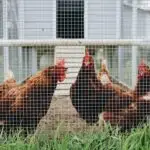
Poultry
Poultry includes chickens, ducks, and turkeys mainly raised for eggs and meat.
The following are essential characteristics of poultry:
- Healthy feathers and bright eyes.
- Active and alert behavior.
- Properly formed beak and legs.
- Strong appetite for grains and feed.
- Good egg-laying capacity for layers.
Teaching Methods/Instructional Techniques:
Discussion, Lecture, Demonstration, Group Work, Visual Aids, Question and Answer
Instructional Procedures
To deliver this lesson, the teacher will adopt the following steps:
Step 1: Introduction
Time: 5 minutes
Teaching Skill: Set Induction
Teacher’s Activity: Teacher asks pupils to name farm animals they have seen and discusses their uses.
Pupils’ Activity: Pupils respond by naming animals and stating uses.
Learning Point: Pupils recall previous knowledge and are prepared for learning animal characteristics.
Step 2: Characteristics of Cattle
Time: 8 minutes
Teaching Skill: Explanation
Teacher’s Activity: Teacher presents a chart showing cattle and explains their physical and behavioral traits.
Pupils’ Activity: Pupils observe, take notes, and ask questions.
Learning Point: Pupils learn the key characteristics of cattle.
Step 3: Characteristics of Sheep and Goats
Time: 10 minutes
Teaching Skill: Demonstration
Teacher’s Activity: Teacher shows pictures/models of sheep and goats and highlights essential features.
Pupils’ Activity: Pupils examine charts/models and identify characteristics.
Learning Point: Pupils understand the features of sheep and goats.
Step 4: Characteristics of Poultry
Time: 7 minutes
Teaching Skill: Group Work
Teacher’s Activity: Teacher divides pupils into groups to discuss observable traits of poultry using visual aids.
Pupils’ Activity: Pupils work in groups, present findings, and discuss.
Learning Point: Pupils can identify and explain poultry characteristics.
Step 5: Note-Taking
Time: 5 minutes
Teaching Skill: Explanation
Teacher’s Activity: Teacher writes the board summary for pupils to copy.
Pupils’ Activity: Pupils copy notes into exercise books.
Learning Point: Pupils have documented reference for the lesson.
Step 6: Evaluation/Review
Time: 5 minutes
Teaching Skill: Questioning
Teacher’s Activity: The teacher evaluates the learning by asking the following questions:
- List three characteristics of cattle.
- Mention two essential traits of sheep.
- Give two observable features of goats.
- Identify two traits of healthy poultry.
Pupils’ Activity: Pupils answer orally.
Learning Point: Pupils demonstrate understanding of farm animal characteristics.
Step 7: Conclusion
Time: 5 minutes
Teaching Skill: Reinforcement
Teacher’s Activity: Teacher summarizes the lesson, reinforces the importance of observing animal characteristics, and encourages care of farm animals.
Pupils’ Activity: Pupils listen, ask questions, and reflect on practical application.
Learning Point: Pupils appreciate the relevance of selecting and maintaining healthy farm animals.
Home Task: List four lesson examples connected with Characteristics of farm animals and add one correct use, step or safety rule.
Lesson Keywords
- Cattle – large domesticated animal for meat, milk, or work
- Sheep – small domesticated animal raised for wool and meat
- Goat – versatile farm animal kept for meat, milk, and skin
- Poultry – domesticated birds like chickens or ducks for eggs and meat
- Characteristics – observable features that describe animals’ health and usefulness
Differentiation
Teacher provides simpler examples and visual aids for slower learners while advanced pupils are encouraged to describe characteristics in more detail and lead group discussions.
Note for teachers using this lesson plan
Ensure pupils observe animals closely, use visual aids effectively, and encourage practical discussion on the relevance of these characteristics for farming success.

Community Join the conversation Open discussion +