

Class: Junior Secondary School 1 (JSS1, JSS 1)
Term: 1st Term
Week: 5
Age: 12 years
Duration: 45 minutes
Subject: Pre-Vocational Studies
Curriculum Theme: Agricultural Science
Sub Theme: Concept And Medium Of Agricultural Production
Previous Lesson: Types and Practices of Agriculture
Topic: Forms Of Agriculture: Definition Of Terms
Subject Matter: Define Crop Farming, Horticulture, Livestock Farming, Apiculture, Fishery and Heliciculture, Explain the Advantages and Disadvantages of Each Practice, Economic Importance of Rearing Farm Animals
Specific Objectives
By the end of the lesson, pupils should be able to:
- Cognitive Domain:
(a) Define crop farming, horticulture, livestock farming, apiculture, fishery, and heliciculture.
(b) State the advantages and disadvantages of each form of farming.
(c) Explain the economic importance of rearing farm animals. - Affective Domain:
(a) Show appreciation for different forms of agriculture.
(b) Demonstrate positive attitudes towards farming as a source of livelihood. - Psychomotor Domain:
(a) Draw simple diagrams of some farming activities.
(b) Identify agricultural tools used in crop and animal farming. - Social Domain:
(a) Work cooperatively in groups to discuss agricultural practices.
(b) Share ideas on how agriculture benefits the community.
Reference Materials
The following resources were used in planning this lesson:
- 9 Years Basic Education Curriculum
- Lagos State Unified Scheme of work for Junior Secondary Schools
- Online information from: Britannica -:Horticulture | Definition, Types, Techniques, & Uses
- Relevant Textbooks
Instructional Materials
The teacher will teach this lesson with the aid of:
- Charts showing different types of farming.
- Real farm produce (e.g., maize, vegetables, fish).
- Pictures of animals such as goats, poultry, bees, and snails.
- Flash cards with definitions.
- Whiteboard and markers.
Rationale for the Lesson
This lesson helps pupils understand the different forms of agriculture, their uses, and their economic importance, thereby preparing them to appreciate farming as a source of food and income.
Prerequisite/Previous Knowledge
Pupils already have basic knowledge of plants and animals from their daily life experiences and previous lessons in primary school science.
Lesson Content/Board Summary
Forms of Agriculture: Definition of Terms
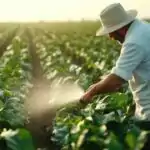
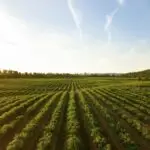
Crop Farming
Crop farming is the cultivation of crops such as cereals, legumes, fruits, and vegetables for human and animal use.
The following are examples of crops grown in crop farming:
- Maize
- Rice
- Cassava
- Yam
- Beans
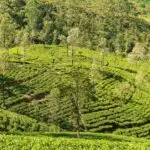
Horticulture
Horticulture is the science and art of growing fruits, vegetables, flowers, and ornamental plants.
The following are importance of horticulture:
- Provides fruits and vegetables for food.
- Beautifies the environment with ornamental plants.
- Creates employment opportunities.
- Provides raw materials for industries.
Livestock Farming
Livestock farming is the rearing of animals such as cattle, goats, sheep, pigs, and poultry for food, income, and other uses.
The following are advantages of livestock farming:
- Provides meat, milk, and eggs for human consumption.
- Produces manure for crop farming.
- Source of income through sales of animals.
- Provides raw materials such as wool, leather, and hides.
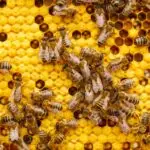
Apiculture
Apiculture is the keeping of bees for honey, wax, and pollination.
The following are advantages of apiculture:
- Produces honey which is nutritious.
- Bees help in pollination of crops.
- Provides wax for candle and polish making.
- Provides income for farmers.
Fishery
Fishery is the practice of breeding and harvesting fish and other aquatic animals.
The following are importance of fishery:
- Provides fish which is a source of protein.
- Creates employment opportunities.
- Provides income through fish sales.
- Supplies raw materials for industries.
Heliciculture
Heliciculture is the rearing of snails for food and income.
The following are advantages of heliciculture:
- Snails provide highly nutritious meat.
- Requires little capital and space.
- Snails reproduce quickly and are easy to manage.
- Provides income through sales.
Economic Importance of Rearing Farm Animals
Farm animals are very important in the economy and daily life of humans.
The following are economic importance of rearing farm animals:
- Source of food such as meat, eggs, and milk.
- Provides hides, skins, and wool for clothing industries.
- Source of manure for crop farming.
- Provides employment opportunities.
- Source of income through local and international trade.
Teaching Methods/Instructional Techniques:
Discussion, Lecture, Storytelling, Explanation, Visual Aids, Group Work
Instructional Procedures
To deliver this lesson, the teacher will adopt the following steps:
Step 1: Introduction
Time: 5 minutes
Teaching Skill: Set Induction
Teacher’s Activity: The teacher tells a short story about a farmer who grows crops, keeps animals, and also rears snails, asking pupils if they have seen or heard of such practices.
Pupils’ Activity: Pupils listen attentively and respond to questions.
Learning Point: Pupils become aware of different forms of farming.
Step 2: Definition of Terms
Time: 10 minutes
Teaching Skill: Explanation
Teacher’s Activity: The teacher defines crop farming, horticulture, livestock farming, apiculture, fishery, and heliciculture using charts and flash cards.
Pupils’ Activity: Pupils copy the definitions and listen attentively.
Learning Point: Pupils understand the meaning of each form of farming.
Step 3: Advantages and Disadvantages
Time: 10 minutes
Teaching Skill: Discussion
Teacher’s Activity: The teacher explains the advantages and disadvantages of each farming practice with real-life examples.
Pupils’ Activity: Pupils contribute ideas and ask questions.
Learning Point: Pupils learn the benefits and challenges of various agricultural practices.
Step 4: Economic Importance of Farm Animals
Time: 10 minutes
Teaching Skill: Illustration
Teacher’s Activity: The teacher lists and explains the economic importance of rearing animals and shows examples like milk, eggs, and hides.
Pupils’ Activity: Pupils identify examples of animal products.
Learning Point: Pupils understand the role of animals in human life and the economy.
Step 5: Note-Taking
Time: 5 minutes
Teaching Skill: Writing
Teacher’s Activity: The teacher dictates or writes the board summary for pupils to copy.
Pupils’ Activity: Pupils copy the note into their exercise books.
Learning Point: Pupils have a complete record of the lesson.
Step 6: Evaluation/Review
Time: 3 minutes
Teaching Skill: Questioning
Teacher’s Activity: The teacher evaluates the learning by asking the following questions:
- Define apiculture and heliciculture.
- State two advantages of livestock farming.
- Mention three economic importance of rearing farm animals.
- List two examples of crops in crop farming.
- Explain one disadvantage of fishery.
Pupils’ Activity: Pupils answer the questions orally.
Learning Point: Pupils recall and demonstrate understanding of the lesson.
Step 7: Conclusion
Time: 2 minutes
Teaching Skill: Reinforcement
Teacher’s Activity: The teacher summarizes the lesson and encourages pupils to appreciate agriculture.
Pupils’ Activity: Pupils listen attentively.
Learning Point: Pupils understand the importance of different agricultural practices.
Home Task: List four lesson examples connected with Forms Of Agriculture: Definition Of Terms and add one correct use, step or safety rule.
Lesson Keywords
- Crop Farming – cultivation of crops for food and income.
- Horticulture – growing of fruits, vegetables, and ornamental plants.
- Livestock Farming – rearing of animals such as goats, cattle, and poultry.
- Apiculture – keeping of bees for honey and wax.
- Heliciculture – rearing of snails for meat and income.
Differentiation
Teacher supports slower learners with simpler examples, encourages fast learners to give more detailed answers, and groups pupils for peer assistance.
Note for teachers using this lesson plan
Relate the lesson to pupils’ environment by using familiar crops and animals. Make the class interactive and emphasize the economic benefits of agriculture to encourage interest.
Community Join the conversation Open discussion +