

Class: Junior Secondary School 1 (JSS1, JSS 1)
Term: 1st Term
Week: 3
Age: 12 years
Duration: 45 minutes
Subject: Pre-Vocational Studies
Curriculum Theme: Agricultural Science
Sub Theme: Concept And Medium Of Agricultural Production
Previous Lesson: Importance Of Agriculture
Topic: Importance Of Agriculture To The Nation Economy
Subject Matter: Importance Of Agriculture To The Nation Economy
Specific Objectives
By the end of the lesson, pupils should be able to:
- Cognitive Domain:
(a) Explain the meaning of agriculture.
(b) State the importance of agriculture to the nation’s economy. - Affective Domain:
(a) Appreciate the role of agriculture in national development.
(b) Show positive attitudes toward agricultural activities. - Psychomotor Domain:
(a) Identify agricultural products and their uses.
(b) Demonstrate how agricultural resources contribute to everyday life. - Social Domain:
(a) Work cooperatively in groups while discussing the role of agriculture.
(b) Share knowledge about agricultural importance with classmates.
Reference Materials
The following resources were used in planning this lesson:
- 9 Years Basic Education Curriculum
- Lagos State Unified Scheme of work for Junior Secondary Schools
- Online information from: World Bank – “Agriculture and Food Overview” [https://www.worldbank.org/en/topic/agriculture/overview]
- Relevant Textbooks
Instructional Materials
The teacher will teach this lesson with the aid of:
- Chart showing agricultural products (crops and livestock)
- Pictures of farmers and farmlands
- Samples of farm produce (e.g., maize, yam, beans, vegetables)
- Real objects such as farm tools
- Whiteboard/marker
Rationale for the Lesson
This lesson helps students understand the vital role agriculture plays in providing food, employment, raw materials, and revenue for the nation’s economic development.
Prerequisite/Previous Knowledge
Pupils have seen farmers in their communities and markets where food is sold. They also have basic knowledge of crops, animals, and how people depend on farming for survival.
Lesson Content/Board Summary
Importance Of Agriculture To The Nation Economy
Agriculture plays a vital role in the development of a nation. It provides the foundation for food, jobs, and industrial growth.
The following are the importance of agriculture to the nation’s economy:
- Provision of food for the population.
- Source of raw materials for industries such as textile, breweries, and oil mills.
- Creation of employment opportunities for farmers and workers.
- Generation of foreign exchange through export of agricultural products.
- Contribution to national income and Gross Domestic Product (GDP).
- Development of rural areas by providing infrastructure and services.
- Provision of shelter materials such as timber and bamboo.
- Promotion of trade and commerce within and outside the country.
Importance of Agriculture to Nigeria’s Economy
Agriculture supplies food, raw materials and income; supports farming, processing, transport, storage and trade; contributes to exports and government revenue; and sustains many rural livelihoods. It also creates demand for tools, finance, research and communication services.
Its contribution should not be measured by farm output alone. Post-harvest loss, low productivity, environmental damage and poor market access can reduce benefits, so development requires technology, infrastructure, skills and sustainable land use.
Teaching Methods/Instructional Techniques:
Discussion, Lecture, Storytelling, Explanation, Use of Visual Aids, Question and Answer, Group Work
Instructional Procedures
To deliver this lesson, the teacher will adopt the following steps:
Step 1: Introduction
Time: 5 minutes
Teaching Skill: Set Induction
Teacher’s Activity: The teacher narrates a short story of a family that eats rice, yam, and vegetables daily and asks pupils where these foods come from.
Pupils’ Activity: Pupils respond that the foods come from farming and agriculture.
Learning Point: Pupils link their daily meals to agriculture.
Step 2: Meaning of Agriculture
Time: 7 minutes
Teaching Skill: Explanation
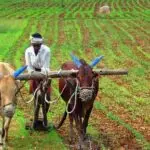
Teacher’s Activity: The teacher explains the meaning of agriculture and shows pictures of farmers and farmlands.
Pupils’ Activity: Pupils listen, observe, and repeat the definition of agriculture.
Learning Point: Pupils understand the meaning of agriculture.
Step 3: Importance of Agriculture
Time: 15 minutes
Teaching Skill: Discussion and Illustration
Teacher’s Activity: The teacher explains the importance of agriculture and lists them on the board. The teacher displays samples of farm produce and links them to national use.
Pupils’ Activity: Pupils take notes, participate in the discussion, and identify uses of displayed items.
Learning Point: Pupils identify the economic importance of agriculture.
Step 4: Application to the Nation’s Economy
Time: 8 minutes
Teaching Skill: Question and Answer
Teacher’s Activity: The teacher links agriculture to Nigeria’s economy and asks pupils to give examples of how farming supports families and industries.
Pupils’ Activity: Pupils respond with examples such as export of cocoa, cotton, and oil palm.
Learning Point: Pupils understand agriculture as a backbone of the economy.
Step 5: Note-Taking
Time: 5 minutes
Teaching Skill: Guidance
Teacher’s Activity: The teacher dictates or writes the summarized content of the lesson on the board.
Pupils’ Activity: Pupils copy notes into their exercise books.
Learning Point: Pupils record and retain lesson details.
Step 6: Evaluation/Review
Time: 3 minutes
Teaching Skill: Questioning
Teacher’s Activity: The teacher evaluates the learning by asking the following questions:
- What is agriculture?
- Mention four importance of agriculture to the nation’s economy.
- How does agriculture provide employment?
- Give two examples of agricultural products that are exported.
Pupils’ Activity: Pupils answer questions orally.
Learning Point: Pupils demonstrate understanding of the topic.
Step 7: Conclusion
Time: 2 minutes
Teaching Skill: Reinforcement
Teacher’s Activity: The teacher summarizes the lesson and encourages pupils to see agriculture as a vital part of life and the nation’s growth.
Pupils’ Activity: Pupils listen and ask final questions.
Learning Point: Pupils appreciate agriculture as important to national development.
Home Task: List four lesson examples connected with Importance Of Agriculture To The Nation Economy and add one correct use, step or safety rule.
Lesson Keywords
- Agriculture – The science and practice of crop production and animal rearing.
- Economy – The system of production, trade, and use of resources in a country.
- Employment – Jobs or work opportunities provided for people.
- Export – Selling goods or products to other countries.
- Raw materials – Natural resources used in industries to produce finished goods.
Differentiation
The teacher will use visual aids for slower learners, discussion and questioning for average learners, and group assignments for faster learners to ensure everyone benefits from the lesson.
Note for teachers using this lesson plan
Encourage pupils to give real-life examples of agricultural products in their locality. Use practical teaching aids like actual farm produce to make the lesson engaging. Relate the importance of agriculture to Nigeria’s present economic situation for relevance.



Community Join the conversation Open discussion +