

Class: Junior Secondary School 1 (JSS1, JSS 1)
Term: 2nd Term
Week: 1
Age: 12 years
Duration: 45 minutes
Subject: Pre-Vocational Studies
Curriculum Theme: Agricultural Science
Previous Lesson:
Topic: Classification of farm animals (Part 1)
Subject Matter: Work animals, Dairy animals, Guard animals, Poultry, Aquatic animals, Pets
Specific Objectives
By the end of the lesson, pupils should be able to:
- Cognitive Domain:
(a) Identify different types of farm animals and their classifications.
(b) Describe the role and use of each category of farm animal. - Affective Domain:
(a) Develop appreciation for the usefulness of animals in daily life and farming activities. - Psychomotor Domain:
(a) Demonstrate care and simple handling techniques for selected farm animals. - Social Domain:
(a) Collaborate with peers to group animals correctly according to their classifications.
Reference Materials
The following resources were used in planning this lesson:
- 9 Years Basic Education Curriculum
- Lagos State Unified Scheme of work for Junior Secondary Schools
- Super Simple – Farm Animals
- Relevant Textbooks
Instructional Materials
The teacher will teach this lesson with the aid of:
- Charts and posters showing various farm animals
- Flashcards with animal names and pictures
- Toy models or images of farm animals
- Whiteboard and markers
- Short video clips of animals in farms or aquaculture setups
Rationale for the Lesson
This lesson helps pupils understand the different types of farm animals, their purposes, and their contribution to agriculture and domestic life.
Prerequisite/Previous Knowledge
Pupils are expected to have observed animals in farms, markets, or at home and can recognize common domestic and farm animals.
Lesson Content/Board Summary
Classification of Farm Animals
Farm animals are grouped based on their primary uses and characteristics. Understanding their classifications helps in proper care, management, and utilization.
Work Animals
Work animals are used to perform tasks such as plowing, transportation, or carrying loads.
Examples are:
- Horses
- Donkeys
- Camels
- Oxen
Dairy Animals
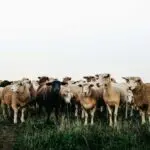
Dairy animals are raised mainly for milk production, which can be processed into butter, cheese, and other products.
Examples include:
- Cows
- Goats
- Buffaloes
Guard Animals
Guard animals help protect properties, livestock, and people from intruders.
They are:
- Dogs
- Donkeys (in some farming communities)
Poultry
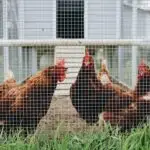
Poultry are birds raised for eggs, meat, or feathers.
These include:
- Chickens
- Ducks
- Turkeys
- Geese
Aquatic Animals
Aquatic animals are raised in water bodies for food or commercial purposes.
Examples are:
- Fish (e.g., catfish, tilapia)
- Crayfish
- Prawns
Pets
Pets are animals kept for companionship and enjoyment rather than economic purposes.
They are:
- Dogs
- Cats
- Birds (e.g., parrots)
Classification by Main Use
Farm animals may be grouped by main use: cattle or donkeys for work, dairy cattle or goats for milk, dogs for guarding, chickens and turkeys as poultry, fish as aquatic animals, and selected animals as pets.
One animal can have more than one use, and use varies by community. The classification criterion must be stated instead of treating every member of a species as identical.
Teaching Methods/Instructional Techniques:
Discussion, Lecture, Explanation, Visual Aids, Demonstration, Group Work, Question and Answer
Instructional Procedures
To deliver this lesson, the teacher will adopt the following steps:
Step 1: Introduction
Time: 5 minutes
Teaching Skill: Set Induction
Teacher’s Activity: Teacher asks pupils to mention animals they have seen in farms or at home and relates them to the topic of classification.
Pupils’ Activity: Pupils respond with examples of animals.
Learning Point: Pupils are prepared to learn about classifications of farm animals.
Step 2: Work Animals
Time: 7 minutes
Teaching Skill: Explanation
Teacher’s Activity: Teacher defines work animals, lists examples, and explains their uses in farming activities using charts.
Pupils’ Activity: Pupils listen, take notes, and ask questions for clarification.
Learning Point: Pupils understand which animals are used for labor and transport.
Step 3: Dairy Animals
Time: 7 minutes
Teaching Skill: Discussion
Teacher’s Activity: Teacher discusses dairy animals, their importance, and products obtained from them.
Pupils’ Activity: Pupils participate by naming dairy animals they have seen and their uses.
Learning Point: Pupils appreciate the value of dairy animals in nutrition and economy.
Step 4: Guard Animals
Time: 5 minutes
Teaching Skill: Explanation
Teacher’s Activity: Teacher presents examples of guard animals and their roles in protection using images or stories.
Pupils’ Activity: Pupils identify guard animals and explain how they provide security.
Learning Point: Pupils understand the protective function of certain animals.
Step 5: Poultry and Aquatic Animals
Time: 7 minutes
Teaching Skill: Demonstration
Teacher’s Activity: Teacher shows charts or short videos of poultry and aquatic animals and explains their uses.
Pupils’ Activity: Pupils observe, take notes, and answer questions on examples and purposes.
Learning Point: Pupils recognize the types of poultry and aquatic animals and their contribution to food production.
Step 6: Pets
Time: 4 minutes
Teaching Skill: Explanation
Teacher’s Activity: Teacher explains what pets are, their role in companionship, and examples.
Pupils’ Activity: Pupils mention pets they have at home or have seen.
Learning Point: Pupils understand the concept of pets and their social benefits.
Step 7: Note-Taking
Time: 5 minutes
Teaching Skill: Explanation
Teacher’s Activity: Teacher writes the board summary for pupils to copy.
Pupils’ Activity: Pupils write notes into their exercise books.
Learning Point: Pupils have a written record of the lesson content.
Step 8: Evaluation/Review
Time: 3 minutes
Teaching Skill: Questioning
Teacher’s Activity: The teacher evaluates the learning by asking the following questions:
- Name two work animals and their uses.
- List three dairy animals.
- Give one example each of a guard animal, poultry, and aquatic animal.
- Mention two pets commonly kept at home.
Pupils’ Activity: Pupils answer orally.
Learning Point: Pupils demonstrate understanding of farm animal classification.
Step 9: Conclusion
Time: 2 minutes
Teaching Skill: Reinforcement
Teacher’s Activity: Teacher summarizes the lesson, reinforces the importance of animal classification, and encourages observation at home or in farms.
Pupils’ Activity: Pupils listen and ask questions where necessary.
Learning Point: Pupils appreciate and can classify farm animals correctly.
Home Task: List four lesson examples connected with Classification of farm animals (Part 1) and add one correct use, step or safety rule.
Lesson Keywords
- Work Animals – animals used for labor or transport
- Dairy Animals – animals raised for milk production
- Guard Animals – animals used to protect property or people
- Poultry – birds raised for meat, eggs, or feathers
- Aquatic Animals – animals raised in water for food
- Pets – animals kept for companionship
Differentiation
Teacher provides visual aids and hands-on examples for slower learners, while advanced learners are encouraged to explain uses of animals in different contexts.
Note for teachers using this lesson plan
Use real-life examples, videos, or visits to nearby farms to enhance understanding. Ensure safety when discussing live animals. Encourage pupils to observe animals in their environment.

Community Join the conversation Open discussion +