

Class: Junior Secondary School 1 (JSS1, JSS 1)
Term: 2nd Term
Week: 5
Age: 12 years
Duration: 45 minutes
Subject: Basic Science And Technology
Curriculum Theme: Basic Science
Previous Lesson: Definition, Transmission, Effects and Prevention of Sexually Transmitted Infection (STI)
Topic: HIV/AIDS (Part 1)
Subject Matter: Meaning of HIV/AIDS, Difference between HIV and AIDS, Mode of transmission, Behaviours that put people at risk, Prevention of HIV
Specific Objectives
By the end of the lesson, pupils should be able to:
- Cognitive Domain:
(a) Explain the meaning of HIV and AIDS.
(b) Differentiate between HIV and AIDS.
(c) Identify the main modes of transmission.
(d) List behaviours that increase the risk of contracting HIV.
(e) State methods of preventing HIV infection. - Affective Domain:
(a) Appreciate the need to avoid risky behaviours that expose one to HIV.
(b) Develop empathy towards people living with HIV/AIDS. - Psychomotor Domain:
(a) Demonstrate correct ways of practicing HIV prevention, such as using protective measures and maintaining personal hygiene. - Social Domain:
(a) Participate in group discussions on HIV/AIDS prevention.
(b) Encourage peers to adopt healthy and safe behaviours.
Reference Materials
The following resources were used in planning this lesson:
- 9 Years Basic Education Curriculum
- Lagos State Unified Scheme of Work for Junior Secondary Schools
- World Health Organization – “HIV/AIDS Fact Sheet” (https://www.who.int/news-room/fact-sheets/detail/hiv-aids)
- Relevant Textbooks
Instructional Materials
The teacher will teach this lesson with the aid of:
- Charts showing the differences between HIV and AIDS
- Flashcards illustrating modes of transmission
- Short animated video clips about HIV/AIDS awareness
- Whiteboard and markers
- Handouts summarizing prevention strategies
Rationale for the Lesson
This lesson equips pupils with knowledge of HIV/AIDS, its transmission, risk behaviours, and prevention strategies to foster healthy lifestyles and informed decision-making.
Prerequisite/Previous Knowledge
Pupils have basic awareness of communicable diseases, their causes, and general prevention methods, including personal hygiene and healthy habits.
Lesson Content/Board Summary
HIV/AIDS
Meaning of HIV/AIDS
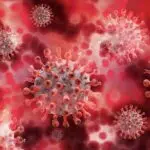
HIV is a virus that attacks the immune system, weakening the body’s ability to fight infections. AIDS is the final stage of HIV infection when the immune system is severely damaged.
The following are key points:
- HIV stands for Human Immunodeficiency Virus.
- AIDS stands for Acquired Immune Deficiency Syndrome.
- HIV infection may exist without symptoms for several years.
- AIDS is the stage where the body becomes highly vulnerable to infections.
Difference between HIV and AIDS
HIV and AIDS are related but not the same; understanding their differences is important.
They are:
- HIV is the virus that causes AIDS.
- AIDS is a condition or syndrome caused by prolonged HIV infection.
- A person can have HIV without developing AIDS immediately.
- HIV infection can be managed with medication, while AIDS requires more intensive care.
Mode of Transmission
HIV is transmitted through certain body fluids from an infected person to another.
The following are the main modes:
- Unprotected sexual intercourse with an infected person.
- Sharing of contaminated needles or sharp objects.
- From mother to child during pregnancy, childbirth, or breastfeeding.
- Transfusion of infected blood or blood products.
Behaviours that Put People at Risk
Certain behaviours increase the likelihood of HIV infection.
These include:
- Engaging in unprotected sex.
- Having multiple sexual partners.
- Sharing needles or syringes.
- Substance abuse leading to risky decisions.
- Ignoring safe blood transfusion practices.
Prevention of HIV
HIV infection can be prevented through safe and responsible behaviours.
The following are preventive measures:
- Abstaining from sexual intercourse or practicing safe sex using condoms.
- Avoiding sharing of needles and sharp objects.
- Ensuring blood transfusions are screened for HIV.
- Following proper medical procedures during childbirth.
- Educating peers and the community about HIV prevention.
Teaching Methods/Instructional Techniques:
Discussion, Lecture, Explanation, Visual Aids, Demonstration, Question and Answer, Group Work
Instructional Procedures
To deliver this lesson, the teacher will adopt the following steps:
Step 1: Introduction
Time: 5 minutes
Teaching Skill: Set Induction
Teacher’s Activity: Teacher engages pupils by asking what they know about HIV/AIDS and shows a short video clip or chart.
Pupils’ Activity: Pupils share prior knowledge and respond to questions.
Learning Point: Pupils recall prior awareness and are prepared to learn more in-depth information.
Step 2: Meaning of HIV/AIDS
Time: 7 minutes
Teaching Skill: Explanation
Teacher’s Activity: Teacher explains the meaning of HIV and AIDS and highlights the difference between them using charts.
Pupils’ Activity: Pupils take notes and repeat key terms.
Learning Point: Pupils understand HIV as a virus and AIDS as a condition caused by HIV.
Step 3: Mode of Transmission
Time: 8 minutes
Teaching Skill: Discussion
Teacher’s Activity: Teacher presents and explains the modes of transmission using examples and illustrations.
Pupils’ Activity: Pupils participate by identifying risky scenarios.
Learning Point: Pupils can identify ways HIV is transmitted.
Step 4: Risk Behaviours
Time: 8 minutes
Teaching Skill: Explanation and Questioning
Teacher’s Activity: Teacher lists and explains behaviours that increase HIV risk and asks pupils to share real-life examples.
Pupils’ Activity: Pupils contribute examples and discuss consequences.
Learning Point: Pupils recognize high-risk behaviours to avoid HIV infection.
Step 5: Prevention of HIV
Time: 7 minutes
Teaching Skill: Demonstration and Explanation
Teacher’s Activity: Teacher demonstrates preventive measures and encourages safe practices discussion.
Pupils’ Activity: Pupils practice or simulate safe measures like using models for condom demonstration or showing safe needle handling.
Learning Point: Pupils understand practical ways to prevent HIV.
Step 6: Note-Taking
Time: 5 minutes
Teaching Skill: Explanation
Teacher’s Activity: Teacher writes the board summary for pupils to copy.
Pupils’ Activity: Pupils write notes neatly in their exercise books.
Learning Point: Pupils consolidate lesson content in writing.
Step 7: Evaluation/Review
Time: 5 minutes
Teaching Skill: Questioning
Teacher’s Activity: The teacher evaluates the learning by asking the following questions:
- What is the difference between HIV and AIDS?
- List three modes of HIV transmission.
- Name two behaviours that increase HIV risk.
- Give two ways to prevent HIV infection.
Pupils’ Activity: Pupils respond orally and in writing.
Learning Point: Pupils demonstrate understanding of all key lesson objectives.
Step 8: Conclusion
Time: 3 minutes
Teaching Skill: Reinforcement
Teacher’s Activity: Teacher summarizes key points, reinforces prevention messages, and encourages pupils to share knowledge with family and peers.
Pupils’ Activity: Pupils listen attentively and ask clarifying questions.
Learning Point: Pupils appreciate the importance of HIV awareness and prevention.
Home Task: Record two correct examples of HIV/AIDS (Part 1) from the lesson or home environment and explain each in your own words.
Lesson Keywords
- HIV – Human Immunodeficiency Virus
- AIDS – Acquired Immune Deficiency Syndrome
- Transmission – The way a disease spreads from one person to another
- Prevention – Measures taken to stop disease occurrence
- Risk Behaviour – Actions that increase the chance of infection
Differentiation
Teacher provides simplified examples and visual aids for slower learners while encouraging advanced learners to lead discussions and role-plays on prevention strategies.
Note for teachers using this lesson plan
Ensure sensitive handling of HIV/AIDS topics to avoid stigmatization. Encourage open discussion and emphasize prevention, safety, and empathy towards affected individuals.


Community Join the conversation Open discussion +