

Class: Junior Secondary School 1 (JSS1, JSS 1)
Term: 1st Term
Week: 6
Age: 12 years
Duration: 45 minutes
Subject: Basic Science And Technology
Curriculum Theme: Computer Studies
Previous Lesson: Data and Information, Sources, Examples and Qualities of Good Information
Topic: Meaning And Methods Of Information Transmission
Subject Matter: Meaning of information transmission, Ancient methods of transmitting information – Oral, Fire lighting, Whistling, Beating drums, Town crying, Drawing diagrams, Making representations, Modern methods of transmitting information – GSM, Radio, Television, Computer, etc.
Specific Objectives
By the end of the lesson, pupils should be able to:
- Cognitive Domain:
(a) Define information transmission.
(b) Distinguish between ancient and modern methods of transmitting information. - Affective Domain:
(a) Appreciate the role of communication in building society. - Psychomotor Domain:
(a) Demonstrate simple communication methods like oral message, whistling, or drawing diagrams. - Social Domain:
(a) Work in groups to identify examples of modern information transmission tools used in their community.
Reference Materials
The following resources were used in planning this lesson:
- 9 Years Basic Education Curriculum
- Lagos State Unified Scheme of work for Junior Secondary Schools
- Wikipedia- Information
- Relevant Textbooks
Instructional Materials
The teacher will teach this lesson with the aid of:
- Pictures or charts of ancient and modern communication methods
- Drum, whistle, or bell for demonstration
- A mobile phone, radio, and computer for practical illustration
- Flash cards with terms related to information transmission
- Whiteboard and markers
Rationale for the Lesson
Information transmission is central to human existence and development; learning its methods helps pupils appreciate both traditional and modern ways of sharing messages.
Prerequisite/Previous Knowledge
Pupils have seen or used devices like phones, radios, and televisions at home, and they are familiar with basic communication like speaking, calling, or signaling.
Lesson Content/Board Summary
Meaning And Methods Of Information Transmission
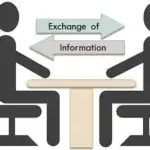
Information transmission is the process of sending and receiving messages from one person, group, or place to another through different means. It enables people to share ideas, news, instructions, and feelings.
Ancient Methods of Information Transmission
Before modern technology, people used traditional methods to pass messages within and between communities.
The following are ancient methods of information transmission:
- Oral communication – delivering messages by word of mouth.
- Fire lighting – using smoke or fire signals to send warnings or signals.
- Whistling – passing messages using sounds from whistling.
- Beating drums – communicating over distances with drum sounds.
- Town crying – a town crier shouting messages in public places.
- Drawing diagrams – using drawings to represent information.
- Making representations – carving or crafting objects to symbolize ideas.
Modern Methods of Information Transmission
Modern technology has made communication faster, clearer, and wider in reach. These methods allow information to travel across the world instantly.
The following are modern methods of information transmission:
- GSM (Global System for Mobile Communication) – mobile phones for calls, texts, and internet services.
- Radio – transmitting news and entertainment through sound waves.
- Television – sending information through audio and visual signals.
- Computer/Internet – using email, social media, and online platforms to share messages.
- Satellite communication – transmitting information globally using satellites in space.
Teaching Methods/Instructional Techniques:
Discussion, Lecture, Storytelling, Explanation, Demonstration, Group Work, Question and Answer, Use of Visual Aids
Instructional Procedures
To deliver this lesson, the teacher will adopt the following steps:
Step 1: Introduction
Time: 5 minutes
Teaching Skill: Set Induction
Teacher’s Activity: The teacher tells a short story of how people in the olden days passed information by beating drums or lighting fire.
Pupils’ Activity: Pupils listen and respond with other examples of how people pass messages today.
Learning Point: Pupils are motivated to learn about ancient and modern methods of information transmission.
Step 2: Meaning of Information Transmission
Time: 5 minutes
Teaching Skill: Explanation
Teacher’s Activity: The teacher defines information transmission and explains its importance.
Pupils’ Activity: Pupils listen and repeat the definition.
Learning Point: Pupils understand what information transmission means.
Step 3: Ancient Methods of Information Transmission
Time: 10 minutes
Teaching Skill: Storytelling and Demonstration
Teacher’s Activity: The teacher lists and explains the ancient methods using charts and demonstrates whistling or drumming.
Pupils’ Activity: Pupils observe, listen, and some try out whistling or beating a drum.
Learning Point: Pupils recognize and can describe ancient methods of communication.
Step 4: Modern Methods of Information Transmission
Time: 10 minutes
Teaching Skill: Demonstration and Discussion
Teacher’s Activity: The teacher shows devices like mobile phones, radio, television, and computer, explaining how they are used.
Pupils’ Activity: Pupils mention the modern methods they use at home and in school.
Learning Point: Pupils identify and understand the use of modern communication tools.
Step 5: Note-Taking
Time: 5 minutes
Teaching Skill: Explanation
Teacher’s Activity: The teacher dictates or writes the board summary for pupils to copy.
Pupils’ Activity: Pupils copy the lesson notes into their exercise books.
Learning Point: Pupils have a written record of the lesson.
Step 6: Evaluation/Review
Time: 3 minutes
Teaching Skill: Questioning
Teacher’s Activity: The teacher evaluates the learning by asking the following questions:
- What is information transmission?
- Mention three ancient methods of transmitting information.
- Mention three modern methods of transmitting information.
Pupils’ Activity: Pupils answer the questions orally.
Learning Point: Pupils demonstrate understanding of the lesson objectives.
Step 7: Conclusion
Time: 2 minutes
Teaching Skill: Reinforcement
Teacher’s Activity: The teacher summarizes the key points and emphasizes the importance of both ancient and modern communication.
Pupils’ Activity: Pupils listen and ask questions where necessary.
Learning Point: Pupils appreciate the development of communication over time.
Home Task: Record two correct examples of Meaning And Methods Of Information Transmission from the lesson or home environment and explain each in your own words.
Lesson Keywords
- Transmission – process of sending information from one place to another
- Oral – spoken words used for communication
- Representation – using objects, symbols, or carvings to show ideas
- GSM – mobile phone system for communication
- Satellite – man-made object in space used to transmit information globally
Differentiation
Teacher uses demonstrations, visual aids, and real-life examples to support all learners. Slower learners get simpler explanations, while advanced learners give more examples.
Note for teachers using this lesson plan
Make the lesson interactive by allowing pupils to demonstrate ancient methods like whistling or drumming and compare them with modern tools like phones and radios.


Community Join the conversation Open discussion +