

Class: Primary Two
Term: Third Term
Subject: pre-vocational Studies
Curriculum Theme: Home Economics
Previous Lesson: Harmful Substance That Could Be Taken Into The Body
Topic: Avoiding Harmful Substances
Content/Learning Area: Identifying ways to avoid harmful substances in food, showing interest in choosing safe and healthy food options, Discussing with peers the importance of eating safely and avoiding harmful substances
Time Allocation: 40 minutes
Performance Objectives
By the end of the lesson, pupils should be able to:
- Cognitive Domain:
1. Identify ways to avoid harmful substances in food.
2. Explain the importance of choosing safe and healthy food options.
3. List harmful substances found in food.
- Affective Domain:
1. Show interest in choosing safe and healthy food options.
2. Develop a positive attitude towards food safety.
- Psychomotor Domain:
1. Demonstrate the ability to wash fruits and vegetables properly.2. Show how to check if a fruit is ripe and safe to eat.
- Social Domain:
1. Discuss with peers the importance of eating safely and avoiding harmful substances.
2. Cooperate with peers during group activities.
Reference Materials
- 9 – Years Basic Education Curriculum
- Abuja Educational resource Centre Scheme of Work
- NAPPS National Unified Scheme of Work
- Relevant Textbooks
Instructional Materials
To deliver this lesson, the teacher will use the following materials:
- Whiteboard or chart
- Markers or chalk
- Pictures of fruits and vegetables
- Examples of packaged food labels
Rationale for the Lesson
This lesson is crucial for pupils’ health and well-being. Understanding how to avoid harmful substances in food empowers them to make healthy choices,preventing illness and promoting a lifelong commitment to healthy eating habits.
Prerequisite/Previous Knowledge
Pupils have prior knowledge of harmful substances.
Lesson Content
Harmful Substance That Could Be Taken Into The Body – Ways To Avoid harmful Substance
What are Harmful Substances?
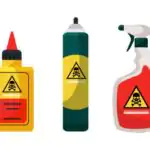
Harmful substances are things that can make us sick if we eat them. They can be found in food, drinks, and even the air we breathe. Thes include bacteria, viruses, chemicals, and pesticides.
Ways to Avoid Harmful Substances
There are several ways to avoid harmful substances in food to ensure safety and well-being. These include:
- Eating properly cooked food: Cooking food properly kills harmful bacteria and germs. Ensure meat, poultry, and eggs are thoroughly cooked.
- Choosing ripe fruits: Avoid fruits that have mold or look damaged,as they may contain harmful substances. Select fruits that are firm, brightly colored, and free from bruises.
- Washing fruits and vegetables: washing fruits and vegetables under running water helps remove dirt, chemicals, and pesticides.Use a clean brush to scrub the surfaces of firm produce like potatoes and carrots.
- Reading labels on packaged foods: Pay attention to labels on packaged foods to avoid harmful additives and preservatives. Check for expiry dates and ingredients that may be harmful.
- Asking an adult: If you’re not sure whether something is safe to eat, always ask an adult for help. They can provide guidance and ensure your safety.
- Storing food properly: Store perishable foods at the correct temperature to prevent bacterial growth. Keep raw and cooked foods separate to avoid cross-contamination.
- Using clean utensils and surfaces: Always use clean utensils and cutting boards when preparing food.Wash your hands thoroughly before handling food.
teaching Methods
To deliver this lesson, the teacher will adopt the following methods: Discussion, Question and answer, Group work, Exhibition
Instructional Procedures
To deliver this lesson, the teacher will adopt the following steps:
Step 1: Introduction
Time: 5 minutes
Teaching Skill: Set Induction
Teacher’s Activity: Review previous lesson on harmful substances.Ask pupils what they remember about harmful substances.
Pupils’ Activity: Respond to teacher’s questions,sharing their knowledge of harmful substances.
step 2: Explanation of Key Concepts
Time: 10 minutes
Teaching Skill: Explaining
Teacher’s Activity: Explain what harmful substances are and where they can be found. Discuss the importance of food safety.
Pupils’ Activity: Listen attentively and ask clarifying questions.
Step 3: Demonstration/Guided Practice
Time: 10 minutes
Teaching Skill: Demonstrating
Teacher’s Activity: Demonstrate how to wash fruits and vegetables properly. Show examples of ripe and unripe fruits.
Pupils’ Activity: Observe the demonstration and participate in washing fruits and vegetables.
Step 4: Self-reliant Practise
Time: 5 minutes
Teaching Skill: Monitoring
Teacher’s Activity: Supervise pupils as they work in groups to identify safe and unsafe food items.
Pupils’ Activity: Work in groups to identify safe and unsafe food items using pictures and examples.
Step 5: Note-Taking
time: 5 minutes
Teaching Skill: note-taking
teacher’s Activity: Guide pupils in taking notes on key concepts and ways to avoid harmful substances.
Pupils’ Activity: Write down key points in their notebooks.
Step 6: Evaluation/Review
Time: 5 minutes
Teaching Skill: Questioning
Teacher’s Activity: Ask evaluation questions to assess pupils’ understanding.
Pupils’ Activity: Answer the evaluation questions.
Objective-aligned checks:
- Identify ways to avoid harmful substances in food.
- Explain the importance of choosing safe and healthy food options.
- List harmful substances found in food.
Step 7: Conclusion
Time: 5 minutes
Teaching Skill: Summarizing
Teacher’s Activity: Summarize the key points and assign homework.
Pupils’ Activity: Listen to the summary and note the homework assignment.
Lesson Keywords
- Harmful Substances – Things that can make us sick if we eat them.
- Food safety – Practices to keep food safe to eat.
- Pesticides – Chemicals used to protect crops from insects and pests.
- Additives – Substances added to food to preserve flavor or enhance its taste and appearance.
- Preservatives – Substances added to food to prevent spoilage.
Lesson Evaluation
To evaluate the learning, the teacher asks pupils to:
- What are two ways to ensure the food you eat is safe from harmful substances?
- How can you check if a fruit is ripe and safe to eat?
- Why is it crucial to wash fruits and vegetables before eating?
- What are some harmful substances that can be found in food?
- What can you do if you are unsure about the safety of a food item?
Assignment/Homework
- Draw pictures of safe and unsafe food items.
- List three ways to avoid harmful substances in food.
- Ask your parents about food safety practices at home and write them down.
Differentiation
- For slower learners: Provide one-on-one assistance and use simpler language.
- For advanced learners: encourage them to research additional ways to avoid harmful substances and present their findings to the class.
- For visual/auditory/kinesthetic learners: Use visual aids, demonstrations, and hands-on activities to cater to different learning styles.
Note for Teachers
Ensure to use real-life examples and demonstrations to make the lesson engaging and relatable for the pupils. Emphasize the importance of asking for help from adults when unsure about food safety.

Community Join the conversation Open discussion +