

Class: Primary Two
Term: Third Term
Subject: Basic Science and Technology
Curriculum Theme: computer Studies
Previous Lesson: Parts Of A Digital Wristwatch
Topic: Uses Of A Digital Wristwatch
Content/Learning Area: What is a Digital Wristwatch?, Uses of a Digital Wristwatch
Time Allocation: 40 minutes
Performance objectives
By the end of the lesson, pupils should be able to:
- Cognitive Domain:
- Identify and list at least four uses of a digital wristwatch.
- Affective Domain:
- appreciate the importance of a digital wristwatch in daily activities.
- Psychomotor Domain:
- Demonstrate the ability to use a digital wristwatch’s basic functions (e.g., checking time, setting an alarm).
- Social Domain:
- Discuss with peers the different uses of a digital wristwatch during social activities.
Reference Materials
- 9 – Years Basic Education Curriculum
- Abuja Educational Resource Center Scheme of Work
- NAPPS National Unified Scheme of Work
- Relevant Textbooks
Instructional Materials
To deliver this lesson,the teacher will employ the help of the following materials:
- A digital wristwatch
- Whiteboard or chart paper
- Markers
Rationale for the Lesson
Understanding the uses of a digital wristwatch helps pupils appreciate its value as a tool for time management and association, skills crucial for academic success and daily life.
Prerequisite/Previous Knowledge
The teacher will begin by asking pupils what they know about wristwatches. A brief discussion will follow, leading into the lesson’s focus on the uses of a digital wristwatch.
Lesson Content
What is a Digital Wristwatch?
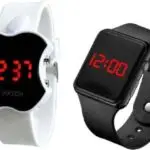
A digital wristwatch is a device that shows the time using numbers, not hands. It often has extra features like alarms, stopwatches, and timers.
Uses of a digital Wristwatch
A digital wristwatch has several functions that make it a useful tool in our daily lives. These include:
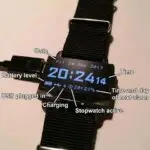
- Keeping track of time: This is its main job, helping us stay organized.
- Using as an alarm: It can remind us of things we need to do.
- Timing activities with the stopwatch function: Useful for seeing how long something takes.
- Checking the date: Many show the date too, helpful for remembering events.
- Using the backlight to see in the dark: Lets us see the time even when it’s dark.
- Health Monitoring: Some can track steps or heart rate.
- Setting Reminders: Digital wristwatches can be used to set reminders for crucial tasks or appointments.
- Navigation: Some advanced digital wristwatches come with GPS features that can be used for navigation.
Teaching Methods
To deliver this lesson, the teacher will adopt the following methods: Discussion, Demonstration, Question and Answer.
Instructional Procedures
To deliver this lesson, the teacher will adopt the following steps:
Step 1: Introduction
time: 5 minutes
Teaching Skill: Questioning
Teacher’s Activity: Asks pupils what they know about wristwatches and introduces the topic: Uses of a Digital Wristwatch.
Pupils’ Activity: respond to teacher’s questions and listen attentively.
Step 2: Clarification of Key Concepts
Time: 10 minutes
Teaching Skill: Explaining
Teacher’s Activity: Explains what a digital wristwatch is and its primary function (telling time).
Pupils’ Activity: Listen attentively and ask clarifying questions.
Step 3: Demonstration/Guided Practice
Time: 10 minutes
Teaching Skill: Demonstrating
Teacher’s Activity: demonstrates the different functions of a digital wristwatch (alarm, stopwatch, date display).
Pupils’ Activity: Observe the demonstration and participate in guided practice.
Step 4: Autonomous Practice
Time: 5 minutes
Teaching Skill: Monitoring
teacher’s Activity: Guides pupils as they practice using the different functions of a digital wristwatch.
Pupils’ Activity: Practice using the digital wristwatch independently.
Step 5: Note-Taking
Time: 5 minutes
Teaching Skill: Note-taking
Teacher’s Activity: guides pupils in taking notes on the key uses of a digital wristwatch.
pupils’ Activity: Take notes on the key points of the lesson.
Step 6: Evaluation/Review
Time: 5 minutes
Teaching Skill: Questioning
Teacher’s Activity: Asks review questions to assess pupils’ understanding.
pupils’ Activity: Answer review questions.
Objective-aligned checks:
- Identify and list at least four uses of a digital wristwatch.
- Demonstrate the ability to use a digital wristwatch’s basic functions (e.g., checking time, setting an alarm).
Step 7: Conclusion
Time: 5 minutes
Teaching Skill: Summarizing
Teacher’s Activity: Summarizes the key uses of a digital wristwatch and encourages pupils to use their knowledge in their daily lives.
Pupils’ Activity: Listen attentively and ask questions for clarification.
Lesson Keywords
- Digital Wristwatch – A watch that displays the time numerically rather than with hands.
- Alarm – A feature that makes a sound at a specific time to wake someone up or remind them of something.
- Stopwatch – A function that measures the time elapsed from when it is indeed started to when it is stopped.
- time management – The practice of using time effectively and productively.
- Date Display – A feature that shows the current day, month, and year.
Lesson Evaluation
To evaluate the learning, the teacher asks pupils to:
- What are two functions of a digital wristwatch?
- How can a digital wristwatch help you at school?
- How do you set the alarm on a digital wristwatch?
Assignment/Homework
- List five uses of a digital wristwatch.
- Explain how a digital wristwatch can help you manage your time better.
- Describe a situation where using the stopwatch function of a digital wristwatch would be helpful.
Differentiation
- For slower learners: Provide one-on-one assistance and simplified explanations.
- For advanced learners: Encourage them to research additional features of digital wristwatches.
- For visual/auditory/kinesthetic learners: Use visual aids, verbal explanations, and hands-on activities to cater to different learning styles.
Note for Teachers
Ensure that each pupil has the possibility to handle and explore a digital wristwatch. Encourage pupils to share personal experiences of how they use or have seen others use digital wristwatches in their daily lives.
Community Join the conversation Open discussion +