

Class: Primary Two
Term: Second Term
Subject: National Values Education
Curriculum Theme: Social Studies
Previous Lesson: Meaning Of Drugs
Topic: Drugs
Content/Learning Area: categories of Drugs,What are the Categories of Drugs?,Medicinal drugs,Recreational Drugs,Harmful Drugs
Time Allocation: 40 minutes
performance objectives
By the end of the lesson,pupils should be able to:
- Cognitive Domain:
1. Identify the different categories of drugs.
2. Give examples of each category of drugs.
3. Explain the importance of safe drug use.
- Affective Domain:
1. Show an understanding of the importance of safe drug choices.
2. Demonstrate respect for the rules regarding drug use.
- Psychomotor Domain:
1. Actively participate in class discussions.
2. Complete the evaluation questions accurately.
- Social Domain:
1.Work cooperatively with peers during activities.
2. Share their knowledge and understanding with others.
Reference Materials
- 9 – Years Basic Education Curriculum
- abuja Educational Resource Center Scheme of Work
- NAPPS National Unified Scheme of Work
- Relevant Textbooks
Instructional Materials
To deliver this lesson, the teacher will use the following materials:
- Whiteboard or chart paper
- Markers or crayons
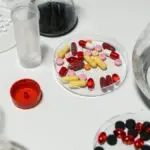
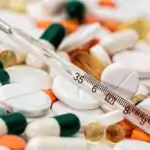
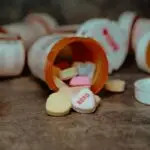
- Pictures or illustrations of different types of drugs
Rationale for the Lesson
understanding the different categories of drugs is crucial for making safe and healthy choices. This lesson provides a foundation for future lessons on health and safety.
Prerequisite/Previous Knowledge
The teacher will begin by asking pupils what they know about medicines and substances they see around them. A brief discussion will follow, leading into the lesson’s topic.
Lesson Content
Categories Of Drugs
What are the Categories of Drugs?
Drugs are substances affecting our bodies and minds. Understanding the different types is crucial for making safe choices.
Medicinal Drugs
Medicinal drugs are prescribed by doctors to help us when we’re sick. They treat specific illnesses.
Examples are:
1. antibiotics
2. Painkillers
3. Vitamins
4. Antimalarials
5. Cough syrups
Recreational Drugs
Recreational drugs are substances used for fun. They’re generally safe in moderation and aren’t for treating medical conditions.
These include:
1.Chocolate
2. Ice cream
3. Chewing gum
4. Sweets
5. Biscuits
Harmful Drugs
Harmful drugs are dangerous and unhealthy substances. They can cause serious harm and should be avoided.Examples are:
1. Strong medicines misused
2. Illegal substances
3. Some household chemicals
4. tobacco
5. Alcohol
Avoiding harmful drugs is crucial for health.
Teaching Methods
To deliver this lesson, the teacher will adopt the following methods: Discussion, Question and answer, Visual aids
Instructional Procedures
To deliver this lesson, the teacher will adopt the following steps:
Step 1: Introduction
Time: 5 minutes
Teaching Skill: Set Induction
Teacher’s Activity: Asks pupils what they know about medicines and different substances.
Pupils’ Activity: Respond to the teacher’s questions and share their prior knowledge.
Step 2: Description of Key Concepts
Time: 15 minutes
Teaching Skill: Explanation
Teacher’s Activity: Explains the three main categories of drugs: medicinal, recreational, and harmful, providing examples of each.
Pupils’ Activity: Listen attentively and ask clarifying questions.
Step 3: Presentation/Guided Practice
Time: 10 minutes
Teaching Skill: Modeling
Teacher’s activity: Shows pictures or illustrations of different drugs and categorizes them with the pupils.
Pupils’ Activity: Participate in categorizing the drugs and offer their own examples.
Step 4: Independent Practice
Time: 5 minutes
Teaching Skill: Application
Teacher’s Activity: Asks pupils to answer evaluation questions individually.
Pupils’ Activity: Answer the evaluation questions independently.
Step 5: Note-Taking
Time: 2 minutes
Teaching Skill: Note-taking
Teacher’s Activity: Guides pupils in summarizing key points.
Pupils’ Activity: Write down key points in their notebooks.
Step 6: Evaluation/Review
Time: 3 minutes
Teaching Skill: Review
Teacher’s Activity: Reviews the lesson’s key concepts and answers pupils’ questions.
Pupils’ Activity: Participate in the review and ask questions.
Objective-aligned checks:
- Identify the different categories of drugs.
- Explain the importance of safe drug use.
- Show an understanding of the importance of safe drug choices.
Step 7: Conclusion
Time: 2 minutes
Teaching Skill: Closure
Teacher’s Activity: Summarizes the key points about the three categories of drugs and emphasizes the importance of making safe and healthy choices regarding drug use.Pupils’ Activity: Listen to the summary and ask any remaining questions.
Lesson Keywords
- Medicinal Drugs – Medicines prescribed by doctors to treat illnesses.
- Recreational Drugs – substances used for fun and enjoyment.
- Harmful Drugs – Dangerous substances that can cause serious health problems.
- substances – materials or things that have specific properties.
- Categories – Groups or types of things that share similar characteristics.
Lesson Evaluation
To evaluate the learning, the teacher asks pupils to:
1. Name one example of a medicinal drug.
2. What is the purpose of recreational drugs?
3. Why should we avoid harmful drugs?
4. Can you think of any other examples of each category of drugs?
5. What are some ways we can stay safe from harmful drugs?
Assignment/Homework
1. List three examples of medicinal drugs and their uses.
2. Name two recreational drugs that are safe in moderation.
3. Explain why harmful drugs should be avoided and give three examples.
Differentiation
- For slower learners: Provide one-on-one assistance and use simpler language.
- For advanced learners: Encourage them to research and present additional examples of each drug category.
- For visual/auditory/kinesthetic learners: Use visual aids, discussions, and hands-on activities to cater to different learning styles.
Note for Teachers
Ensure to use real-life examples and visual aids to make the lesson engaging and understandable for the pupils.Emphasize the importance of making safe and healthy choices regarding drug use.
Community Join the conversation Open discussion +