

Class: Primary one
Term: Second Term
Subject: National Values Education
Curriculum Theme: Social Studies
Previous Lesson: Reasons For Taking Substance Into The Body, Imitation, Curiosity, Availablity
Topic: Effects of Taking Substances Into The Body
Content/Learning area: Stomach pain, vomiting, dizziness, tiredness, rashes, headaches
Time Allocation: 40 minutes
Performance Objectives
By the end of the lesson, pupils should be able to:
- Cognitive Domain:
1. Identify six effects of taking harmful substances into the body.
- Affective Domain:
1. Demonstrate awareness of the need to avoid harmful substances.
- Psychomotor Domain:
1.Illustrate an example of a harmful substance and its effect using role-play or drawings.
- social Domain:
1. Discuss with peers why it is indeed essential to say “no” to harmful substances.
Reference Materials
- 9–Years Basic Education curriculum
- Abuja Educational Resource Center Scheme of Work
- NAPPS National Unified Scheme of work
- Online Facts from: MedicalNewsToday – Physical and mental effects of drug abuse
- Relevant Textbooks
Instructional materials
To deliver this lesson, the teacher will use the following materials:
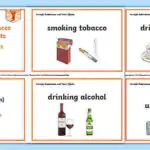
- Flashcards showing effects like stomach pain and vomiting.
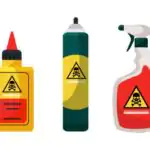
- Pictures of harmful substances (medicine bottles, cleaning agents, etc.).
- A chart summarizing the effects of harmful substances.
- A whiteboard and markers for illustrations.
Rationale for the Lesson
This lesson is crucial for pupils’ safety and well-being. Understanding the consequences of ingesting harmful substances empowers them to make informed choices and protect themselves from potential harm.
Prerequisite/Previous Knowledge
The teacher begins by asking pupils if they’ve ever felt sick after eating or drinking something.A brief discussion follows,leading into the lesson’s topic: the effects of taking substances into the body.
lesson Content
Effects Of taking Substances Into The Body
Taking harmful substances into the body can have several negative effects. The following are examples:
- stomach pain: This can cause a strong, uncomfortable feeling in your tummy.
- Vomiting: You might feel sick and need to throw up.
- Dizziness: Your head might spin,making you feel unsteady.
- Tiredness: You could feel very sleepy and weak.
- Rashes: Your skin might become red and itchy.
- Headaches: You might experience pain or a heavy feeling in your head.
- Breathing Difficulties: This can make it hard to breathe normally,causing shortness of breath.
- Muscle Weakness: You may feel a loss of strength in your muscles,making it hard to move or do activities.
- Confusion: This can make it difficult to think clearly or understand what is happening around you.
teaching Methods
To deliver this lesson, the teacher will adopt the following methods: Storytelling, Visual Aids, class Discussion, Role-playing, Note-taking, and Oral assessment.
Instructional Procedures
To deliver this lesson,the teacher will adopt the following steps:
Step 1: Introduction
Time: 5 mins
Teaching Skill: Set induction
Teacher’s Activity: Narrates a story about a child who felt sick after drinking an unknown liquid.
Pupils’ Activity: Listen attentively and respond to questions.
Learning Point: Pupils understand that some substances can harm their bodies.
Step 2: Explaining Effects
Time: 10 mins
Teaching Skill: Expository
Teacher’s Activity: Explains six effects of harmful substances with flashcards.
Pupils’ Activity: Observe the flashcards and ask questions.
Learning Point: Pupils recognize the effects of harmful substances.
Step 3: Class Discussion
Time: 7 mins
Teaching Skill: Interactive
Teacher’s activity: Leads a discussion on how to avoid harmful substances.Pupils’ Activity: Contribute ideas and share experiences.
Learning Point: pupils learn ways to prevent harm.
Step 4: Role-play Activity
Time: 7 mins
Teaching Skill: Experiential
Teacher’s Activity: Guides pupils in acting out scenarios involving harmful substances and their effects.
Pupils’ Activity: Participate in role-play activity.
Learning Point: Pupils demonstrate understanding thru acting.
Step 5: Note-Taking
Time: 5 mins
Teaching Skill: Note-taking
Teacher’s Activity: Writes key points on the board and asks pupils to copy.
Pupils’ Activity: Copy notes into their books.
Learning Point: Pupils retain key data.
Step 6: Evaluation
Time: 5 mins
Teaching Skill: Questioning
Teacher’s Activity: Asks evaluative questions based on the topic.
Pupils’ Activity: Answer questions orally.
Learning Point: Pupils’ comprehension is tested.
Objective-aligned checks:
- Identify six effects of taking harmful substances into the body.
- Demonstrate awareness of the need to avoid harmful substances.
Step 7: Conclusion
Time: 1 min
Teaching Skill: Summarization
Teacher’s Activity: Summarizes the lesson and gives a take-home message.
Pupils’ Activity: Listen and reflect on the summary.
Learning Point: Pupils recall essential points from the lesson.
Lesson Keywords
- Substances – Materials that can affect the body.
- Harmful – Something that can cause damage or illness.
- Effects – The results or changes caused by something.
- Vomiting – Throwing up food or liquid from the stomach.
- Dizziness – Feeling unsteady or like the room is spinning.
- Rashes – Red, itchy spots on the skin.
lesson Evaluation
To evaluate the learning, the teacher asks pupils to:
- Name three effects of taking harmful substances.
- Share one way to avoid taking harmful substances.
- Role-play a situation where someone says “no” to harmful substances.
Assignment/Homework
- Draw a picture of a harmful substance and write one sentence about its effect.
- Ask a family member about the importance of not taking unknown substances.
Differentiation
- For slower learners: Provide one-on-one assistance and use simpler language.
- For advanced learners: Challenge them to research additional effects of harmful substances.
- For visual/auditory/kinesthetic learners: Use visual aids, verbal explanations, and hands-on activities like role-playing.
Note for Teachers
To ensure effective teaching, use real-life examples and visual aids to illustrate the effects of harmful substances. Encourage pupils to ask questions and share their experiences in a safe and supportive habitat.


Community Join the conversation Open discussion +