

class: Primary Three
Term: Second Term
Subject: Pre-vocational Studies
Curriculum Theme: Agricultural Science
Previous Lesson: Meaning And Examples Of Mineral Salt
Topic: Uses Of Vitamins And Minerals
Content/Learning Area: What are Vitamins and Minerals, Some of the major vitamins and minerals include, importance Of including Vitamins And Minerals In Our Diet
time Allocation: 40 minutes
Performance Objectives
By the end of the lesson, pupils should be able to:
- Cognitive Domain:
- List two uses of vitamins and minerals to the human body.
- Recognize the importance of incorporating vitamins and minerals into their diet.
- Affective Domain:
- Show interest in learning about the importance of vitamins and minerals.
- Appreciate the role of a balanced diet in maintaining good health.
- Psychomotor Domain:
- Participate actively in group discussions.
- Complete assigned tasks related to identifying sources of vitamins and minerals.
- Social Domain:
- Collaborate in a group activity to identify and share facts about the uses of vitamins and minerals.
- Respect diverse opinions during group discussions.
Reference materials
- 9 – Years Basic Education Curriculum
- Abuja Educational Resource Center Scheme of Work
- NAPPS National Unified Scheme of Work
- Relevant Textbooks
instructional Materials
To deliver this lesson, the teacher will use the following materials:
- Whiteboard or chart paper
- Markers or crayons
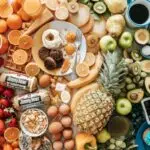
- Pictures or illustrations of fruits and vegetables
- Relevant textbooks
Rationale for the Lesson
Understanding the uses of vitamins and minerals is crucial for maintaining good health. This lesson provides a foundation for future learning about nutrition and healthy eating habits, promoting lifelong well-being.
Prerequisite/Previous Knowledge
Pupils have prior knowledge of different food groups and the importance of a balanced diet.
Lesson Content
what are Vitamins and Minerals?
Vitamins and minerals are essential nutrients our bodies need to work correctly. They’re found in many foods, especially fruits and vegetables. Vitamins are organic compounds needed in small amounts, while minerals are inorganic substances also needed in small amounts.
some of the Major Vitamins and Minerals
Vitamins and minerals are essential for various bodily functions. Examples are:
- Vitamin A: Good for vision, healthy skin, and a strong immune system. Found in carrots, sweet potatoes, and spinach.
- Vitamin C: Helps fight infections and aids healing. Found in oranges, lemons, and strawberries.
- Vitamin D: Helps the body absorb calcium for strong bones. Found in fatty fish, eggs, and fortified milk.
- Vitamin E: Acts as an antioxidant, protecting cells from damage. found in nuts,seeds,and vegetable oils.
- Vitamin K: Important for blood clotting and bone health. Found in leafy green vegetables, broccoli, and Brussels sprouts.
- Calcium: Essential for strong bones and teeth. Found in dairy products, leafy green vegetables, and fortified foods.
- Iron: Helps carry oxygen in the blood. Found in red meat, beans, and spinach.
- Potassium: Helps regulate blood pressure and muscle function. Found in bananas, potatoes, and avocados.
- Zinc: Supports immune function and wound healing. Found in meat, poultry, and nuts.
- Magnesium: critically important for muscle and nerve function, blood sugar control, and bone health. Found in leafy green vegetables, nuts, and whole grains.
Importance of Including Vitamins and Minerals in Our Diet
Including vitamins and minerals in our diet is critically important for several reasons:
- Nutrient absorption: They help our bodies absorb nutrients from food.
- Growth and development: They’re essential for proper growth and development.
- Disease prevention: They boost our immune system and protect us from illness.
- Energy production: Some help our bodies produce energy.
- Cell function: They support the proper functioning of cells.
- Maintaining healthy skin and hair: Certain vitamins and minerals contribute to healthy skin and hair.
- Supporting cognitive function: Some vitamins and minerals are essential for brain health and cognitive function.
- Regulating body processes: they help regulate various body processes,such as blood pressure and heart rate.
Teaching Methods
to deliver this lesson, the teacher will adopt the following methods: Discussion, Group work, Question and answer
Instructional Procedures
To deliver this lesson, the teacher will adopt the following steps:
Step 1: Introduction
Time: 5 minutes
Teaching Skill: Set Induction
Teacher’s Activity: Asks pupils what they ate for breakfast and initiates a discussion about healthy foods.
pupils’ Activity: Share their breakfast choices and participate in the discussion.
Step 2: Explanation of Key Concepts
Time: 10 minutes
Teaching Skill: Explanation
Teacher’s Activity: Explains what vitamins and minerals are and their importance.
Pupils’ Activity: Listen attentively and ask clarifying questions.
Step 3: Presentation/Guided Practise
Time: 10 minutes
Teaching Skill: Demonstration
Teacher’s Activity: shows pictures of foods rich in vitamins and minerals and explains their benefits.
Pupils’ Activity: Observe and identify the foods.
Step 4: Self-Reliant Practice
Time: 5 minutes
Teaching Skill: Guided Practice
Teacher’s Activity: Guides pupils in a group activity to identify and share information about vitamins and minerals.
Pupils’ Activity: Work in groups to complete the activity.
Step 5: Note-Taking
Time: 5 minutes
Teaching Skill: Note-Taking
Teacher’s Activity: Guides pupils in taking notes on key concepts.
Pupils’ activity: Write down crucial information.
Step 6: Evaluation/Review
Time: 5 minutes
Teaching Skill: Questioning
Teacher’s Activity: Asks review questions to assess understanding.
Pupils’ Activity: Answer the questions.
Objective-aligned checks:
- List two uses of vitamins and minerals to the human body.
- Collaborate in a group activity to identify and share facts about the uses of vitamins and minerals.
step 7: Conclusion
Time: 2 minutes
Teaching skill: Summarizing
Teacher’s Activity: Summarizes the key points about the importance of vitamins and minerals and encourages pupils to eat a balanced diet rich in fruits and vegetables.
Pupils’ Activity: Listen attentively and ask any remaining questions.
Lesson Keywords
- Vitamins – Organic compounds needed in small amounts for various bodily functions.
- Minerals – Inorganic substances needed in small amounts for various bodily functions.
- Nutrients – Substances that provide nourishment essential for growth and the maintenance of life.
- Balanced Diet – A diet that contains the proper proportions of carbohydrates, fats, proteins, vitamins, minerals, and water necessary to maintain good health.
- Immune System – The body’s defense system against infections and diseases.
Lesson Evaluation
To evaluate the learning,the teacher asks pupils to:
- Why are vitamins and minerals critically important for our bodies?
- Name two uses of vitamins and minerals found in vegetables and fruits.
- What are some examples of foods that are good sources of vitamins and minerals?
- Why is it important to eat a balanced diet that includes fruits and vegetables?
- How can we make sure we are getting enough vitamins and minerals?
Assignment/Homework
- List five different fruits and vegetables and identify the vitamins and minerals they contain.
- explain why it is important to eat a variety of foods.
- Research and write a short paragraph on a specific vitamin or mineral and its benefits to the body.
Differentiation
- For slower learners: Provide one-on-one assistance and simplified explanations. Use visual aids and real-life examples to reinforce understanding.
- For advanced learners: Encourage them to research additional vitamins and minerals and their sources. Challenge them to create a meal plan that includes a variety of nutrient-rich foods.
- For visual/auditory/kinesthetic learners: Use pictures, videos, and hands-on activities to engage different learning styles. Allow pupils to move around and participate in interactive games to reinforce learning.
Note for Teachers
Ensure to use local examples of fruits and vegetables that pupils are familiar with. Encourage pupils to share their own experiences with healthy eating and to ask questions. Emphasize the importance of a balanced diet and regular exercise for overall health and well-being.


Community Join the conversation Open discussion +