

Class: Primary Three
Term: Second Term
Subject: Pre-vocational Studies
Curriculum Theme: Agricultural Science
Previous Lesson: Meaning, Examples and Importance of Plant Protein
topic: Fruit And Vegetables (Vitamins)
Content/Learning Area: What are fruits?, Examples of Fruits, What are Vegetables?, examples of Vegetables, Importance of Including Fruit And Vegetables In Our Diet
Time Allocation: 40 minutes
Performance Objectives
By the end of the lesson, pupils should be able to:
- Cognitive Domain:
1. Define fruit and vegetables.
2. List examples of fruits and vegetables.
3. Explain the importance of fruits and vegetables in a healthy diet.
4. Identify vitamins found in fruits and vegetables.
- Psychomotor Domain:
1. Identify fruits and vegetables from pictures or real objects.
- Affective Domain:
1. express appreciation for the importance of including fruits and vegetables in their diet.
- Social Domain:
1. Participate actively in class discussions.
Reference Materials
- 9 – Years Basic Education Curriculum
- abuja Educational Resource Center Scheme of Work
- NAPPS National Unified Scheme of Work
- Relevant Textbooks
Instructional Materials
To deliver this lesson, the teacher will employ the help of the following materials:
- Charts showing different fruits and vegetables
- Real examples of fruits and vegetables (if possible)
- Whiteboard or chart paper
- Markers
Rationale for the Lesson
This lesson is crucial for establishing healthy eating habits from a young age. Understanding the nutritional value of fruits and vegetables will benefit pupils’ health and well-being throughout their lives.This knowledge will also support future lessons on nutrition and healthy lifestyles.
Prerequisite/Previous Knowledge
The teacher will start by asking pupils what thay ate for breakfast. The teacher will then ask if anyone ate any fruits or vegetables. This will lead into a discussion about the importance of fruits and vegetables.
Lesson Content
What are Fruits?
A fruit is the part of a plant that contains seeds. Fruits are usually sweet and juicy, and they come in many different shapes, sizes, and colors. Fruits provide essential nutrients for the body.
Examples of Fruits
the following are examples of fruits:
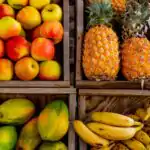
- Apples
- Bananas
- Oranges
- Grapes
- Watermelons
- Strawberries
- Mangoes
- Pineapples
- Pawpaw
- Guava
What are Vegetables?
Vegetables are the edible parts of plants, such as leaves, stems, roots, and flowers. Vegetables are usually savory and can be eaten raw or cooked. Like fruits, they contain essential nutrients for the body.
Examples of Vegetables
These include:
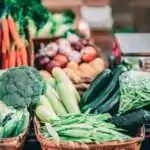
- Carrots
- Broccoli
- Spinach
- Tomatoes
- Cucumbers
- Green beans
- Potatoes
- Onions
- Cabbage
- Lettuce
Importance of Including Fruit and Vegetables In Our Diet
Fruits and vegetables are essential for maintaining a healthy body and preventing diseases.
These include:
- Nutrient Rich: Fruits and vegetables are full of crucial vitamins, minerals, and antioxidants.
- Disease Prevention: Eating lots of fruits and vegetables can help prevent some illnesses.
- Digestive Health: They help our bodies digest food properly.
- Weight Management: They help us feel full and satisfied, which is good for maintaining a healthy weight.
- Improved Skin Health: The vitamins and antioxidants in fruits and vegetables contribute to healthy and glowing skin.
- Boosted Immunity: Regular consumption of fruits and vegetables strengthens the immune system, helping the body fight off infections.
Teaching Methods
To deliver this lesson, the teacher will adopt the following methods: Discussion, Question and answer, Visual aids
Instructional Procedures
To deliver this lesson, the teacher will adopt the following steps:
Step 1: Introduction
Time: 5 minutes
Teaching Skill: Set induction
Teacher’s Activity: Ask pupils what they know about fruits and vegetables.
Pupils’ Activity: Respond to the teacher’s questions.
step 2: Clarification of Key Concepts
Time: 10 minutes
Teaching Skill: explaining
Teacher’s Activity: Define fruits and vegetables, highlighting their nutritional benefits.
Pupils’ Activity: Listen attentively and take notes.
Step 3: Presentation/Guided Practice
Time: 10 minutes
teaching Skill: Demonstrating
Teacher’s Activity: Show pictures or real examples of fruits and vegetables. Ask pupils to identify them and list their nutritional benefits.
Pupils’ Activity: Participate in identifying fruits and vegetables and listing their benefits.
Step 4: Independent Practice
Time: 5 minutes
Teaching Skill: Monitoring
Teacher’s Activity: Give pupils a short activity to list examples of fruits and vegetables.
Pupils’ Activity: Complete the activity independently.
Step 5: Note-Taking
Time: 5 minutes
Teaching Skill: Guiding
Teacher’s Activity: Guide pupils in summarizing key points of the lesson.
Pupils’ Activity: Take notes on the key points.
Step 6: Evaluation/Review
Time: 5 minutes
Teaching Skill: questioning
Teacher’s Activity: Ask evaluation questions to assess understanding.
Pupils’ Activity: Answer the evaluation questions.
Objective-aligned checks:
- Define fruit and vegetables.
- List examples of fruits and vegetables.
- Explain the importance of fruits and vegetables in a healthy diet.
Step 7: conclusion
Time: 5 minutes
Teaching Skill: summarizing
Teacher’s Activity: Summarize the key points about fruits and vegetables and their importance in a healthy diet. encourage pupils to eat a variety of fruits and vegetables every day.
Pupils’ Activity: Listen attentively and ask questions for clarification.
Lesson Keywords
- fruits – The part of a plant that contains seeds, often sweet and juicy.
- Vegetables – Edible parts of plants, such as leaves, stems, or roots.
- vitamins – Essential nutrients found in fruits and vegetables that support bodily functions.
- Minerals – Inorganic substances that are critically important for various bodily functions.
- Nutrients – Substances that provide nourishment essential for growth and the maintainance of life.
- Diet – The kinds of food that a person, animal, or community habitually eats.
Lesson Evaluation
To evaluate the learning, the teacher asks pupils to:
- Name two examples of fruits.
- What is a vegetable?
- Why are vegetables important for our health?
- what are some vitamins found in fruits and vegetables?
- Name a fruit rich in Vitamin C.
Assignment/Homework
- List five different fruits you can find in your local market.
- Name three vegetables that are green in color.
- Write a short paragraph explaining why it is important to eat fruits and vegetables every day.
Differentiation
- For slower learners: Provide one-on-one assistance and use simpler language.
- For advanced learners: Encourage them to research additional fruits and vegetables and their nutritional benefits.
- For visual/auditory/kinesthetic learners: Use colorful charts, real examples, and hands-on activities to engage different learning styles.
Note for Teachers
Ensure to bring real examples of fruits and vegetables to class to make the lesson more engaging. Encourage pupils to share their favorite fruits and vegetables and explain why they like them. Emphasize the importance of washing fruits and vegetables before eating them to remove dirt and germs.

Community Join the conversation Open discussion +