

Class: Primary Three
Term: second Term
Subject: Pre-vocational Studies
Curriculum Theme: Agricultural Science
Previous Lesson:
Topic: Energy Giving Food
Content/Learning Area: What is Carbohydrates?, Examples Of Carbohydrates
Time Allocation: 40 minutes
Performance Objectives
By the end of the lesson, pupils should be able to:
- Cognitive Domain:
1. Define energy-giving food and list three examples of carbohydrates.
2. Identify and differentiate between carbohydrate-rich foods.
- Psychomotor Domain:
1. Participate in group discussions about the significance of energy-giving food.
- Affective domain:
1. express the importance of including carbohydrates in their diet.
- Social Domain:
1. Participate actively in class discussions.
reference Materials
- 9 – Years Basic Education Curriculum
- Abuja educational Resource Center Scheme of Work
- NAPPS National Unified Scheme of Work
- Relevant Textbooks
Instructional Materials
To deliver this lesson, the teacher will use a whiteboard or chart paper, markers, and relevant pictures of carbohydrate-rich foods.
Rationale for the Lesson
Understanding energy-giving foods is crucial for pupils’ health and well-being. This lesson lays the foundation for future learning about nutrition and healthy eating habits.
Prerequisite/previous Knowledge
The teacher will start by asking pupils what they ate for breakfast.This will lead into a discussion about the energy needed for daily activities, setting the stage for learning about energy-giving foods.
Lesson content
Energy Giving Food
Energy-giving foods provide the body with the energy it needs for activities.
What is Carbohydrates?
Carbohydrates are nutrients that give the body energy. They are made of carbon, hydrogen, and oxygen and are found in many foods.
Examples Of Carbohydrates
Carbohydrates are essential nutrients that provide the body with energy. They are found in a variety of foods. Examples are:
- Bread: Made from wheat flour, a main source of carbohydrates.
- Rice: A grain, a main food for many, rich in carbohydrates.
- Potatoes: A starchy vegetable, a good source of carbohydrates.
- Pasta: Made from wheat and other grains, carbohydrate-rich.
- Bananas: A fruit with natural sugars and carbohydrates, for swift energy.
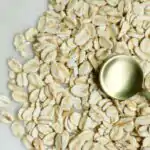
- Oats: A whole grain,a good source of carbohydrates,fiber,and nutrients.
- Corn: A grain eaten in many ways, like corn on the cob or cornmeal.
- Yam: A starchy tuber, a staple food in many Nigerian homes, rich in carbohydrates.
- Plantain: A fruit that is often cooked as a vegetable, providing a good source of carbohydrates.
- sorghum: A grain widely consumed in Northern nigeria, offering a ample amount of carbohydrates.
Teaching Methods
to deliver this lesson, the teacher will adopt the following methods: Discussion,question and Answer,and Group Work.
Instructional Procedures
To deliver this lesson, the teacher will adopt the following steps:
Step 1: Introduction
Time: 5 minutes
Teaching Skill: Set Induction
TeacherS Activity: Asks pupils what they ate for breakfast and how it made them feel.
Pupils’ Activity: Respond to the teacher’s questions.
Step 2: Explanation of Key Concepts
Time: 10 minutes
Teaching skill: Explaining
Teacher’s Activity: Explains the concept of energy-giving foods and introduces carbohydrates.
pupils’ Activity: Listen attentively and ask clarifying questions.
Step 3: Exhibition/Guided Practice
Time: 10 minutes
Teaching Skill: Demonstrating
Teacher’s Activity: Shows pictures of carbohydrate-rich foods and discusses their nutritional value.
Pupils’ Activity: Identify and name the foods shown.
Step 4: Independant Practice
Time: 5 minutes
Teaching Skill: Monitoring
Teacher’s activity: Guides pupils in listing examples of carbohydrate-rich foods.
Pupils’ Activity: List examples of carbohydrate-rich foods individually.
Step 5: Note-taking
Time: 5 minutes
Teaching Skill: Note-taking
Teacher’s Activity: Guides pupils in taking notes on key concepts.
Pupils’ Activity: Write down key points in their notebooks.
Step 6: Evaluation/review
Time: 5 minutes
Teaching Skill: Questioning
Teacher’s Activity: asks review questions to assess understanding.
Pupils’ Activity: Answer the review questions.
Objective-aligned checks:
- Define energy-giving food and list three examples of carbohydrates.
- Identify and differentiate between carbohydrate-rich foods.
Step 7: Conclusion
Time: 5 minutes
Teaching Skill: Summarizing
Teacher’s Activity: summarizes the key concepts of the lesson.
Pupils’ Activity: Listen to the summary and ask any remaining questions.
Lesson Keywords
- Carbohydrates – Nutrients that provide the body with energy.
- Energy-giving foods – Foods that supply the body with the energy needed for activities.
- Nutrients – Substances that provide nourishment essential for growth and the maintenance of life.
- Starch – A type of carbohydrate found in foods like potatoes and rice.
- Glucose – A simple sugar that is the main source of energy for the body.
Lesson Evaluation
To evaluate the learning, the teacher asks pupils to:
- What are carbohydrates?
- Name three carbohydrate-rich foods.
- Why are carbohydrates meaningful?
- What are some other energy-giving foods?
- How do carbohydrates help our bodies?
Assignment/Homework
- List five more examples of carbohydrate-rich foods you eat regularly.
- Explain why it is important to include carbohydrates in your diet.
- research and write down three different types of carbohydrates and where they are found.
differentiation
- For slower learners: Provide one-on-one assistance and use simpler language.
- For advanced learners: Encourage them to research other examples of carbohydrate-rich foods and their nutritional benefits.
- For visual/auditory/kinesthetic learners: Use visual aids, discussions, and hands-on activities to cater to different learning styles.
Note for Teachers
Ensure to use real-life examples and visual aids to make the lesson engaging and relatable for the pupils.Encourage active participation and provide constructive feedback to reinforce learning.



Community Join the conversation Open discussion +