

Class: Primary 4
Term: 3rd Term
Subject: Pre-Vocational Studies
Curriculum Theme: Home Economics
Previous Lesson: Reasons For Eating Food
Topic: Classes Of Food Nutrients And Their Sources
Content/Learning Area: Classes of food nutrients and sources e.g. carbohydrate. Source: Yam, rice, etc……………
Time Allocation: 40 minutes
Performance Objectives
By the end of the lesson, pupils should be able to:
- Cognitive Domain: List the different classes of food nutrients and give examples of their sources
- Affective domain: Appreciate the importance of eating balanced meals with different classes of food
- Psychomotor Domain: Group food items into their correct nutrient classes
- Social domain: Work cooperatively in group discussions about food and nutrition
Reference Materials
The following resources were used in planning this lesson:
- 9 Years Basic Education Curriculum
- abuja Educational Resource Center Scheme of Work
- NAPPS National Unified Scheme of Work
- Relevant Textbooks
Instructional Materials
To deliver this lesson, the teacher will employ the help of the following materials:
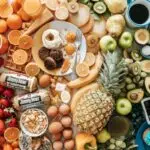
- Real food items (yam, beans, eggs, fruits, oil, fish)
- Food charts and nutrient posters
- Flashcards
- Paper and markers for group activities
- Whiteboard and markers
Rationale for the Lesson
Understanding the different classes of food nutrients helps children know what to eat for good health and proper growth.
Prerequisite/Previous Knowledge
Pupils have learned about food and can mention some examples of food they eat daily.
Lesson Content
Classes Of Food Nutrients and Their Sources
Food gives the body energy to work and grow.There are different types of food,and each type does a special job in the body. These types are called classes of food nutrients.
Carbohydrates: Carbohydrates give energy to the body. We eat them every day. The following are sources of carbohydrates:
- Yam
- Rice
- Bread
- Maize
- Cassava
- Potatoes
- Plantain
Proteins: Proteins help the body grow and repair itself. These include:
- Eggs
- Beans
- Fish
- Meat
- Milk
- Chicken
- Groundnuts
Fats and Oils: Fats and oils give extra energy and help keep the body warm. Examples are:
- Groundnut
- Palm oil
- Butter
- Coconut
- Red oil
- Margarine
- Avocado
Vitamins: Vitamins help the body fight sickness and stay healthy. They are:
- Orange
- Carrot
- Mango
- Tomato
- Banana
- Pawpaw
- Pineapple
Minerals: Minerals help the body stay strong and work well. These include:
- Salt
- Milk
- Fish
- Eggs
- Vegetables
- Liver
- Spinach
Water: Water helps to keep the body fresh and clean inside. Examples are:
- Drinking water
- Fruits
- Vegetables
- Soups
- Juices
- Tea
- Pap
Teaching Methods
To deliver this lesson, the teacher will adopt the following methods: Discussion, lecture, storytelling, explanation, visual aids, group work
Instructional Procedures
to deliver this lesson, the teacher will adopt the following steps:
Step 1: Introduction
Time: 5 mins
Teaching Skill: Set Induction
Teacher’s Activity: Tells a story about a child who was always tired and got sick often. asks pupils what food they think the child ate.
Pupils’ Activity: Answer and give ideas based on the story
step 2: Meaning of Nutrients
Time: 5 mins
Teaching skill: Explanation
Teacher’s Activity: Explains what nutrients are and why the body needs them. Uses food charts.Pupils’ Activity: listen and observe the food chart
Step 3: Carbohydrates and Proteins
Time: 8 mins
Teaching Skill: Demonstration
teacher’s Activity: Shows real samples of yam and beans. Explains their nutrient classes and uses.
Pupils’ Activity: Identify and name each sample
Step 4: Fats, Vitamins, Minerals
Time: 7 mins
Teaching Skill: Visual Aids
Teacher’s Activity: Displays images and flashcards of fruits, vegetables, and oils. Explains sources.
Pupils’ Activity: Match flashcards to food items shown
Step 5: Water as a Nutrient
Time: 3 mins
Teaching skill: Storytelling
Teacher’s Activity: Shares a short story of a girl who got better after drinking water and eating fruit
Pupils’ Activity: Share their own experience with drinking water
Step 6: Note-Taking
Time: 3 mins
Teaching Skill: Guided Writing
Teacher’s Activity: Guides pupils to copy a short table showing each nutrient class, its main function and two local food sources.
Pupils’ Activity: Copy the summary accurately.
Step 7: Evaluation/Review
Time: 5 mins
- Name the six nutrient groups taught in this lesson.
- Give two sources of carbohydrates.
- State one function of protein.
- Name two foods that can supply vitamins or minerals.
- Why does the body need water?
Step 8: Conclusion
Time: 2 mins
Teacher’s Activity: Summarises that different foods provide different nutrients and that meals should include a variety of food groups.
Pupils’ Activity: Mention one food from each nutrient group.
Lesson Keywords
- Nutrient – A useful substance in food that the body needs.
- Carbohydrate – A major source of energy.
- Protein – Helps growth and repair of body tissues.
- Vitamins and minerals – Help the body function properly and stay healthy.
- Water – Supports digestion, transport and temperature control in the body.
Lesson Evaluation
Pupils sort familiar Nigerian foods into nutrient groups and explain one main function of each group.
Assignment/Homework
Draw or list one meal eaten at home. Identify at least three nutrient groups supplied by the foods in the meal.
Differentiation
Use real foods or picture cards for pupils who need support. Ask advanced learners to explain why one food can sometimes provide more than one nutrient.
Note for Teachers
Avoid teaching that every food belongs to only one nutrient class. Many foods contain several nutrients; classroom grouping highlights the nutrient for which the food is a useful source.

Community Join the conversation Open discussion +