

Class: Primary One
Term: Second Term
Subject: Pre-vocational Studies
Curriculum Theme: Home Economics
Previous Lesson: Care of the Eyes
Topic: Definition Of The Home
Content/Learning Area: Definition Of The Home, Parts of a Home
Time Allocation: 40 minutes
Performance Objectives
by the end of the lesson, pupils should be able to:
- Cognitive Domain:
– Define a home and list the different parts of a home.
- Affective Domain:
– Appreciate the importance of having a well-organized home.
- Psychomotor Domain:
– Identify and point to pictures of different parts of a home.
- Social Domain:
– Discuss with peers why each part of the home is critically vital.
Reference Materials
- 9 – Years Basic Education Curriculum
- Abuja educational Resource Center Scheme of Work
- NAPPS National Unified Scheme of Work
- Online Details from: Merriam-Webster – Home Definition & Meaning
- Relevant Textbooks
Instructional Materials
To deliver this lesson, the teacher will use the following materials:
- Flashcards showing parts of a home
- Charts of a simple house layout
- Pictures of rooms and their uses
- A toy model of a house
Rationale for the Lesson
Understanding the concept of “home” helps pupils appreciate their living space and the importance of keeping it clean and organized. This foundational knowledge is crucial for future lessons on home management and hygiene.
Prerequisite/Previous Knowledge
Pupils are familiar with the concept of a house and the place where they live.
Lesson Content
Definition of The Home
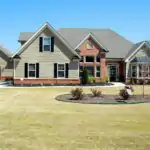
A home is a place where we live, rest, eat, and sleep. It provides shelter and comfort to everyone.
Parts of a Home
A home is typically divided into different parts, each serving a specific function. These include:
The following are examples of parts of a home:
- Bedroom: A room for sleeping and resting.
- Kitchen: A room for cooking and preparing food.
- Living Room: A room for relaxing and entertaining guests.
- Bathroom: A room for personal hygiene activities like bathing and using the toilet.
- Dining Room: A room for eating meals with family and guests.
- Store Room: A room for keeping items that are not needed regularly.
- Toilet: A room for urinating and defecating.
Each part of the home has a specific purpose, and keeping it clean helps everyone stay healthy and happy.
Teaching Methods
To deliver this lesson, the teacher will adopt the following methods: Discussion, Presentation, Guided Practice, Explanation.
Instructional Procedures
To deliver this lesson, the teacher will adopt the following steps:
Step 1: Introduction (set Induction)
Time: 5 mins
Teaching Skill: Set induction
Teacher’s Activity: The teacher asks pupils what a home is and where they live.Pupils’ Activity: Pupils respond and share their ideas.
Learning Point: Pupils connect the lesson to their everyday life.
Step 2: Description of Key Concepts
Time: 10 mins
Teaching Skill: discussion
Teacher’s Activity: The teacher explains what a home is and shows a chart of a house layout.
Pupils’ Activity: Pupils observe and listen attentively.
Learning Point: Pupils understand the definition and parts of a home.
Step 3: Exhibition/Guided Practice
Time: 8 mins
Teaching Skill: guided practice
Teacher’s Activity: The teacher uses flashcards and pictures to identify rooms (e.g., bedroom, kitchen).
Pupils’ Activity: Pupils identify and repeat the names.
Learning Point: pupils recognize the parts of a home visually.
Step 4: Autonomous Practice
Time: 7 mins
Teaching Skill: Explanation
Teacher’s Activity: The teacher writes a short note on the board and explains further.
Pupils’ activity: Pupils copy the note into their books.
Learning Point: Pupils consolidate their understanding through writing.
Step 5: Note-Taking
Step 6: Evaluation/Review
Time: 5 mins
Teaching Skill: Assessment
Teacher’s Activity: The teacher asks pupils to describe their homes and what they do in each room.
Pupils’ activity: Pupils discuss and answer questions.
Learning Point: Pupils reinforce learning by applying knowledge.
Step 7: Conclusion
Time: 5 mins
Teaching Skill: Summarization
Teacher’s Activity: The teacher summarizes the key points and encourages cleanliness at home.
Pupils’ Activity: Pupils listen and ask questions.
Learning Point: Pupils recall and internalize the key points.
Lesson Keywords
- Home – A place where people live, providing shelter and comfort.
- Bedroom – A room used for sleeping.
- Kitchen – A room used for cooking.
- living Room – A room used for relaxing and entertaining guests.
- Bathroom – A room used for personal hygiene.
Lesson Evaluation
To evaluate the learning, the teacher asks pupils to:
- Define a home in your own words.
- Mention three parts of a home.
- Identify the part of the home where you sleep.
- Explain why the kitchen is vital.
- Say why it is important to keep your home clean.
Assignment/Homework
- Draw a picture of your home.
- Label the different parts of your home.
- Write a sentance about what you do in each part of your home.
Differentiation
- For slower learners: Provide one-on-one assistance and use simpler language.
- For advanced learners: Encourage them to draw their own homes and label the different parts with more details.
- For visual learners: Use more pictures and flashcards.
Note for Teachers
Ensure to use real-life examples and relatable scenarios to explain the concept of a home and its parts. Encourage pupils to share their experiences and observations about their own homes to make the lesson more engaging and relevant.


Community Join the conversation Open discussion +