

Class: Senior Secondary School 1 (SS1, SS 1, SSS1, SSS 1)
Term: 1st Term
Week: 4
Age: 15 years
Duration: 45 minutes
Subject: Clothing and Textiles
Curriculum Theme: Clothing and Textiles
Previous Lesson: Careers in Clothing and Textiles: Training and Factory Visit.
Topic: TEXTILES
Subject Matter: meaning of fibre, meaning of fabric, types of fibre including staple and filament, characteristics of fibres, differences between fibre and fabric
Specific Objectives
By the end of the lesson, pupils should be able to:
Cognitive Domain:
- Define textile fibre.
- Explain the meaning of fabric.
- Identify and state the types of fibre, including staple and filament.
- List at least three characteristics of textile fibres.
- Differentiate between fibre and fabric.
Affective Domain:
- Appreciate the importance of understanding fibres and fabrics in daily life.
- Show interest in examining different fabric samples.
Psychomotor Domain:
- Examine various fabric samples to observe their features.
- Distinguish between staple and filament fibres when presented with examples.
Social Domain:
- Participate actively in class discussions about textile materials.
- Collaborate with peers to identify different fabric types.
Reference Materials
The following resources were used in planning this lesson:
- 9 Years Basic Education Curriculum for Clothing and Textiles.
- State Unified Scheme of Work for Senior Secondary School 1 (SS1, SS 1, SSS1, SSS 1) Clothing and Textiles.
- Obe, T. (2018). Clothing and Textile for Senior Secondary Schools 1. Ibadan: University Press PLC.
Instructional Materials
The teacher will teach this lesson with the aid of:
- Samples of different fabrics (e.g., cotton, silk, polyester, wool).
- A chart showing different types of fibres.
Rationale for the Lesson
This lesson helps pupils understand the basic materials used to make clothes and other textile products. Knowing about fibres and fabrics enables them to make informed choices when buying or caring for textile items in their daily lives.
Prerequisite/Previous Knowledge
Pupils are expected to have a general understanding of materials used for making clothes and other household items from their everyday experiences.
Lesson Content/Board Summary
TEXTILES
Meaning of Fibre
A fibre is the basic, hair-like unit of a textile material. It is a fine, thread-like structure that can be spun into yarn and then woven or knitted into fabric.
Meaning of Fabric
Fabric is a material made by weaving, knitting, felting, or bonding fibres together. It is typically used to make clothing, upholstery, and other textile products.
Types of Fibre
Textile fibres are generally classified into two main types:
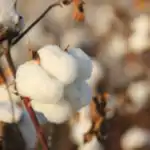
- Natural Fibres: These are obtained from natural sources such as plants, animals, or minerals. Examples include cotton, linen, silk, wool, and asbestos.
- Man-made (or Synthetic) Fibres: These are produced artificially by chemical processes. Examples include rayon, nylon, polyester, and acrylic.
Fibres can also be classified based on their length:
- Staple Fibres: These are short fibres, usually measured in inches or centimetres. Natural fibres (except silk) are staple fibres. Examples include cotton and wool.
- Filament Fibres: These are long, continuous fibres that can be measured in yards or metres. Silk is a natural filament fibre, and most man-made fibres are produced as filaments. Examples include silk and nylon.
Characteristics of Fibres
The following are important characteristics of textile fibres:
- Strength (Tenacity): The ability of a fibre to withstand pulling forces without breaking.
- Elasticity: The ability of a fibre to return to its original length after being stretched.
- Absorbency: The ability of a fibre to take up moisture.
- Lustre: The natural sheen or shine of a fibre.
- Resilience: The ability of a fibre to recover from wrinkling or creasing.
- Flammability: How easily a fibre catches fire and burns.
- Dye Affinity: The ability of a fibre to absorb and retain dye.
- Abrasion Resistance: The ability of a fibre to resist wear from rubbing.
Differences between Fibre and Fabric
The key differences between fibre and fabric are:
- Fibre is the fundamental raw material, while fabric is the finished product made from fibres.
- Fibre is an individual, hair-like strand, whereas fabric is a cohesive material formed by interweaving or knitting many fibres together.
- Fibres have specific inherent properties (e.g., length, fineness), while the properties of a fabric depend on the type of fibre used and how it is constructed.
Teaching Methods/Instructional Techniques
Discussion, Lecture, Demonstration, Question and Answer, Visual Aids
Instructional Procedures
Step 1: Introduction
Time: 5 minutes
Teaching Skill: Set Induction
Teacher’s Activity: The teacher greets the pupils and asks them to name some items of clothing they are wearing. The teacher then asks what these clothes are made of.
Pupils’ Activity: Pupils respond by naming clothing items and suggesting materials like cotton, polyester, or wool.
Learning Point: Pupils are introduced to the concept of textile materials and their components.
Step 2: Explanation of Fibre
Time: 8 minutes
Teaching Skill: Explanation/Definition
Teacher’s Activity: The teacher defines textile fibre, explaining it as the basic unit from which textiles are made. The teacher may show a loose fibre strand if available.
Pupils’ Activity: Pupils listen attentively, take notes, and ask questions for clarification.
Learning Point: Pupils understand the meaning of fibre as the fundamental component of textiles.
Step 3: Explanation of Fabric
Time: 7 minutes
Teaching Skill: Explanation/Demonstration
Teacher’s Activity: The teacher defines fabric and demonstrates how fibres are woven or knitted together using fabric samples. The teacher explains that fabric is the material made from these fibres.
Pupils’ Activity: Pupils observe the fabric samples, feel them, and relate them to the definition of fabric. They write down the definition.
Learning Point: Pupils grasp the meaning of fabric and how it relates to fibres.
Step 4: Types of Fibre
Time: 8 minutes
Teaching Skill: Classification/Illustration
Teacher’s Activity: The teacher explains the different classifications of fibres, focusing on natural vs. man-made, and staple vs. filament. The teacher provides examples for each type and shows corresponding fabric samples.
Pupils’ Activity: Pupils identify the different types of fibres and try to differentiate between staple and filament fibres from the samples. They note down the classifications and examples.
Learning Point: Pupils learn about the various types of textile fibres and their distinctions.
Step 5: Characteristics of Fibres
Time: 7 minutes
Teaching Skill: Listing/Description
Teacher’s Activity: The teacher discusses important characteristics of fibres such as strength, absorbency, elasticity, and lustre, explaining what each characteristic means and its importance. The teacher may demonstrate elasticity with a rubber band.
Pupils’ Activity: Pupils listen, take notes on the characteristics, and try to relate them to the fabric samples.
Learning Point: Pupils understand the key properties that define different textile fibres.
Step 6: Differences between Fibre and Fabric
Time: 5 minutes
Teaching Skill: Comparison/Analysis
Teacher’s Activity: The teacher guides pupils to identify the key differences between fibre and fabric, summarizing the points discussed in previous steps.
Pupils’ Activity: Pupils contribute by stating differences and consolidate their understanding.
Learning Point: Pupils can clearly distinguish between fibre and fabric.
Step 7: Evaluation/Review
Time: 5 minutes
Teaching Skill: Questioning/Assessment
Teacher’s Activity: The teacher evaluates the learning by asking the following questions:
- Define textile fibre.
- What is fabric?
- Mention two types of fibre based on origin.
- State three characteristics of textile fibres.
- Explain the difference between staple and filament fibres.
- Differentiate between fibre and fabric.
Pupils’ Activity: Pupils answer orally and in writing.
Learning Point: Pupils demonstrate understanding of the lesson.
Step 8: Conclusion
Time: 1 minute
Teaching Skill: Summarization
Teacher’s Activity: The teacher summarizes the main points of the lesson, emphasizing the importance of understanding fibres and fabrics in everyday life. The teacher then assigns homework.
Pupils’ Activity: Pupils listen and note down the homework.
Learning Point: Pupils consolidate their learning and are prepared for further study.
Lesson Keywords
- Fibre – The basic, hair-like unit of a textile material.
- Fabric – A material made by weaving, knitting, felting, or bonding fibres together.
- Staple Fibres – Short fibres, typically measured in inches or centimetres.
- Filament Fibres – Long, continuous fibres that can be measured in yards or metres.
- Natural Fibres – Fibres obtained from plant, animal, or mineral sources.
- Man-made Fibres – Fibres produced artificially by chemical processes.
Differentiation
The teacher will provide additional visual aids and simplified explanations for pupils who may be struggling with the concepts. More challenging questions or research tasks on specific fibre types will be given to advanced learners to deepen their understanding.
Note for teachers using this lesson plan
Ensure a good variety of fabric samples are available for pupils to touch and examine. Encourage pupils to bring their own fabric scraps from home to broaden the discussion. Emphasize the practical applications of understanding fibre and fabric properties in clothing care and selection.



Community Join the conversation Open discussion +