

Class: Primary 4
Term: 3rd Term
Subject: History
Curriculum Theme:
Previous lesson:
Topic: Major Historical Features and Sites in Nigeria
Content/Learning Area: Palaces, Markets, Churches/Mosques
Time Allocation: Not specified
Performance Objectives
By the end of the lesson, pupils should be able to:
- Cognitive Domain: Identify major historical features and sites in Nigeria.
- Affective domain: Show appreciation for the historical significance of these sites.
- Psychomotor Domain: Describe the features and significance of selected historical sites.
- Social domain: Participate in discussions about the importance of preserving historical sites.
Reference Materials
- Nigeria Primary History Book 4
- Relevant sections of the Nigerian National Curriculum on History.
- Abuja FTC Education Resource center scheme of work for Primary 6
- https://guardian.ng/life/10-historical-monuments-in-nigeria-you-should-visit/
- https://www.pulse.ng/lifestyle/travel/7-historical-places-in-nigeria-you-should-visit/x2993wt
Instructional Materials
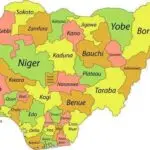
To deliver this lesson, the teacher will use the following materials: pictures/visual aids of palaces, markets, churches, and mosques; maps of Nigeria showing locations of historical sites.
Rationale for the Lesson
Understanding NigeriaS historical features and sites fosters national identity and cultural awareness among pupils.
Prerequisite/Previous knowledge
Pupils are familiar with the concept of historical places and buildings in their local habitat.
Lesson Content
Major Historical Features and Sites in Nigeria
Some major historical features and sites in Nigeria hold important historical, cultural, or religious importance, some of these include:
Palaces
palaces are the official residences of traditional rulers or monarchs, it often serves as centers of power, culture, and management in various Nigerian kingdoms and empires. The following are examples of palaces:
- Benin Palace: The historical seat of the Oba of Benin, known for its intricate bronze castings and rich cultural heritage.
- Oyo Palace: The former residence of the Alaafin of Oyo, representing the heart of the Oyo Empire.
- Lagos Palace (Iga Idunganran): The traditional home of the Oba of Lagos, reflecting the history and culture of Lagos Island.
Markets
Markets are historical trading centers that played a important role in the economic and social lives of communities, facilitating the exchange of goods, ideas, and cultural practices. These are examples of historical markets:
- Kano Kurmi Market: One of the oldest and largest traditional markets in Nigeria, dating back centuries and serving as a major trading hub in the trans-Saharan trade.
- Onitsha Main Market: A significant commercial center in southeastern Nigeria, known for its bustling trade and entrepreneurial spirit.
Churches/Mosques
Churches/Mosques are religious buildings that represent the introduction and spread of Christianity and Islam in Nigeria, often serving as centers of worship, education, and community life. The following are examples of historical churches and mosques:
- Sokoto Grand Mosque: A prominent Islamic center in northern Nigeria, reflecting the historical significance of Sokoto as a seat of the Sokoto Caliphate.
- Cathedral Church of Christ, Lagos: An iconic Anglican cathedral in Lagos, representing the early establishment of Christianity in Nigeria.
Teaching Methods
To deliver this lesson, the teacher will adopt the following methods: Discussion, Explanation, Visual Aids, Storytelling.
Instructional Procedures
To deliver this lesson, the teacher will adopt the following steps:
Step 1: Introduction
Time: 5 minutes
Teaching Skill: Set induction
Teacher’s Activity: The teacher shows pictures of historical sites and asks pupils if they recognize any.
Pupils’ Activity: Pupils observe the pictures and respond with any prior knowledge.
Step 2: Defining Historical sites
Time: 10 minutes
Teaching Skill: Explanation
Teacher’s Activity: The teacher explains what historical sites are and their importance to a nation’s history.
Pupils’ Activity: Pupils listen attentively and ask questions for clarification.
Step 3: Exploring Palaces
Time: 15 minutes
Teaching Skill: Visual Aids
Teacher’s Activity: The teacher displays pictures of Benin, oyo, and Lagos Palaces, describing their historical significance.
Pupils’ Activity: Pupils observe the pictures and share any information they know about the palaces.
Step 4: Discussing Markets
time: 10 minutes
Teaching Skill: Discussion
Teacher’s Activity: The teacher leads a discussion on the importance of historical markets like Kano Kurmi and Onitsha Main Market.
Pupils’ Activity: Pupils participate in the discussion, sharing their understanding of markets.
Step 5: Examining Churches and Mosques
Time: 10 minutes
Teaching Skill: Explanation
Teacher’s Activity: The teacher explains the historical significance of churches and mosques like Sokoto Grand Mosque and Cathedral Church of Christ, Lagos.
Pupils’ Activity: Pupils listen and take notes on the key points.
Step 6: Note-Taking
Time: 5 minutes
Teaching Skill: Summarization
Teacher’s Activity: The teacher guides pupils to summarize the main points in their notebooks.
Pupils’ Activity: Pupils write down the key points in their notebooks.
Step 7: Evaluation/Review
Time: 5 minutes
Teaching Skill: Questioning
Teacher’s Activity: The teacher asks questions to assess pupils’ understanding of the lesson.
Pupils’ Activity: Pupils answer the questions to demonstrate their understanding.
Step 8: Conclusion
Time: 2 minutes
Teaching Skill: Summarization
Teacher’s Activity: The teacher summarizes the lesson and highlights the importance of preserving historical sites.
Pupils’ Activity: Pupils listen to the summary and ask any remaining questions.
Lesson Keywords
- Palace – Official residence of a traditional ruler.
- Market – A place were goods are traded.
- Mosque – A place of worship for Muslims.
- Church – A place of worship for Christians.
- Historical Site – A place with historical significance.
lesson Evaluation
To evaluate the learning, the teacher asks pupils to:
- Name three historical palaces in Nigeria.
- Describe the importance of Kano Kurmi Market.
- Identify one historical church or mosque in Nigeria and its significance.
Assignment/Homework
- Research and write a short paragraph about a historical site in your state.
- Draw a picture of one of the historical sites discussed in class.
Differentiation
- For slower learners: Provide simplified notes and visual aids with clear labels.
- For advanced learners: Encourage them to research additional historical sites and present their findings.
- For visual/auditory/kinesthetic learners: Use a variety of visual aids,discussions,and hands-on activities like drawing or building models of historical sites.
Note for Teachers
Ensure to use local examples and relate the lesson to the pupils’ immediate environment to enhance understanding and engagement.

Community Join the conversation Open discussion +