

Note for teachers using this lesson plan
This lesson focuses on the historical reasons behind the establishment of Nigeria’s early regions and their impact. Ensure you have a clear map of Nigeria showing the early regional boundaries. Guide pupils through discussions to help them grasp the complex historical context and the significance of these political developments. By the end of the lesson, pupils should be able to identify and explain the key reasons for the creation of these regions and understand some of their implications.
Class: Primary 4
Term: Second Term
Week: 6
Age: 9 years
Duration: 45 minutes
Subject: Nigerian History
Curriculum Theme: Political Developments in Nigeria
Focal competence: Recognising and appreciating the changes in Nigeria’s political evolution
Key competencies/values: Collaboration; Information Literacy; ICT and Digital Competencies
Skills:
- Identification of the four regions
- Analyses of the reasons for creation of four regions
Previous Lesson: Major ethnic groups associated with the early regions
Topic: The Early Regions In Nigeria: Reasons For The Regions
Subject Matter: Reasons for establishing the early regions and implications of the regional arrangement
Specific Objectives
By the end of the lesson, pupils/students should be able to:
Cognitive Domain
- Identify at least three reasons for establishing the early regions in Nigeria.
- State the names of the three initial early regions and the fourth region later created.
Affective Domain
- Appreciate the historical factors that led to the creation of regions.
- Value the importance of understanding Nigeria’s political evolution.
Psychomotor Domain
- Discuss the reasons for creating the early regions.
- Summarise one reason and one implication of the regional arrangement.
Social Domain
- Collaborate with peers in discussing the reasons for regional creation.
Reference Materials
The following resources were used in planning this lesson:
- 2025 Revised 9 Years Basic Education Curriculum
- Relevant State Unified Scheme of Work
- Macmillan Primary Social Studies for Primary 4
- The HeadTeacher Scheme of work
Instructional Materials
The teacher will teach this lesson with the aid of:
- Map of Nigeria showing early regional boundaries
- Charts illustrating the early regions and their reasons
- Video clips/documentaries on Nigeria’s political history
- Textbooks
Rationale for the Lesson
This lesson is important because it helps pupils understand the historical foundation of Nigeria’s political structure. Learning about the reasons for establishing early regions provides insight into the country’s diverse nature and the challenges of governance. It also lays the groundwork for understanding subsequent political developments in Nigeria.
Prerequisite/Previous Knowledge
Pupils should have a basic understanding of Nigeria as a country and some of its diverse ethnic groups.
Lesson Content/Board Summary
The Early Regions In Nigeria: Reasons For The Regions
Introduction to the Early Regions
After Nigeria gained independence, it was divided into large administrative units known as Regions. These regions were created to help manage the country better due to its large size and diverse population.
The three initial early regions were:
- Northern Region
- Eastern Region
- Western Region
Later, in 1963, a fourth region, the Mid-Western Region, was created from parts of the Western Region.
Reasons for Establishing the Early Regions
The early regions were established for several important reasons:
- Administrative Convenience: Nigeria is a very large country with many different communities. Dividing it into regions made it easier to administer and govern effectively from a central point.
- Cultural Diversity: Nigeria has many different ethnic groups, each with its own language, culture, and traditions. The regions were largely drawn to group people with similar cultural backgrounds together, allowing them to manage their local affairs more effectively.
- Economic Differences: Different parts of Nigeria had different economic activities and resources. Creating regions allowed each area to focus on developing its unique economic potential.
- Political Representation: Establishing regions helped ensure that different parts of the country and their diverse populations had a voice and representation in the national government.
Implications of the Regional Arrangement
The creation of regions had several important implications for Nigeria:
- Regional Autonomy: Each region had a significant level of self-governance, allowing them to make decisions about their education, health, and economic development.
- Healthy Competition: The regions often competed with each other in terms of development, which led to progress in many areas.
- Sense of Identity: People often identified strongly with their region, which sometimes led to regionalism over national unity.
- Uneven Development: Some regions developed faster than others due to differences in resources and leadership.
Teaching Methods/Instructional Techniques
Discussion, Explanation, Question and Answer, Map Work, Group Work, Summarisation
Instructional Procedures
Step 1: Introduction
Time: 5 minutes
Teaching Skill: Activating Prior Knowledge
Teacher’s Activity: The teacher greets the pupils and asks them to name some major cities in Nigeria. The teacher then asks if they know how Nigeria was governed in the past, especially after independence.
Pupils’ Activity: Pupils respond by naming cities and sharing their knowledge about Nigeria’s past governance.
Learning Point: Recalling Nigeria’s structure
Step 2: Introduction to Early Regions
Time: 7 minutes
Teaching Skill: Explanation/Visual Aid
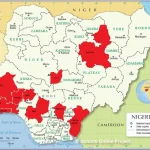
Teacher’s Activity: The teacher displays a map of Nigeria showing the early regions (Northern, Eastern, Western). The teacher explains that after independence, Nigeria was divided into these large administrative areas called regions to make governance easier. The teacher also mentions the later creation of the Mid-Western Region as the fourth region.
Pupils’ Activity: Pupils observe the map and listen attentively, identifying the regions as pointed out by the teacher.
Learning Point: Identifying early regions
Step 3: Discussing Reasons for Regions
Time: 10 minutes
Teaching Skill: Guided Discussion
Teacher’s Activity: The teacher guides pupils to discuss the stated reasons for creating the regions, such as administrative convenience, cultural diversity, economic differences, and political representation. The teacher uses simple language and examples to explain each reason.
Pupils’ Activity: Pupils participate in the discussion, offering their thoughts and asking questions about each reason.
Learning Point: Reasons for regional creation
Step 4: Deepening Understanding of Reasons
Time: 5 minutes
Teaching Skill: Elaboration/Questioning
Teacher’s Activity: The teacher elaborates on each reason, ensuring pupils understand why each factor was important in the decision to create regions. The teacher asks questions to check for comprehension, e.g., “Why was cultural diversity a reason for creating regions?”
Pupils’ Activity: Pupils answer questions and contribute further to the discussion, demonstrating their understanding.
Learning Point: Understanding regional factors
Step 5: Exploring Implications of Regional Arrangement
Time: 7 minutes
Teaching Skill: Explanation/Analysis
Teacher’s Activity: The teacher explains the implications of the regional arrangement, such as regional autonomy, competition among regions, and the development of a strong regional identity. The teacher gives simple examples for each implication.
Pupils’ Activity: Pupils listen and ask questions to clarify their understanding of the implications.
Learning Point: Implications of regions
Step 6: Summarising Reasons and Implications
Time: 4 minutes
Teaching Skill: Summarisation
Teacher’s Activity: The teacher guides pupils to summarise one key reason for creating the regions and one implication of the regional arrangement in simple sentences.
Pupils’ Activity: Pupils volunteer to summarise a reason and an implication in their own words.
Learning Point: Summarising key points
Step 7: Evaluation/Review
Time: 5 minutes
Teaching Skill: Questioning/Assessment
Teacher’s Activity: The teacher evaluates the learning by asking the following questions:
- Name the three initial early regions of Nigeria.
- State two reasons why the early regions were established.
- Mention one implication of the regional arrangement.
Pupils’ Activity: Pupils answer orally and in writing.
Learning Point: Assessing lesson understanding
Step 8: Note-Taking
Time: 4 minutes
Teaching Skill: Guided Writing
Teacher’s Activity: The teacher guides pupils to copy the essential Board Summary notes on the reasons for establishing early regions and their implications into their notebooks.
Pupils’ Activity: Pupils/students copy the notes carefully into their notebooks.
Learning Point: Recording lesson notes
Step 9: Conclusion
Time: 2 minutes
Teaching Skill: Reinforcement
Teacher’s Activity: The teacher briefly reminds pupils of the importance of understanding the historical reasons for Nigeria’s regional structure and how it shaped the country. The teacher commends their participation and closes the lesson.
Pupils’ Activity: Pupils listen and prepare for the next lesson.
Learning Point: Consolidating lesson learning
Continuous Assessment/Further Study
Type: Homework
Instruction: Answer the following questions in your notebook:
- List the four regions of Nigeria that existed before the creation of states.
- In your own words, explain one reason why the early regions were created.
- What does “regional autonomy” mean in the context of Nigeria’s early regions?
Lesson Keywords
- Regions – Large administrative divisions of a country.
- Administrative Convenience – Making governance and management easier.
- Cultural Diversity – The presence of many different cultures in one area.
- Implications – The possible results or effects of something.
- Autonomy – The right or condition of self-government.
Differentiation
For weaker learners, the teacher will provide simplified explanations and focus on identifying just two reasons for the regions. They will be given pre-written sentences to complete for summarisation. Faster learners will be encouraged to research and identify other minor implications of the regional arrangement or discuss how the regional structure impacted national unity.
Suggested Lesson Videos
Search on YouTube: early regions of nigeria primary 4 history
Teacher Guide for Using This Lesson Plan
Before the lesson, ensure you have a clear, colourful map of Nigeria highlighting the Northern, Eastern, Western, and Mid-Western regions. Prepare charts or slides with the key reasons and implications clearly stated. During the lesson, encourage active participation and group discussions to help pupils grasp the concepts. Guide them to discuss the reasons for creating the regions and their implications, ensuring they summarise effectively. When pupils are copying notes, ensure they do so neatly and accurately. Pay attention to pupils who might struggle with the historical context and provide additional support or simplified examples. For faster learners, encourage critical thinking about the long-term effects of regionalism. Emphasise that the Board Summary is for copying after the main teaching and discussion points have been covered.

Community Join the conversation Open discussion +