

Class: Primary 4
Term: 2nd Term
Subject: History
Curriculum Theme: History
Previous Lesson: Heroes And Heroines In Nigeria, Jaja Of Opobo And Ovonramwen Of Benin
Topic: Heroes And Heroines In Nigeria: Chief Nana Olomu And Queen Amina of Zazzau
Content/Learning Area: Heroes and heroines in Nigeria e.g., Chief nana of Itsekiri, Queen Amina of Zazzau, etc.
Time Allocation: 40 minutes
Performance Objectives
By the end of the lesson, pupils should be able to:
- Cognitive Domain: Identify Chief Nana Olomu of Itsekiri and Queen Amina of Zazzau and explain their contributions to Nigeria’s progress.
- Affective Domain: Appreciate the roles of heroes and heroines in shaping Nigeria’s history.
- Psychomotor Domain: Draw or trace a simple map of Nigeria and mark Zaria and Itsekiri regions.
- Social Domain: Discuss how the contributions of these historical figures inspire unity and patriotism.
Reference Materials
The following resources were used in planning this lesson:
- Nigerian 9 – Years Basic Education Curriculum
- Abuja Educational Resource Center Scheme of Work
- NAPPS National Unified Scheme of Work
- Relevant Textbooks
Instructional Materials
To deliver this lesson, the teacher will use the following materials:
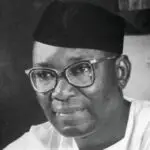
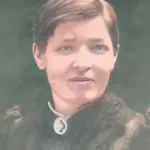
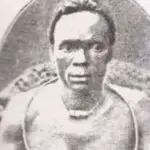
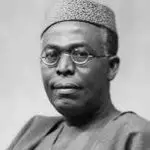
- Flashcards with images of Chief Nana and Queen Amina.
- A map of nigeria.
- A short video or printed story about their lives.
- Chalkboard and chalk.
Rationale for the Lesson
Understanding the contributions of Chief Nana and Queen Amina helps pupils learn about leadership, courage, and cultural heritage, fostering pride in Nigeria’s history.
Prerequisite/Previous Knowledge
Pupils have previously learned about Jaja of Opobo and Ovonramwen of Benin and are familiar with the concept of heroes and their meaning.
Lesson Content
Chief Nana Olomu of Itsekiri
Nana Olomu was a nineteenth-century Itsekiri merchant and political leader in the western Niger Delta. He served as Governor of Benin River and organised extensive palm-oil trade. He resisted British attempts to control trade and political authority, was removed and exiled in 1894, and later returned. His story helps pupils examine leadership, trade and colonial pressure.
Queen Amina of Zazzau
Queen Amina is remembered in Hausa historical traditions as a powerful ruler and military leader of Zazzau, associated with present-day Zaria. Accounts connect her with expansion, trade routes and fortified settlements. Some details of her life come mainly from later chronicles and oral tradition, so pupils should distinguish well-supported history from stories that cannot be dated precisely.
Comparing Their Leadership
Both are remembered for political authority and defence of their people, but they lived in different centuries and regions. A map should show the western Niger Delta and Zaria rather than mark “Itsekiri” as a town.
Teaching Methods
To deliver this lesson, the teacher will adopt the following methods: Discussion, Storytelling, Visual Aids, Group Work, Practical Activity
Instructional Procedures
To deliver this lesson, the teacher will adopt the following steps:
Step 1: Introduction (Set Induction)
Time: 5 mins
Teaching Skill: Set Induction
Teacher’s Activity: The teacher shows images of Chief Nana and Queen Amina, asks pupils to identify them and their significance.
Pupils’ Activity: Pupils answer questions and observe the images.
Step 2: Story of Chief Nana
Time: 10 mins
Teaching Skill: Storytelling
Teacher’s Activity: The teacher narrates the story of Chief Nana,emphasizing his key contributions.
Pupils’ Activity: Pupils listen attentively, ask questions, and engage with the lesson.
Step 3: Story of Queen Amina
Time: 10 mins
Teaching Skill: Storytelling
Teacher’s Activity: The teacher narrates the story of Queen Amina, emphasizing her key contributions.
Pupils’ Activity: Pupils listen attentively, ask questions, and engage with the lesson.
Step 4: Mapping Activity
Time: 7 mins
Teaching Skill: Practical Activity
Teacher’s Activity: The teacher demonstrates how to map Nigeria and mark Zaria and Itsekiri regions.
Pupils’ activity: Pupils draw and mark the regions on their maps.
Step 5: Discussion
Time: 8 mins
Teaching Skill: Guided Discussion
teacher’s Activity: The teacher leads a discussion on how the contributions of these heroes inspire patriotism.Pupils’ Activity: Pupils share thoughts and participate in the discussion.
Step 6: Note-Taking
Time: 5 mins
Teaching Skill: Direct Instruction
Teacher’s Activity: The teacher guides pupils to copy the notes from the board.
Pupils’ Activity: pupils copy the notes into their notebooks.
Step 7: Evaluation/Review
Time: 3 mins
Teaching Skill: Oral Questioning
Teacher’s Activity: The teacher asks questions related to the lesson objectives.
Pupils’ Activity: Pupils answer questions based on the lesson content.
Objective-aligned checks:
- Identify Chief Nana Olomu of Itsekiri and Queen Amina of Zazzau and explain their contributions to Nigeria’s progress.
- Draw or trace a simple map of Nigeria and mark Zaria and Itsekiri regions.
Step 8: Conclusion
Time: 2 mins
Teaching Skill: Summary and Encouragement
Teacher’s Activity: The teacher summarizes the key points and encourages pupils to learn more about Nigerian heroes.
Pupils’ Activity: Pupils listen and ask any final questions.
Lesson keywords
- Heroism – the quality of being a hero, showing courage and strength in difficult situations
- Patriotism – love for and devotion to one’s country
- Leadership – the action of leading a group or organization
- Conquest – the act of gaining control over a region through military force
Lesson Evaluation
To evaluate the learning, the teacher asks pupils to:
- Who was Chief Nana, and what did he contribute to Nigerian history?
- Explain two achievements of Queen Amina of Zazzau.
- Mark Zaria and Itsekiri regions on a map of Nigeria.
- How do these heroes inspire you in modern Nigeria?
Assignment/Homework
- Research and write a short paragraph about another Nigerian hero or heroine.
- Draw a picture representing one of the achievements of either Chief Nana or Queen Amina.
Differentiation
- For slower learners: Provide simplified notes and one-on-one assistance during the mapping activity.
- For advanced learners: Encourage them to research additional facts about Chief Nana and Queen Amina and present their findings to the class.
- for visual/auditory/kinesthetic learners: Use visual aids, storytelling, and hands-on activities to cater to different learning styles.
Note for Teachers
Ensure to use engaging storytelling techniques to capture pupils’ attention and make the lesson interactive.Provide clear instructions for the mapping activity and offer assistance as needed.
Community Join the conversation Open discussion +