

Class: Primary 4
Term: 2nd Term
Subject: History
curriculum Theme: History
Previous Lesson: Major Contributions Of Heroes And Heroines To The Development Of Nigeria
Topic: Some Nigerian People: Gbaygi And Jukun
content/Learning Area: Some people in Nigeria e.g., The Gbaygi, the Jukun
Time Allocation: 40 minutes
Performance Objectives
By the end of the lesson, pupils should be able to:
- Cognitive Domain: Explain the origins, locations, historical background, and cultural practices of the Gbaygi and Jukun people.
- Affective Domain: Appreciate the cultural diversity and historical significance of nigeria thru the study of the Gbaygi and Jukun people.
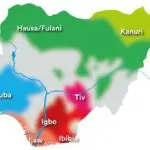
- Psychomotor domain: Identify and mark the locations of the Gbaygi and Jukun people on a map of Nigeria.
- Social Domain: Share thoughts on the importance of recognizing, respecting, and celebrating cultural differences among Nigerian ethnic groups.
Reference Materials
The following resources were used in planning this lesson:
- Nigerian 9 – Years Basic Education Curriculum
- Abuja Educational Resource Center Scheme of Work
- NAPPS National Unified Scheme of Work
- Relevant Textbooks
Instructional Materials
To deliver this lesson, the teacher will employ the following materials:
- Map of Nigeria showing ethnic groups
- Flashcards of traditional Gbaygi and Jukun attire and artifacts
- Pictures and videos of Gbaygi and Jukun lifestyles
- Chart showing historical timelines
- Sample traditional crafts or replicas
Rationale for the Lesson
Learning about the Gbaygi and Jukun helps pupils understand Nigeria’s cultural diversity and promotes unity.
Prerequisite/Previous Knowledge
Pupils have basic knowledge of Nigeria’s ethnic groups and their contributions to national advancement.
Lesson Content
Some Nigerian People: Gbaygi and Jukun
Nigeria hosts many ethnic groups, including the Gbaygi and Jukun, each with distinct histories, traditions, and contributions.
The Gbaygi People: Origin and Historical Background
The Gbaygi (also spelled Gbagyi or Gwari) are a major central Nigerian group, believed to have originated around the 12th century, migrating from the Lake Chad region. They built organized communities with strong agricultural practices and resisted external domination, governed by chiefs called “Esu” or “sarki.”
Geographical Location of the Gbaygi people
The areas where Gbaygi communities are mainly located include:
- Niger State (Minna, Paiko, Suleja)
- Kaduna State (Chikun, Kajuru, Kachia areas)
- Federal Capital Territory, abuja (original inhabitants)
- parts of nasarawa and Kogi States
- Kwara State (Lafiagi, Patigi)
Cultural Practices and Traditions of the Gbaygi
The cultural practices and traditions of the Gbaygi people include:
- Occupation: Primarily farmers; skilled in pottery, weaving, and blacksmithing.
- Language: gbagyi (Nupoid branch, Niger-Congo family).
- Attire: Men wear hand-woven shorts and sleeveless tops; women wrap cloths with blouses.
- Festivals: “Shiri” (harvest) and “Gbyednu” (new yam).
- Arts: Famous for decorative pottery, especially by women.
- Cuisine: Traditional dishes include gwate (a type of porridge) and various soups made from local vegetables.
The Jukun People: Origin and Historical Background
The Jukun descend from the Kwararafa Kingdom (9th century), a major pre-colonial state that peaked between the 15th and 18th centuries. likely migrating from the Nile Valley or Yemen, they established a centralized system under the “Aku Uka,” both political and spiritual leader, based in Wukari.
Geographical Location of the Jukun People
jukun people are found mainly in:
- Taraba State (Wukari)
- Benue State (Abinsi, parts of Makurdi)
- Plateau State (small settlements)
- Nasarawa State (Benue River areas)
- Parts of Adamawa State
- Cross River State (Ikom, Obubra)
Cultural Practices and Traditions of the Jukun
the cultural practices and traditions of the Jukun people include:
- Occupation: Farmers and fishermen near the Benue River.
- language: Jukun (Wapan), from the Benue-Congo branch of the Niger-Congo family.
- Religion: Worship of “Ama” and ancestors; the Puje festival is central.
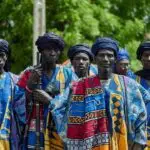
- Attire: Men wear flowing embroidered robes; women wear wrapped cloths and blouses.
- Arts: Known for ceremonial wood carvings and pottery.
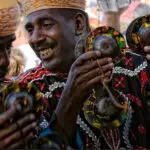
- Music: Traditional music features drums, flutes, and xylophones, often played during festivals and ceremonies.
Contributions of the Gbaygi and Jukun People to Nigerian Heritage
The contributions of the Gbaygi and jukun people to Nigerian heritage include:
- Gbaygi: Enriched Nigeria’s agriculture, pottery, and traditional governance.
- Jukun: The Kwararafa Kingdom demonstrated advanced political association.
- Both: Preserved unique languages, festivals, arts, music, and traditional leadership systems that enhance Nigeria’s cultural tapestry.
- Gbaygi: Their pottery and craftwork contribute to Nigeria’s artistic heritage, showcasing unique designs and techniques.
- Jukun: Their traditional religious practices and festivals add to Nigeria’s diverse spiritual and cultural expressions.
Teaching Methods
to deliver this lesson, the teacher will adopt the following methods: Discussion, Lecture, Storytelling, Visual Aids, Explanation, Group Work
Instructional Procedures
To deliver this lesson, the teacher will adopt the following steps:
Step 1: Introduction (Set Induction)
Time: 5 mins
Teaching Skill: Set Induction
Teacher’s Activity: The teacher asks pupils about different ethnic groups they know in Nigeria and shows pictures of the Gbaygi and Jukun people.
Pupils’ Activity: Pupils respond and observe pictures.
Step 2: The Gbaygi People
Time: 10 mins
Teaching Skill: Explanation
Teacher’s Activity: The teacher explains the origin, location, and culture of the Gbaygi people using a map and flashcards.
Pupils’ Activity: Pupils listen and observe the map and flashcards.
step 3: The Jukun People
Time: 10 mins
Teaching Skill: Storytelling
Teacher’s activity: The teacher narrates the history of the Jukun people and their link to the Kwararafa Kingdom.
Pupils’ Activity: Pupils listen and ask questions.
Step 4: Comparison of Both Groups
Time: 5 mins
Teaching Skill: Discussion
Teacher’s Activity: The teacher leads a discussion comparing the cultures of the Gbaygi and Jukun people.
Pupils’ Activity: Pupils participate in the discussion.
Step 5: Note-taking
Time: 5 mins
Teaching Skill: Writing
Teacher’s Activity: The teacher dictates or writes the key points on the board for pupils to copy.Pupils’ Activity: pupils copy notes into their books.
Step 6: Evaluation/Review
Time: 3 mins
Teaching Skill: Assessment
Teacher’s Activity: The teacher asks oral questions based on the lesson content.
Pupils’ Activity: Pupils answer the questions.
Objective-aligned checks:
- Explain the origins, locations, historical background, and cultural practices of the Gbaygi and Jukun people.
- Identify and mark the locations of the Gbaygi and Jukun people on a map of Nigeria.
step 7: Conclusion
Time: 2 mins
Teaching Skill: Closure
Teacher’s Activity: The teacher summarizes the key points of the lesson and encourages pupils to appreciate cultural diversity.
Pupils’ Activity: Pupils listen attentively.
Lesson Keywords
- Gbaygi – An ethnic group in central nigeria
- Jukun – An ethnic group mainly in Taraba State
- Kwararafa Kingdom – Ancient kingdom linked to the Jukun people
- Culture – Way of life of a group of people
- Tradition – Customs passed down through generations
Lesson Evaluation
To evaluate the learning, the teacher asks pupils to:
- Who are the Gbaygi people?
- Where are the Gbaygi and Jukun people mainly found?
- what was the historical kingdom associated with the Jukun people?
- List two cultural practices of the Gbaygi people.
Assignment/Homework
- Draw a simple map of Nigeria and mark the locations where the Gbaygi and Jukun people live.
- Write two sentences each about the Gbaygi and the Jukun cultures.
Differentiation
- For slower learners: Provide simplified charts and extra explanations using visual aids.
- For advanced learners: Ask them to research additional facts about Gbaygi and Jukun historical figures.
- For visual/auditory/kinesthetic learners: Use maps, flashcards, storytelling, and group discussions.
Note for Teachers
Ensure to use maps and visual aids actively during the lesson to make it easier for pupils to grasp the locations and cultural elements discussed.
Community Join the conversation Open discussion +