

Class: Primary one
term: Second Term
Subject: Pre-vocational Studies
Curriculum Theme: Home Economics
Previous Lesson: Uses Of Parts Of The Home
Topic: Items Found In different Parts of the Home and Their uses
Content/Learning Area: Items Found In Different Parts Of the Home And Their Uses
Time Allocation: 40 minutes
Performance Objectives
By the end of the lesson,pupils should be able to:
- Cognitive Domain:
1. Identify and name items found in different parts of the home and their uses.
- Affective Domain:
1. Appreciate the importance of keeping items in their proper places at home.
- Psychomotor Domain:
1. Categorize items according to the part of the home they belong to.
- social Domain:
1. Share ideas about how to use and organize home items effectively.
Reference Materials
- 9 – Years Basic Education curriculum Abuja
- Educational resource Center Scheme of Work
- NAPPS National Unified Scheme of Work
- Online Details from: twinkl.co.za – Items from Parts of the House Display Posters
- relevant Textbooks
Instructional Materials
To deliver this lesson, the teacher will use the following materials:
- Charts showing parts of the home and items in them.
- Flashcards wiht names of items.
- Toy models of common home items.
- A pictorial storybook about a tidy home.
Rationale for the lesson
This lesson is crucial for developing organizational skills and an understanding of home environments. It lays the foundation for future lessons on home management and cleanliness.
prerequisite/Previous Knowledge
The teacher will begin by asking pupils to name items they see in their homes. This will activate prior knowledge and create interest in the topic.
Lesson Content
Items Found In Different Parts Of The Home and Their Uses
Every part of the home has special items that belong there. Knowing their names and uses helps keep our homes organized.
The following are examples of items found in different parts of the home:
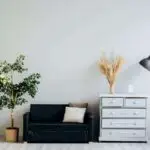
- Living Room: Chairs, tables, television, carpet, curtains, sofa, center table.
Uses: We sit on chairs,use tables,watch TV,and the carpet and curtains are for decoration.
- Bedroom: Bed, pillows, wardrobe, lamp, mirror, bedside rug, alarm clock.
Uses: We sleep in the bed, use pillows for comfort, store clothes in the wardrobe, use the lamp for light, and the mirror for looking.
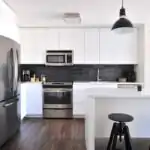
- Kitchen: Pots, plates, spoons, stove, refrigerator, blender, cooking gas.
uses: We use pots and plates for cooking and eating, spoons for stirring, the stove for cooking, and the refrigerator for keeping food fresh.
- Bathroom: Soap, towel, toothbrush, bucket, shower, sponge, bathing soap.
Uses: We use soap and a towel for washing, a toothbrush for cleaning our teeth, a bucket for carrying water, and a shower for bathing.
Teaching Methods
To deliver this lesson, the teacher will adopt the following methods: Set Induction, Presentation, storytelling, Note-writing, Questioning, Recap, Interactive games.
Instructional procedures
To deliver this lesson, the teacher will adopt the following steps:
Step 1: Introduction
Time: 5 mins
Teaching Skill: Set induction
Teacher’s Activity: Asks: “What do you have in your living room? kitchen? Bedroom?”
Pupils’ Activity: Respond by naming items they know.
Learning Point: Pupils recall familiar home items.
Step 2: Exploration
Time: 10 mins
Teaching Skill: Presentation
Teacher’s Activity: Shows pictures of home parts and items, asking pupils to identify them.
Pupils’ Activity: Identify items and say where they belong.
Learning Point: Pupils recognize items and their uses.
Step 3: Description
Time: 10 mins
Teaching Skill: Storytelling
Teacher’s Activity: Tells a story highlighting items and their placement in the home.
Pupils’ Activity: listen attentively and respond to questions.Learning Point: Pupils learn the relevance of keeping items in proper places.
Step 4: Note-Taking
Time: 5 mins
Teaching Skill: Note-writing
Teacher’s Activity: Writes a short note on the board and reads it aloud.
Pupils’ Activity: Copy the notes in their books.
Learning Point: Pupils record key ideas about home items.
Step 5: Evaluation
Time: 5 mins
Teaching skill: Questioning
Teacher’s Activity: Asks questions to test comprehension.
Pupils’ Activity: Answer questions individually.
Learning Point: Pupils consolidate knowledge on the topic.
Step 6: Conclusion
Time: 3 mins
teaching Skill: Recap
Teacher’s Activity: Recaps key points and praises pupils for participation.
Pupils’ Activity: Listen and share what they learned.
Learning Point: Pupils reinforce the lesson content.
Step 7: Strategy
Time: 2 mins
Teaching Skill: Interactive
Teacher’s Activity: Encourages a sorting game with flashcards.
Pupils’ Activity: Sort and group items correctly.
learning Point: Pupils apply learned concepts practically.
Lesson Keywords
- living Room – A room in a home used for relaxing and socializing.
- Bedroom – A room used for sleeping.
- Kitchen – A room used for cooking and preparing food.
- Bathroom – A room used for personal hygiene activities like bathing and brushing teeth.
- Wardrobe – A tall cabinet used for storing clothes.
- Refrigerator – An appliance used for keeping food cold and fresh.
Lesson Evaluation
To evaluate the learning, the teacher asks pupils to:
- Name three items found in the kitchen.
- Mention one use of a television.
- State two items found in the bedroom.
- Tell why it is vital to keep items in their proper places.
Assignment/Homework
- Draw and label three items found in your bedroom.
- List five items found in your kitchen and state their uses.
- Why is it crucial to keep our homes tidy and organized?
Differentiation
- For slower learners: The teacher will provide one-on-one assistance and use simpler language.
- For advanced learners: The teacher will encourage them to research additional items and their uses.
- For visual/auditory/kinesthetic learners: Use visual aids, verbal explanations, and hands-on activities like sorting games.
Note for Teachers
To conclude the lesson, the teacher will review the key items and their locations in the home, emphasizing the importance of association and tidiness.

Community Join the conversation Open discussion +