

Class: Junior Secondary School 2 (JSS2, JSS 2)
Term: 1st Term
Week: 1
Age: 13 years
Duration: 45 minutes
Subject: Basic Science And Technology
Curriculum Theme: Basic Science
Previous Lesson:
Topic: Habitat
Subject Matter: Definition of Habitat, Types of habitat e.g. aquatic, terrestrial and arboreal (water, land and air) and examples.
Specific Objectives
By the end of the lesson, pupils should be able to:
- Cognitive Domain:
(a) Define habitat clearly.
(b) Differentiate between aquatic, terrestrial, and arboreal habitats. - Affective Domain:
(a) Appreciate the importance of habitats to living things.
(b) Show interest in conserving natural habitats. - Psychomotor Domain:
(a) Identify and classify examples of living things based on their habitats. - Social Domain:
(a) Work in groups to share knowledge about local examples of habitats around their environment.
Reference Materials
The following resources was used in planning this lesson:
- 9 Years Basic Education Curriculum
- Lagos State Unified Scheme of work for Junior Secondary Schools
- National Geographic Kids – “Habitat Facts” (https://kids.nationalgeographic.com/nature/habitats)
- Relevant Textbooks
Instructional Materials
The teacher will teach this lesson with the aid of:
- Charts showing different habitats (forest, river, ocean, desert, tree canopy)
- Pictures of animals and plants in their habitats
- Flash cards with habitat names and examples
- Globe or world map showing regions with different habitats
- Whiteboard and markers
Rationale for the Lesson
This lesson helps pupils understand how living things are grouped according to where they live and survive, thereby increasing awareness of the environment and nature.
Prerequisite/Previous Knowledge
Pupils have seen plants and animals around their environment and are familiar with water bodies, land surfaces, and trees as common places where living things are found.
Lesson Content/Board Summary
Habitat
A habitat is the natural home or environment where a living thing lives, grows, and reproduces. Every organism depends on its habitat for food, water, shelter, and space to survive.
Types of Habitat
There are different types of habitat where living things survive and thrive.
Aquatic Habitat
This is the habitat of organisms that live in water such as rivers, lakes, ponds, and oceans. These organisms are adapted to live and move in water.
Examples include:
- Fish
- Frogs
- Crocodiles
- Whales
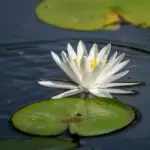
- Water lilies
Terrestrial Habitat
This is the habitat of organisms that live on land. It includes forests, grasslands, deserts, and mountains. Living things here are adapted to survive on land conditions.
Examples include:
- Lion
- Elephant
- Human beings
- Cactus
- Snakes
Arboreal Habitat
This is the habitat of organisms that live on trees. They may live, move, or build homes in tree branches and trunks.
Examples include:
- Monkeys
- Birds
- Squirrels
- Chameleons
- Insects like ants and bees
Teaching Methods/Instructional Techniques:
Lecture, Discussion, Explanation, Storytelling, Demonstration, Question and Answer, Group Work, Visual Aids
Instructional Procedures
To deliver this lesson, the teacher will adopt the following steps:
Step 1: Introduction
Time: 5 minutes
Teaching Skill: Set Induction
Teacher’s Activity: Teacher asks pupils where different animals they know live, such as fish, lion, or monkey, and uses their responses to introduce the lesson on habitat.
Pupils’ Activity: Pupils respond by naming the homes of animals they know.
Learning Point: Pupils are prepared to learn about habitats and their types.
Step 2: Definition of Habitat
Time: 7 minutes
Teaching Skill: Explanation
Teacher’s Activity: Teacher defines habitat and explains why every living thing needs a habitat to survive.
Pupils’ Activity: Pupils listen and write down the definition of habitat.
Learning Point: Pupils understand the meaning of habitat.
Step 3: Types of Habitat
Time: 10 minutes
Teaching Skill: Discussion
Teacher’s Activity: Teacher explains aquatic, terrestrial, and arboreal habitats using charts and pictures.
Pupils’ Activity: Pupils participate in discussions and give examples of organisms found in each habitat.
Learning Point: Pupils can differentiate between aquatic, terrestrial, and arboreal habitats.
Step 4: Examples of Organisms in Habitats
Time: 10 minutes
Teaching Skill: Demonstration
Teacher’s Activity: Teacher presents images or flash cards of animals and plants and guides pupils to classify them into their correct habitats.
Pupils’ Activity: Pupils identify and classify the examples correctly.
Learning Point: Pupils are able to classify organisms into their appropriate habitats.
Step 5: Note-Taking
Time: 5 minutes
Teaching Skill: Explanation
Teacher’s Activity: Teacher dictates or writes the board summary for pupils to copy.
Pupils’ Activity: Pupils write notes in their exercise books.
Learning Point: Pupils have written notes on habitat and its types.
Step 6: Evaluation/Review
Time: 5 minutes
Teaching Skill: Questioning
Teacher’s Activity: The teacher evaluates the learning by asking the following questions:
- What is a habitat?
- List the three main types of habitats.
- Give two examples each of organisms in aquatic, terrestrial, and arboreal habitats.
Pupils’ Activity: Pupils answer the questions orally.
Learning Point: Pupils show mastery of the topic.
Step 7: Conclusion
Time: 3 minutes
Teaching Skill: Reinforcement
Teacher’s Activity: Teacher summarizes the lesson, reinforces the importance of habitats, and advises pupils to protect their environment.
Pupils’ Activity: Pupils listen and ask questions where necessary.
Learning Point: Pupils appreciate habitats and the need to conserve them.
Lesson Keywords
- Habitat – the natural home of an organism
- Aquatic – living or growing in water
- Terrestrial – living on land
- Arboreal – living or moving on trees
- Organism – a living thing such as a plant, animal, or microbe
Differentiation
Teacher uses visual aids and concrete examples to support slow learners, while advanced learners are encouraged to give additional examples of organisms in different habitats.
Note for teachers using this lesson plan
Use real-life examples from pupils’ environment to make the lesson relatable. Ensure pupils participate actively by classifying organisms during group activities.
Community Join the conversation Open discussion +