

Class: Junior Secondary School 2 (JSS 2 / JS2)
Term: Third Term
Week: 10
Age: 13 years
Duration: 45 minutes
Subject: Basic Science and Technology
Curriculum Theme: Basic Science
Previous Lesson: Petrochemicals: Meaning of Crude Oil, Petrochemicals.
Topic: CRUDE OIL AND PETROCHEMICALS
Subject Matter: Uses of crude oil and petrochemicals: Importance of crude oil and petrochemicals
Specific Objectives
By the end of the lesson, pupils should be able to:
Cognitive Domain:
- Define crude oil.
- Explain what petrochemicals are.
- List at least five uses of crude oil products.
- State the importance of crude oil and petrochemicals.
Affective Domain:
- Appreciate the wide range of products derived from crude oil.
- Show interest in the economic impact of crude oil and petrochemicals.
Psychomotor Domain:
- Identify common items that are products of crude oil.
- Discuss the applications of petrochemicals in daily life.
Social Domain:
- Collaborate with peers to discuss the benefits of crude oil and petrochemicals to society.
Reference Materials
The following resources were used in planning this lesson:
- 9 Years Basic Education Curriculum
- State Unified Scheme of Work
- Basic Science and Technology for Junior Secondary Schools 2
- Relevant charts and diagrams showing crude oil products.
Instructional Materials
The teacher will teach this lesson with the aid of:
- Charts showing the fractional distillation of crude oil.
- Pictures of various products made from crude oil (e.g., plastics, fuels, fabrics).
- Samples of petroleum products if available (e.g., small plastic items, a bottle of engine oil).
Rationale for the Lesson
This lesson helps pupils understand that crude oil is a valuable natural resource. It enables them to recognize the many products derived from crude oil and appreciate their importance in modern society and the economy.
Prerequisite/Previous Knowledge
Pupils should have basic knowledge of natural resources and their general uses from previous lessons.
Lesson Content/Board Summary
CRUDE OIL AND PETROCHEMICALS
Definition of Crude Oil
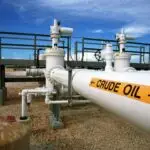
Crude oil is a naturally occurring, yellowish-black liquid found beneath the Earth’s surface. It is a fossil fuel formed from the remains of ancient marine organisms. Crude oil is a mixture of various hydrocarbons and is refined to produce different petroleum products.
What are Petrochemicals?
Petrochemicals are chemical products made from petroleum (crude oil) or natural gas. They are essential raw materials used in the manufacture of a wide range of products for everyday use.
Uses of Crude Oil and its Products
Crude oil is processed to produce many useful products. The following are some uses of crude oil products:
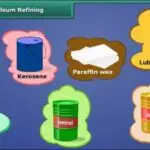
- Fuels: Petrol (gasoline) for cars, diesel for vehicles and generators, kerosene for lamps and jet fuel for aircraft.
- Plastics: Used to make bottles, bags, toys, pipes, and many household items.
- Asphalt/Bitumen: Used for surfacing roads and roofing.
- Lubricants: Engine oils and greases used to reduce friction in machines.
- Waxes: Used in candles, polishes, and protective coatings.
- Solvents: Used in paints, glues, and cleaning agents.
- Synthetic Fibres: Such as nylon and polyester, used in clothing and ropes.
- Pharmaceuticals: Ingredients for medicines and drugs.
- Cosmetics: Used in perfumes, make-up, and lotions.
- Fertilizers: Used in agriculture to improve soil fertility and crop yield.
Importance of Crude Oil and Petrochemicals
Crude oil and petrochemicals are very important for modern society. The following are their importance:
- Energy Source: They provide a major source of energy for transportation, electricity generation, and heating.
- Industrial Raw Materials: They are raw materials for making countless industrial and consumer products like plastics, chemicals, textiles, and building materials.
- Economic Development: The petroleum industry creates jobs, generates revenue for governments, and supports international trade, contributing significantly to national economies.
- Technological Advancement: They enable the production of components for electronics, communication devices, and other advanced technologies.
- Agricultural Support: Petrochemicals are used to produce fertilizers and pesticides, which help increase food production.
- Medical Uses: They provide components for medical equipment and pharmaceutical products.
Teaching Methods/Instructional Techniques
Discussion, Lecture, Demonstration, Question and Answer, Visual Aids
Instructional Procedures
Step 1: Introduction
Time: 5 minutes
Teaching Skill: Set Induction
Teacher’s Activity: The teacher asks pupils to name some natural resources found in Nigeria and discusses their uses. The teacher then guides them to mention crude oil.
Pupils’ Activity: Pupils name natural resources and discuss their uses, identifying crude oil as one.
Learning Point: Pupils recall prior knowledge about natural resources.
Step 2: Definition of Crude Oil
Time: 5 minutes
Teaching Skill: Explanation
Teacher’s Activity: The teacher defines crude oil, explaining its origin and composition, and writes the definition on the board.
Pupils’ Activity: Pupils listen attentively, ask questions, and copy the definition into their notebooks.
Learning Point: Pupils understand what crude oil is.
Step 3: What are Petrochemicals?
Time: 5 minutes
Teaching Skill: Explanation
Teacher’s Activity: The teacher explains that petrochemicals are products derived from crude oil and natural gas, giving examples.
Pupils’ Activity: Pupils listen and contribute examples of products they think might be petrochemicals.
Learning Point: Pupils learn about petrochemicals and their source.
Step 4: Uses of Crude Oil Products
Time: 10 minutes
Teaching Skill: Discussion/Listing
Teacher’s Activity: The teacher displays charts showing crude oil products and leads a discussion on their various uses, listing them on the board.
Pupils’ Activity: Pupils observe the charts, participate in the discussion, and list the uses in their notes.
Learning Point: Pupils identify and understand the various uses of crude oil products.
Step 5: Importance of Crude Oil and Petrochemicals
Time: 10 minutes
Teaching Skill: Explanation/Discussion
Teacher’s Activity: The teacher explains the overall importance of crude oil and petrochemicals to daily life, the economy, and industries, writing key points on the board.
Pupils’ Activity: Pupils listen, contribute their ideas on importance, and copy notes from the board.
Learning Point: Pupils grasp the significant role of crude oil and petrochemicals in society.
Step 6: Reinforcement
Time: 5 minutes
Teaching Skill: Questioning
Teacher’s Activity: The teacher asks pupils to identify common items in the classroom or at home that are made from crude oil and to briefly state their importance.
Pupils’ Activity: Pupils identify items and explain their importance.
Learning Point: Pupils reinforce their understanding by relating the lesson to real-world objects.
Step 7: Evaluation/Review
Time: 5 minutes
Teaching Skill: Questioning/Assessment
Teacher’s Activity: The teacher evaluates the learning by asking the following questions:
- What is crude oil?
- Define petrochemicals.
- List three uses of crude oil products.
- State two importance of crude oil and petrochemicals.
Pupils’ Activity: Pupils answer orally and in writing.
Learning Point: Pupils demonstrate understanding of the lesson.
Step 8: Conclusion
Time: 5 minutes
Teaching Skill: Summarization
Teacher’s Activity: The teacher summarizes the main points of the lesson, emphasizing the value of crude oil and its derivatives, and assigns homework.
Pupils’ Activity: Pupils listen to the summary and copy down the homework.
Learning Point: Pupils consolidate their learning and prepare for further study.
Lesson Keywords
- Crude Oil – A naturally occurring, unrefined petroleum product composed of hydrocarbon deposits and other organic materials.
- Petrochemicals – Chemical products made from petroleum (crude oil) or natural gas.
- Hydrocarbons – Organic compounds consisting entirely of hydrogen and carbon, found in crude oil.
- Refining – The process of purifying a crude substance, such as crude oil, into other useful products.
- Fossil Fuel – A natural fuel such as coal or gas, formed in the geological past from the remains of living organisms.
Differentiation
For pupils who grasp concepts quickly, the teacher can ask them to research other less common uses of petrochemicals. For those who need more support, the teacher can provide simplified diagrams or focus on identifying common household items made from crude oil products.
Note for teachers using this lesson plan
Ensure that pupils understand the difference between crude oil as a raw material and the various products (petrochemicals) derived from it. Use visual aids extensively to help pupils connect abstract concepts to real-world items. Emphasize both the benefits and potential environmental concerns associated with crude oil usage to provide a balanced perspective.

Community Join the conversation Open discussion +