

Class: Primary Two
Term: Third Term
Subject: pre-vocational Studies
Curriculum Theme: Agricultural Science
Previous Lesson: Useful But Harmful Insects
Topic: Examples of harmful Insects
Content/Learning Area: What are Harmful insects?,examples of Harmful Insects
Time Allocation: 40 minutes
Performance Objectives
By the end of the lesson, pupils should be able to:
- Cognitive Domain:
1. List examples of harmful insects.
2. Discuss how harmful insects affect humans, animals, and plants.
3. Identify harmful insects in pictures.
- Affective Domain:
1.Show awareness of the dangers posed by harmful insects.
- Psychomotor Domain:
1. Identify harmful insects from images.
- Social Domain:
1. participate actively in class discussions.
Reference Materials
- 9 – Years Basic Education curriculum
- Abuja educational Resource Center Scheme of Work
- NAPPS National Unified Scheme of Work
- Relevant Textbooks
Instructional Materials
to deliver this lesson, the teacher will use the following materials:
- Pictures of harmful insects
- Whiteboard or chart
- Markers
Rationale for the Lesson
Understanding harmful insects is crucial for pupils’ safety and awareness of their surroundings.This lesson provides a foundation for future lessons on pest control and environmental health.
Prerequisite/previous Knowledge
The teacher will start by asking pupils what they remember from the previous lesson on useful and harmful insects. A brief review will be conducted, followed by introducing the topic of harmful insects with engaging visuals.
Lesson Content
what are Harmful Insects?
Harmful insects are insects that cause harm to humans, animals, or plants. They can spread diseases, damage crops, or destroy property.
Examples of Harmful Insects
Harmful insects pose various threats to humans, animals, and plants. They can transmit diseases, damage crops, and destroy property. the following are examples of harmful insects:
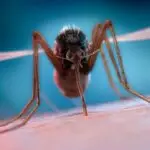
- Mosquitoes: They bite humans and animals, causing itchy bumps and spreading diseases like malaria and dengue fever.
- Termites: These insects eat wood, damaging buildings and furniture.
- Locusts: Locusts destroy crops by eating leaves, affecting our food supply.
- Houseflies: They land on food and spread germs, causing sickness. Learn about the dangers of food poisoning from flies.
- Aphids: These small insects suck plant juices, weakening and killing plants. Read about aphids and how to control them.
- Cockroaches: They carry bacteria and allergens, causing health problems.
- Fleas: They are parasites feeding on animal and human blood, causing itching and skin irritation.
- Bed Bugs: These small insects feed on human blood, causing itchy bites and allergic reactions.
- Tsetse Flies: These flies transmit diseases like trypanosomiasis (sleeping sickness) to humans and nagana to animals.
- Armyworms: These pests can destroy entire fields of crops overnight, leading to significant agricultural losses.
Teaching Methods
To deliver this lesson, the teacher will adopt the following methods: Discussion, question and answer, Use of visuals
Instructional Procedures
To deliver this lesson, the teacher will adopt the following steps:
Step 1: Introduction
Time: 5 minutes
Teaching Skill: Set Induction
Teacher’s Activity: Review previous lesson, introduce the topic of harmful insects.
Pupils’ Activity: Respond to teacher’s questions, listen attentively.
Step 2: Description of Key Concepts
Time: 10 minutes
teaching Skill: Explaining
Teacher’s Activity: Define harmful insects and explain their impact.
Pupils’ Activity: listen attentively, ask clarifying questions.
Step 3: Demonstration/Guided Practice
Time: 10 minutes
Teaching Skill: Demonstrating
Teacher’s Activity: Show pictures of harmful insects, discuss their characteristics and effects.
Pupils’ Activity: Observe pictures, participate in discussions.
Step 4: Autonomous practice
Time: 5 minutes
Teaching Skill: Monitoring
Teacher’s Activity: Guide pupils in identifying harmful insects from pictures.
Pupils’ Activity: Identify insects independently.
Step 5: Note-taking
Time: 5 minutes
Teaching Skill: Note-taking
Teacher’s Activity: Guide pupils in taking notes on key concepts.
Pupils’ Activity: Take notes on key concepts.
Step 6: Evaluation/Review
Time: 5 minutes
Teaching Skill: Questioning
Teacher’s Activity: Ask evaluation questions.
Pupils’ Activity: Answer evaluation questions.
Objective-aligned checks:
- List examples of harmful insects.
- Identify harmful insects in pictures.
- Show awareness of the dangers posed by harmful insects.
Step 7: Conclusion
Time: 5 minutes
Teaching Skill: Summarizing
teacher’s Activity: Summarize the key points and assign homework.
Pupils’ Activity: Listen to the summary and note the homework assignment.
Lesson Keywords
- Harmful Insects – Insects that cause harm to humans, animals, or plants.
- mosquitoes – Insects that bite and spread diseases like malaria.
- Termites – Insects that eat wood and damage buildings.
- Locusts – Insects that destroy crops by eating leaves.
- houseflies – Insects that spread germs by landing on food.
- Aphids – Small insects that suck plant juices, weakening plants.
Lesson evaluation
To evaluate the learning, the teacher asks pupils to:
- List three examples of harmful insects.
- How do mosquitoes harm humans?
- What do termites do to buildings?
- What is the impact of locusts on crops?
- Which insect spreads germs by landing on food?
- What are some ways to protect yourself from harmful insects?
Assignment/Homework
- Draw your favorite harmful insect.
- Describe its harmful effects.
Differentiation
- For slower learners: The teacher will provide one-on-one assistance and use simpler language.
- For advanced learners: The teacher will encourage them to research additional examples of harmful insects.
- For visual/auditory/kinesthetic learners: Use visual aids, discussions, and hands-on activities to cater to diffrent learning styles.
Note for Teachers
Ensure to use real-life examples and visuals to make the lesson engaging and relatable for the pupils. Encourage active participation and provide support to slower learners.
Community Join the conversation Open discussion +