

Class: Junior Secondary School 3 (JSS3, JSS 3)
Term: 1st Term
Week: 7
Age: 14 years
Duration: 45 minutes
Subject: Pre-Vocational Studies
Curriculum Theme: Home Economics
Previous Lesson: Factors Influencing Child Development and Conditions Necessary for Child Development
Topic: Child Development And Care (Part 3)
Subject Matter: Identifying common childhood ailments, Signs and symptoms, Treatments
Specific Objectives
By the end of the lesson, pupils should be able to:
- Cognitive Domain:
(a) Identify common childhood ailments.
(b) State the signs and symptoms of these ailments.
(c) Explain simple treatments and preventive measures. - Affective Domain:
(a) Appreciate the importance of early detection and care of sick children. - Psychomotor Domain:
(a) Demonstrate basic care practices for children with minor ailments. - Social Domain:
(a) Participate cooperatively in group discussions about child health and care.
Reference Materials
The following resources was used in planning this lesson:
- 9 Years Basic Education Curriculum
- Lagos State Unified Scheme of work for Junior Secondary Schools
- nidirect – Childhood illnesses
- Relevant Textbooks
Instructional Materials
The teacher will teach this lesson with the aid of:
- Charts showing pictures of common childhood ailments
- Flashcards listing symptoms and treatments
- Samples of common first aid materials (bandage, thermometer, disinfectant)
- Short video clips on child care and hygiene practices
- Whiteboard and marker
Rationale for the Lesson
This lesson enables pupils to recognize common childhood ailments, their symptoms, and simple treatments to promote child health and prevent complications.
Prerequisite/Previous Knowledge
Pupils have previously learned about the stages of child development and basic care of infants and can identify when a child is unwell or uncomfortable.
Lesson Content/Board Summary
Child Development and Care
Common Childhood Ailments
Children are easily affected by illnesses due to their developing immune systems. Knowing these common ailments helps caregivers to detect and treat them early.
The following are common childhood ailments:
- Malaria
- Measles
- Diarrhoea
- Cough and Cold
- Worm Infestation
- Chickenpox
- Ear Infection
- Skin Rashes
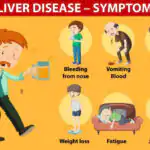
Signs and Symptoms of Common Childhood Ailments
Each childhood ailment shows specific signs and symptoms that help to identify it early. Recognizing these signs helps in giving the right care or seeking medical help quickly.
The following are signs and symptoms of common childhood ailments:
- Malaria – High fever, sweating, chills, weakness, loss of appetite.
- Measles – Fever, cough, red eyes, runny nose, rash all over the body.
- Diarrhoea – Frequent watery stool, dehydration, sunken eyes, weakness.
- Cough and Cold – Sneezing, runny nose, sore throat, mild fever.
- Worm Infestation – Stomach pain, loss of appetite, tiredness, weight loss.
- Chickenpox – Itchy rashes, blisters, mild fever, loss of appetite.
- Ear Infection – Ear pain, discharge from ear, irritability, hearing difficulty.
- Skin Rashes – Red spots, itching, irritation, dry or scaly skin.
Treatments and Preventive Measures
Treating childhood ailments quickly helps prevent serious illness and ensures healthy growth. Some illnesses can be treated at home with simple remedies, while others need medical attention.
The following are common treatments and preventive measures:
- Give prescribed medicine from a doctor for serious cases.
- Ensure the child gets plenty of clean water and rest.
- Maintain good hygiene and proper sanitation.
- Use mosquito nets and keep surroundings clean to prevent malaria.
- Give oral rehydration solution (ORS) during diarrhoea to prevent dehydration.
- Keep immunization up to date to prevent diseases like measles and polio.
- Avoid sharing towels or clothes to prevent infections.
- Feed children balanced diets to build strong immunity.
Teaching Methods/Instructional Techniques:
Discussion, Lecture, Explanation, Demonstration, Question and Answer, Visual Aids, Group Work
Instructional Procedures
To deliver this lesson, the teacher will adopt the following steps:
Step 1: Introduction
Time: 5 minutes
Teaching Skill: Set Induction
Teacher’s Activity: Teacher asks pupils questions about how they feel when they are sick and relates it to how children also fall ill easily.
Pupils’ Activity: Pupils share experiences of being sick or caring for sick younger ones.
Learning Point: Pupils recall and relate previous knowledge to the topic of child ailments and care.
Step 2: Common Childhood Ailments
Time: 10 minutes
Teaching Skill: Explanation
Teacher’s Activity: Teacher displays a chart showing different childhood ailments and explains each one briefly.
Pupils’ Activity: Pupils observe and listen attentively.
Learning Point: Pupils identify and recall common ailments that affect children.
Step 3: Signs and Symptoms
Time: 10 minutes
Teaching Skill: Discussion
Teacher’s Activity: Teacher explains the signs and symptoms of the common ailments and asks pupils to identify them.
Pupils’ Activity: Pupils participate in discussion and give examples from personal observation.
Learning Point: Pupils recognize symptoms that indicate a child is ill.
Step 4: Treatment and Preventive Measures
Time: 10 minutes
Teaching Skill: Demonstration
Teacher’s Activity: Teacher demonstrates how to prepare oral rehydration solution (ORS) and shows items used in child care.
Pupils’ Activity: Pupils watch attentively and practice preparing ORS.
Learning Point: Pupils understand simple treatments and how to care for sick children safely.
Step 5: Note-Taking
Time: 5 minutes
Teaching Skill: Explanation
Teacher’s Activity: Teacher writes the board summary for pupils to copy.
Pupils’ Activity: Pupils copy notes neatly into their books.
Learning Point: Pupils keep accurate written records of the lesson.
Step 6: Evaluation/Review
Time: 3 minutes
Teaching Skill: Questioning
Teacher’s Activity: The teacher evaluates the learning by asking the following questions:
- Mention four common childhood ailments.
- State two signs of malaria in children.
- List three preventive measures for childhood ailments.
Pupils’ Activity: Pupils respond orally to the questions.
Learning Point: Pupils show understanding of the lesson through their answers.
Step 7: Conclusion
Time: 2 minutes
Teaching Skill: Reinforcement
Teacher’s Activity: Teacher summarizes the lesson and encourages pupils to practice good hygiene and care habits.
Pupils’ Activity: Pupils listen and ask relevant questions.
Learning Point: Pupils appreciate the need to maintain child health and prevent sickness.
Lesson Keywords
- Ailment – sickness or disease of the body.
- Symptom – a sign showing that someone is sick.
- Treatment – care given to make a sick person well.
- Immunity – the body’s ability to resist disease.
- Prevention – actions taken to stop sickness from occurring.
Differentiation
Teacher provides simpler explanations and visuals for slower learners, while advanced learners help demonstrate treatments and preventive practices in groups.
Note for teachers using this lesson plan
Ensure pupils understand that some illnesses require medical attention. Use real-life examples carefully and maintain hygiene during any practical demonstration.

Community Join the conversation Open discussion +