

Class: Primary Three
Term: Second Term
Subject: National Values Education
Curriculum Theme: Social Studies
Previous Lesson:
Topic: Illness
Content/Learning Area: Defining illness, listing symptoms of illness, expressing empathy towards the ill
Time Allocation: 40 minutes
Performance objectives
By the end of the lesson, pupils should be able to:
- Cognitive Domain:
1. define the concept of illness.
2. List at least three symptoms of illness.
- Psychomotor Domain:
1. Demonstrate empathy towards those who are ill.
- Affective Domain:
1. Show concern for those who are ill.
- Social Domain:
1. Interact appropriately with ill individuals.
Reference Materials
- 9 – Years basic Education Curriculum
- Abuja Educational Resource Centre Scheme of Work
- NAPPS National Unified Scheme of Work
- Online Details
- Relevant textbooks
Instructional Materials
To deliver this lesson, the teacher will use a whiteboard or chart paper, markers, and relevant pictures.
Rationale for the Lesson
Understanding illness helps children develop self-care skills and empathy towards others. This knowledge is crucial for their overall well-being and social development.
Prerequisite/Previous Knowledge
Pupils have likely experienced being ill or no someone who has been ill.
Lesson Content
Illness
Illness is when our bodies don’t work correctly, making us feel unwell and affecting our daily activities.It can be caused by germs (tiny organisms), injuries, or lifestyle factors like poor diet or lack of sleep. Learning about healthy habits is crucial to prevent illness.
What is illness?
Illness can be caused by various factors. These include:
- Germs: Tiny organisms that can make us sick.
- Injuries: When we hurt ourselves.
- Lifestyle: Our habits, like not eating healthy foods or not getting enough sleep.
- Environmental factors: Exposure to pollutants or toxins in the surroundings.
- Genetic factors: Inherited predispositions to certain diseases.
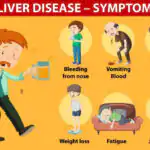
Symptoms Of Illness
Symptoms are the signs that show something is wrong with our body. The following are common symptoms of illness:
- Fever: Higher than normal body temperature.
- Cough: Making a sound while breathing out.
- Headache: When our head hurts.
- Fatigue: Feeling tired and weak.
- Pain: When a part of our body hurts.
- Nausea: Feeling sick to your stomach.
- Dizziness: Feeling unsteady or lightheaded.
Teaching Methods
To deliver this lesson, the teacher will adopt the following methods: Discussion, Question and Answer, and Exhibition.
Instructional Procedures
To deliver this lesson, the teacher will adopt the following steps:
Step 1: Introduction
Time: 5 minutes
teaching Skill: set Induction
Teacher’s Activity: Asks pupils about their experiences with illness.
Pupils’ Activity: Share their experiences and feelings.
Step 2: Description of Key Concepts
Time: 10 minutes
teaching Skill: Explaining
Teacher’s activity: Defines illness and explains it’s causes.
Pupils’ Activity: Listen attentively and ask clarifying questions.
Step 3: Common Symptoms of Illness
Time: 10 minutes
Teaching Skill: Modeling
Teacher’s Activity: Lists and explains common symptoms of illness.
Pupils’ Activity: Participate in identifying symptoms and discuss examples.
Step 4: Identifying Symptoms
Time: 5 minutes
Teaching Skill: Monitoring
Teacher’s Activity: Guides pupils in identifying symptoms from given scenarios.
Pupils’ Activity: Work individually or in pairs to identify symptoms.
Step 5: Note-Taking
Time: 5 minutes
Teaching Skill: Note-taking
Teacher’s Activity: Guides pupils in summarizing key points.
Pupils’ Activity: Write down key definitions and symptoms.
Step 6: Evaluation/Review
Time: 5 minutes
Teaching Skill: Questioning
Teacher’s Activity: Asks review questions to assess understanding.
Pupils’ Activity: Answer questions to demonstrate understanding.
Objective-aligned checks:
- define the concept of illness.
- List at least three symptoms of illness.
- Demonstrate empathy towards those who are ill.
Step 7: Conclusion
Time: 2 minutes
Teaching skill: Summarizing
Teacher’s Activity: summarizes the key points about illness and its symptoms, emphasizing the importance of empathy and healthy habits.
Pupils’ Activity: Listen attentively and ask any remaining questions.
Lesson Keywords
- Illness – A condition when the body does not function normally.
- Symptoms – Signs that indicate a person is sick.
- Germs – Tiny organisms that can cause illness.
- Empathy – Understanding and sharing the feelings of others.
- Hygiene – Practices that promote cleanliness and health.
Lesson Evaluation
To evaluate the learning, the teacher asks pupils to:
- What is illness?
- Name three symptoms of illness.
- How can we show kindness to someone who is ill?
Assignment/Homework
- List five ways to prevent illness.
- Write a short paragraph about how you can show empathy to someone who is sick.
Differentiation
- For slower learners: Provide one-on-one assistance and simplified explanations.
- For advanced learners: Encourage them to research additional facts about illness prevention.
- For visual/auditory/kinesthetic learners: Use visual aids, discussions, and role-playing activities to cater to different learning styles.
Note for Teachers
Ensure to create a supportive and inclusive environment where pupils feel agreeable sharing their experiences and asking questions about illness. Emphasize the importance of empathy and kindness towards those who are sick.



Community Join the conversation Open discussion +