

Class: Junior Secondary School 3 (JSS3, JSS 3)
Term: 1st Term
Week: 6
Age: 14 years
Duration: 45 minutes
Subject: Pre-Vocational Studies
Curriculum Theme: Home Economics
Previous Lesson: Child Development, Stages and Care of the Child
Topic: Child Development And Care (Part 2)
Subject Matter: Factors Influencing child development, Conditions necessary for child development.
Specific Objectives
By the end of the lesson, pupils should be able to:
- Cognitive Domain:
(a) Identify the major factors Influencing child development.
(b) Explain the conditions necessary for proper child development. - Affective Domain:
(a) Appreciate the importance of providing good care for children. - Psychomotor Domain:
(a) Demonstrate simple caregiving practices suitable for children. - Social Domain:
(a) Work in groups to discuss how families and communities can support child development.
Reference Materials
The following resources was used in planning this lesson:
- 9 Years Basic Education Curriculum
- Lagos State Unified Scheme of work for Junior Secondary Schools
- UNICEF – “Factors Influencing Child Development” (https://www.unicef.org/parenting/child-development)
- Relevant Textbooks
Instructional Materials
The teacher will teach this lesson with the aid of:
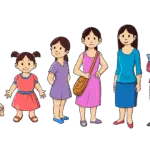
- Charts showing stages of child development
- Pictures of children in different environments
- Flash cards listing factors and conditions of child development
- Video clips on child care practices
- Whiteboard and markers
Rationale for the Lesson
This lesson helps learners understand the influences on child development and how good care and environment support healthy growth and development.
Prerequisite/Previous Knowledge
Pupils have been taught the meaning, stages, and importance of child development and can identify some basic child care practices from home experiences.
Lesson Content/Board Summary
Child Development and Care
Factors Influencing Child Development
Child development is affected by several factors that shape the physical, mental, emotional, and social growth of a child. These factors can either promote or hinder proper development.
The following are factors that influence child development:
- Heredity: Traits passed from parents to children such as height, complexion, and intelligence.
- Environment: The surroundings where the child lives, including home, school, and neighborhood.
- Nutrition: The kind of food a child eats affects growth, health, and brain function.
- Health: A healthy child develops faster and better than one who is often sick.
- Parental Care: Love, attention, and discipline from parents help a child grow emotionally and socially.
- Education: Access to learning opportunities helps in mental and social development.
- Social and Cultural Factors: Customs, traditions, and beliefs influence behavior and attitudes.
- Economic Status: The financial condition of the family affects access to food, healthcare, and education.
Conditions Necessary for Child Development
Certain conditions must be provided to ensure proper child growth and development. These conditions help the child to reach full potential physically, mentally, emotionally, and socially.
The following are conditions necessary for child development:
- Adequate Nutrition: Balanced diet for healthy growth and brain development.
- Good Health Care: Regular medical check-ups, immunization, and hygiene practices.
- Love and Emotional Support: A child needs affection and care to build confidence and security.
- Safe and Clean Environment: Protection from harm, accidents, and pollution.
- Education and Stimulation: Learning activities that promote thinking and creativity.
- Rest and Sleep: Proper rest and enough sleep aid body growth and mental alertness.
- Moral and Social Guidance: Teaching good manners, discipline, and responsibility.
- Play and Recreation: Opportunities to play, interact, and develop physical and social skills.
Teaching Methods/Instructional Techniques:
Lecture, Discussion, Explanation, Storytelling, Group Work, Question and Answer, Demonstration, Visual Aids
Instructional Procedures
To deliver this lesson, the teacher will adopt the following steps:
Step 1: Introduction
Time: 5 minutes
Teaching Skill: Set Induction
Teacher’s Activity: The teacher tells a short story about two children raised in different environments and asks pupils what may make one develop better than the other.
Pupils’ Activity: Pupils listen to the story and respond by giving their opinions.
Learning Point: Pupils understand that child development is influenced by various factors.
Step 2: Factors Influencing Child Development
Time: 10 minutes
Teaching Skill: Explanation
Teacher’s Activity: The teacher explains and lists the major factors that affect child development using charts and examples.
Pupils’ Activity: Pupils listen, take notes, and identify examples around them.
Learning Point: Pupils understand the major factors influencing child development.
Step 3: Conditions Necessary for Child Development
Time: 10 minutes
Teaching Skill: Discussion
Teacher’s Activity: The teacher discusses the essential conditions that promote proper child growth and development.
Pupils’ Activity: Pupils discuss in small groups and share examples from their families or communities.
Learning Point: Pupils know the key conditions required for healthy child development.
Step 4: Demonstration of Care Practices
Time: 10 minutes
Teaching Skill: Demonstration
Teacher’s Activity: The teacher demonstrates or shows pictures of proper child care practices like feeding, bathing, and creating a safe environment.
Pupils’ Activity: Pupils observe and practice simple demonstrations in groups.
Learning Point: Pupils learn basic care skills that support child development.
Step 5: Note-Taking
Time: 5 minutes
Teaching Skill: Explanation
Teacher’s Activity: The teacher writes the board summary for pupils to copy into their notebooks.
Pupils’ Activity: Pupils copy the note carefully.
Learning Point: Pupils have written notes on the lesson for future study.
Step 6: Evaluation/Review
Time: 3 minutes
Teaching Skill: Questioning
Teacher’s Activity: The teacher evaluates the learning by asking the following questions:
- Mention four factors that influence child development.
- List four conditions necessary for child development.
- How does nutrition affect child development?
Pupils’ Activity: Pupils respond to the questions orally.
Learning Point: Pupils recall key points and demonstrate understanding of the lesson.
Step 7: Conclusion
Time: 2 minutes
Teaching Skill: Reinforcement
Teacher’s Activity: The teacher summarizes the lesson, emphasizing the need for good care and environment for children to grow well.
Pupils’ Activity: Pupils listen and ask questions for clarification.
Learning Point: Pupils appreciate the importance of factors and conditions that promote child development.
Lesson Keywords
- Heredity – traits passed from parents to their children
- Nutrition – the kind of food taken to promote health and growth
- Environment – surroundings where a person lives and grows
- Stimulation – activities that encourage thinking and learning
- Development – gradual growth and improvement in body and mind
Differentiation
Teacher provides simpler examples and illustrations for slower learners, while advanced learners research and present additional factors influencing development.
Note for teachers using this lesson plan
Relate the topic to real-life examples pupils can observe at home. Ensure participation during discussions and demonstrations. Encourage pupils to value and promote child care practices.



Community Join the conversation Open discussion +