

Class: Junior Secondary School 3 (JSS3, JSS 3)
Term: 2nd Term
Week: 2
Age: 14 years
Duration: 45 minutes
Subject: Pre Vocational Studies
Curriculum Theme: Home Economics
Previous Lesson: Textiles and Basic Textile Terms
Topic: Textiles (part 2)
Subject Matter: Reasons for studying textiles, Importance of textiles.
Specific Objectives
By the end of the lesson, pupils should be able to:
- Cognitive Domain:
(a) Explain the reasons for studying textiles.
(b) Identify the importance of textiles in daily life. - Affective Domain:
(a) Demonstrate appreciation for the role of textiles in society.
(b) Show interest in learning more about textile materials and their uses. - Psychomotor Domain:
(a) Handle and identify different types of textile materials correctly.
(b) Demonstrate basic textile handling and maintenance skills. - Social Domain:
(a) Work collaboratively in group activities to explore textiles.
(b) Respect others’ contributions during textile-related discussions.
Reference Materials
The following resources were used in planning this lesson:
- 9 Years Basic Education Curriculum
- Lagos State Unified Scheme of Work for Junior Secondary Schools
- Britannica – Textile | Description, Industry, Types, & Facts
- Relevant Textbooks
Instructional Materials
The teacher will teach this lesson with the aid of:
- Samples of different textile materials (cotton, silk, wool, polyester)
- Charts showing uses and types of textiles
- Pictures and posters of clothing and household textiles
- Whiteboard and markers
- Computer/projector for showing short textile videos
- Handouts on textile definitions and benefits
Rationale for the Lesson
Understanding textiles equips pupils with knowledge of materials, their uses, and their role in daily life, fostering appreciation and practical skills.
Prerequisite/Previous Knowledge
Pupils should have basic awareness of everyday clothing and household fabrics, including informal knowledge of common textile materials used at home.
Lesson Content/Board Summary
Textiles
Reasons for Studying Textiles
Textiles form an essential part of human life, providing clothing, comfort, and cultural identity. Studying textiles helps individuals understand material properties, usage, and maintenance.
The following are reasons for studying textiles:
- To understand the different types of textile materials.
- To learn how textiles are used in clothing, household items, and industrial products.
- To acquire knowledge for proper care and maintenance of textile products.
- To prepare for careers in fashion, tailoring, and textile industries.
- To appreciate the cultural and economic significance of textiles in society.
Importance of Textiles
Textiles play a critical role in daily life, from clothing to household items and industries. They provide comfort, protection, and aesthetic value.
These include the following importance of textiles:
- Clothing: Textiles provide garments for everyday wear and special occasions.
- Household Uses: Textiles are used in curtains, beddings, upholstery, and table linens.
- Industrial Uses: Textiles are used in automotive, medical, and construction industries.
- Economic Value: Textile production contributes to employment and income generation.
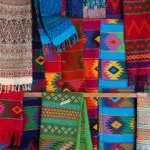
- Cultural Expression: Traditional and modern textiles reflect cultural identity and heritage.
- Personal Comfort: Textiles help regulate body temperature and provide physical comfort.
Teaching Methods/Instructional Techniques
Discussion, Lecture, Storytelling, Explanation, Visual Aids, Group Work
Instructional Procedures
To deliver this lesson, the teacher will adopt the following steps:
Step 1: Introduction
Time: 5 minutes
Teaching Skill: Set Induction
Teacher’s Activity: Engage pupils by asking about their favorite clothing and household fabrics. Introduce the topic “Textiles (Part 2)” and relate it to daily life.
Pupils’ Activity: Respond to questions and share examples of textiles they use daily.
Learning Point: Pupils are motivated and connected to the lesson through personal experience.
Step 2: Reasons for Studying Textiles
Time: 10 minutes
Teaching Skill: Explanation
Teacher’s Activity: Present the reasons for studying textiles using charts and sample materials. Explain each point clearly and give relatable examples.
Pupils’ Activity: Listen, observe samples, and take notes.
Learning Point: Pupils understand why studying textiles is important for practical and professional purposes.
Step 3: Importance of Textiles
Time: 10 minutes
Teaching Skill: Discussion and Visual Aids
Teacher’s Activity: Display pictures of clothing, household textiles, and industrial textiles. Explain the economic, cultural, and personal significance of textiles.
Pupils’ Activity: Participate in discussion and identify examples from their homes and community.
Learning Point: Pupils can recognize the diverse uses and value of textiles.
Step 4: Examples of Textiles in Daily Life
Time: 5 minutes
Teaching Skill: Demonstration
Teacher’s Activity: Show actual samples of textiles and ask pupils to classify them (e.g., cotton, silk, wool).
Pupils’ Activity: Handle materials and categorize them correctly.
Learning Point: Pupils develop practical skills in identifying and classifying textiles.
Step 5: Note-Taking
Time: 5 minutes
Teaching Skill: Guided Writing
Teacher’s Activity: Guide pupils to summarize reasons for studying textiles and their importance in their notebooks.
Pupils’ Activity: Write key points from the board summary.
Learning Point: Pupils consolidate learning and create a personal record of the lesson.
Step 6: Evaluation/Review
Time: 5 minutes
Teaching Skill: Questioning
Teacher’s Activity: The teacher evaluates the learning by asking the following questions:
- State two reasons for studying textiles.
- List three importance of textiles in daily life.
- Give examples of textiles used at home.
Pupils’ Activity: Answer questions orally and in writing.
Learning Point: Pupils demonstrate understanding and retention of key concepts.
Step 7: Conclusion
Time: 5 minutes
Teaching Skill: Reinforcement
Teacher’s Activity: Summarize the lesson, emphasize key points, and relate the importance of textiles to future studies and everyday life.
Pupils’ Activity: Listen attentively and ask clarifying questions.
Learning Point: Pupils leave the class with a clear understanding of the lesson content.
Lesson Keywords
- Textile – fabric or material used for clothing and household items
- Fabric – another term for textile material
- Maintenance – care and preservation of textiles
- Cultural Identity – representation of traditions and customs through textiles
- Industrial Use – textiles used in production and manufacturing
Differentiation
Use varied instructional materials, visual aids, and group discussions to cater to diverse learning styles and abilities.
Note for teachers using this lesson plan
Encourage pupils to bring samples of textiles from home for practical demonstrations. Highlight local textile examples to connect learning to students’ environment.



Community Join the conversation Open discussion +