

Class: Junior Secondary School 3 (JSS 3 / JS3)
Term: Third Term
Week: 3
Age: 14 years
Duration: 45 minutes
Subject: Pre-Vocational Studies
Curriculum Theme: Home Economics
Previous Lesson: Harshe: Takaitaccen Bayani Akan Lokutan Hausa. Misali.
Topic: Packaging of Food Item
Subject Matter: Meaning of food packaging: Preparation of food for packaging
Specific Objectives
By the end of the lesson, pupils should be able to:
Cognitive Domain:
- Define food packaging.
- State at least three reasons for packaging food items.
- Identify various materials used for food packaging.
Affective Domain:
- Appreciate the importance of proper food packaging for safety and preservation.
- Develop an interest in hygienic practices during food preparation and packaging.
Psychomotor Domain:
- Demonstrate simple techniques for packaging different food items.
- Prepare a food item for packaging.
Social Domain:
- Work cooperatively with peers during practical food packaging activities.
Reference Materials
The following resources were used in planning this lesson:
- 9 Years Basic Education Curriculum for Pre-Vocational Studies (Home Economics) JSS 3
- State Unified Scheme of Work for Pre-Vocational Studies JSS 3
- Pre-Vocational Studies for Junior Secondary Schools Book 3
Instructional Materials
The teacher will teach this lesson with the aid of:
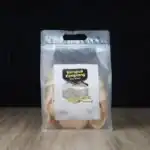
- Examples of various packaged food items (e.g., biscuits, garri, groundnuts)
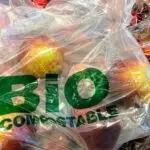
- Different packaging materials (e.g., cellophane, plastic containers, glass jars, paper bags, aluminum foil)
- A food item to be packaged (e.g., dried pepper, beans, or garri)
Rationale for the Lesson
This lesson helps pupils understand the importance of packaging food to keep it safe, fresh, and attractive. It also teaches them practical skills for preparing and packaging food items, which can be useful in their homes and for small businesses.
Prerequisite/Previous Knowledge
Pupils have basic knowledge of food hygiene, food preservation methods, and different types of food items.
Lesson Content/Board Summary
Packaging of Food Item
Meaning of Food Packaging
Food packaging is the process of enclosing food in a container or wrapper to protect it from contamination, damage, and spoilage. It ensures the food remains safe, fresh, and appealing until it is consumed.
Reasons for Food Packaging
The following are important reasons for packaging food items:
- Protection: It protects food from physical damage, contamination by dirt, dust, insects, and microorganisms.
- Preservation: Packaging helps to extend the shelf life of food by protecting it from moisture, air, and light, which can cause spoilage.
- Convenience: Packaged foods are easier to transport, store, and use. They often come in ready-to-use portions.
- Information: Packaging provides important information about the food, such as ingredients, nutritional value, expiry date, and storage instructions.
- Marketing: Attractive packaging helps to promote the product and catch the attention of consumers.
- Hygiene: It maintains the cleanliness and sanitary condition of the food.
Types of Food Packaging Materials
The following are common materials used for food packaging:
- Plastic: Used for bottles, containers, and wraps. It is lightweight and versatile (e.g., plastic bottles for drinks, plastic bags for snacks).
- Glass: Used for jars and bottles. It is non-reactive and provides good visibility of the product (e.g., glass jars for jam, glass bottles for soft drinks).
- Metal: Used for cans and foils. It provides excellent barrier protection against light, air, and moisture (e.g., tin cans for sardines, aluminum foil for wrapping).
- Paper and Cardboard: Used for cartons, boxes, and bags. It is lightweight and can be easily printed on (e.g., cereal boxes, paper bags for bread).
- Laminates: Layers of different materials combined to offer enhanced protection (e.g., foil-lined pouches for juice).
Preparation of Food for Packaging
Proper preparation is essential before packaging food to ensure its quality and safety. Key steps include:
- Cleaning: Ensure the food item is thoroughly cleaned and free from dirt, impurities, or foreign objects.
- Drying: For dry food items (e.g., beans, garri, spices), ensure they are completely dry to prevent mold growth. Moisture is a major cause of spoilage.
- Cooling: If packaging cooked food, allow it to cool completely before packaging to prevent condensation and bacterial growth.
- Portioning: Divide the food into appropriate serving sizes or quantities for packaging. This makes it convenient for consumers.
- Sealing: Ensure the packaging material is properly sealed to prevent air entry, leakage, or contamination.
- Labeling: Label the packaged food with essential information such as the name of the food, date of packaging, expiry date, and ingredients.
Teaching Methods/Instructional Techniques
Discussion, Lecture, Demonstration, Question and Answer, Visual Aids
Instructional Procedures
Step 1: Introduction
Time: 5 minutes
Teaching Skill: Set Induction
Teacher’s Activity: The teacher displays various packaged food items and asks pupils to identify them and state why they are packaged.
Pupils’ Activity: Pupils identify the food items and suggest reasons for their packaging.
Learning Point: Pupils are introduced to the concept of food packaging and its importance.
Step 2: Meaning of Food Packaging
Time: 7 minutes
Teaching Skill: Explanation/Definition
Teacher’s Activity: The teacher explains the meaning of food packaging and writes the definition on the board.
Pupils’ Activity: Pupils listen attentively and copy the definition into their notebooks.
Learning Point: Pupils understand the definition of food packaging.
Step 3: Reasons for Food Packaging
Time: 7 minutes
Teaching Skill: Discussion/Listing
Teacher’s Activity: The teacher leads a discussion on various reasons why food items are packaged, highlighting protection, preservation, and convenience.
Pupils’ Activity: Pupils contribute to the discussion and list the reasons for food packaging.
Learning Point: Pupils can state reasons for packaging food items.
Step 4: Types of Food Packaging Materials
Time: 8 minutes
Teaching Skill: Demonstration/Identification
Teacher’s Activity: The teacher displays different packaging materials (plastic, glass, metal, paper) and explains their uses and characteristics.
Pupils’ Activity: Pupils observe the materials, identify them, and note their uses.
Learning Point: Pupils can identify various food packaging materials.
Step 5: Preparation of Food for Packaging
Time: 8 minutes
Teaching Skill: Demonstration/Explanation
Teacher’s Activity: The teacher demonstrates how to prepare a food item (e.g., dried pepper or garri) for packaging, emphasizing cleaning, drying, and proper sealing.
Pupils’ Activity: Pupils observe the demonstration and ask questions for clarification.
Learning Point: Pupils learn the steps involved in preparing food for packaging.
Step 6: Practical Application/Discussion
Time: 5 minutes
Teaching Skill: Collaborative Learning
Teacher’s Activity: The teacher divides pupils into small groups and provides them with a simple food item and packaging materials to practice simple packaging.
Pupils’ Activity: Pupils work in groups to practice packaging and discuss their observations.
Learning Point: Pupils apply their knowledge practically and discuss challenges and solutions.
Step 7: Evaluation/Review
Time: 5 minutes
Teaching Skill: Questioning/Assessment
Teacher’s Activity: The teacher evaluates the learning by asking the following questions:
- What is food packaging?
- State three reasons why food items are packaged.
- Mention two common materials used for food packaging.
- List two important steps in preparing food for packaging.
Pupils’ Activity: Pupils answer orally and in writing.
Learning Point: Pupils demonstrate understanding of the lesson.
Step 8: Conclusion
Time: 3 minutes
Teaching Skill: Summarization
Teacher’s Activity: The teacher summarizes the key points of the lesson, reiterating the importance of proper food packaging for health and economic benefits.
Pupils’ Activity: Pupils listen and ask any remaining questions.
Learning Point: Pupils consolidate their understanding of the lesson.
Lesson Keywords
- Packaging – The process of enclosing food in a container or wrapper.
- Preservation – Keeping food safe from spoilage for a longer time.
- Hygiene – Practices that ensure cleanliness and health, especially in food handling.
- Materials – Substances used for packaging, like plastic, glass, or paper.
- Sealing – Closing a package tightly to prevent air or contaminants from entering.
Differentiation
For struggling learners, the teacher will provide more direct guidance during practical activities and simplify explanations. Advanced learners will be encouraged to research different types of packaging for specific food groups and present their findings.
Note for teachers using this lesson plan
Teachers should ensure all materials for the practical demonstration are readily available and safe for use. Emphasize hygiene throughout the lesson, especially during the practical aspects. Encourage pupils to bring examples of packaged food items from home for a richer discussion.

Community Join the conversation Open discussion +