

Class: Junior Secondary School 3 (JSS3, JSS 3)
Term: 1st Term
Week: 9
Age: 14 years
Duration: 45 minutes
Subject: Pre-Vocational Studies
Curriculum Theme: Home Economics
Previous Lesson: Meaning and Types of Immunization for Children
Topic: Preparation of Meals
Subject Matter: Meals for infants etc, Practical on meals for infants and toddlers
Specific Objectives
By the end of the lesson, pupils should be able to:
- Cognitive Domain:
(a) State examples of suitable meals for infants and toddlers.
(b) Explain the basic steps involved in preparing meals for infants and toddlers. - Affective Domain:
(a) Appreciate the importance of feeding infants and toddlers with nutritious meals.
(b) Show concern for good hygiene and safety when preparing baby meals. - Psychomotor Domain:
(a) Demonstrate the preparation of a simple meal suitable for infants or toddlers. - Social Domain:
(a) Work cooperatively in groups during the practical demonstration.
Reference Materials
The following resources was used in planning this lesson:
- 9 Years Basic Education Curriculum
- Lagos State Unified Scheme of work for Junior Secondary Schools
- World Health Organization – “Complementary Feeding” (https://www.who.int/health-topics/complementary-feeding)
- Relevant Textbooks
Instructional Materials
The teacher will teach this lesson with the aid of:
- Cooking utensils (pot, spoon, plates, measuring cup)
- Food ingredients (rice, milk, vegetables, pap, beans)
- Pictures or charts of healthy infant meals
- Aprons and head covers
- Source of heat (stove or gas cooker)
Rationale for the Lesson
This lesson helps pupils understand the importance of nutritious and hygienic meal preparation for infants and toddlers to ensure proper growth and health.
Prerequisite/Previous Knowledge
Pupils are familiar with the basic rules of food hygiene and meal preparation from previous lessons and home experiences.
Lesson Content/Board Summary
Preparation of Meal
Meals for Infants
Infants are babies between birth and one year old. Their meals must be soft, easily digestible, and rich in nutrients needed for rapid growth and development.
Examples include:
- Breast milk (most important food for infants).
- Pap made from maize, millet, or guinea corn.
- Mashed potatoes or soft rice mixed with milk.
- Pureed vegetables like carrot or pumpkin.
- Custard or soft cereal enriched with milk and sugar.
Meals for Toddlers
Toddlers are children between one and three years of age. Their meals should be slightly thicker than that of infants and must provide balanced nutrition for growth and energy.
Examples include:
- Soft boiled rice with fish or egg.
- Mashed beans with oil and vegetables.
- Plantain porridge or yam porridge.
- Custard with milk and fruits.
- Vegetable soup with soft swallow (like semovita or yam flour).
Principles of Preparing Meals for Infants and Toddlers
When preparing meals for infants and toddlers, cleanliness and proper cooking methods are very important to prevent sickness and maintain the child’s health.
The following are basic principles to observe:
- Wash hands, utensils, and cooking environment properly.
- Use clean and safe water for cooking.
- Select fresh and clean ingredients.
- Cook food properly to make it soft and digestible.
- Avoid too much salt, pepper, or oil.
- Serve food warm, not hot.
- Feed the child gently and patiently.
Practical on Meal Preparation for Infants and Toddlers
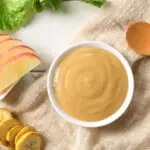
In this practical activity, pupils can prepare a simple meal suitable for an infant or toddler. For instance, vegetable pap or mashed beans porridge.
Steps include:
- Wash and prepare all cooking utensils.
- Select ingredients (e.g., maize pap, milk, and vegetables).
- Cook ingredients until soft and well blended.
- Mash or sieve to achieve a smooth texture.
- Serve the meal in a clean bowl suitable for the child’s age.
Teaching Methods/Instructional Techniques:
Discussion, Explanation, Demonstration, Practical, Group Work, Question and Answer
Instructional Procedures
To deliver this lesson, the teacher will adopt the following steps:
Step 1: Introduction
Time: 5 minutes
Teaching Skill: Set Induction
Teacher’s Activity: Teacher asks pupils what babies and toddlers usually eat at home and recalls the last lesson on food hygiene.
Pupils’ Activity: Pupils mention common foods given to babies.
Learning Point: Pupils are connected to the new topic through prior knowledge.
Step 2: Meals for Infants
Time: 10 minutes
Teaching Skill: Explanation
Teacher’s Activity: Teacher explains and lists examples of suitable meals for infants using pictures and charts.
Pupils’ Activity: Pupils listen and write down examples.
Learning Point: Pupils learn various foods suitable for infants.
Step 3: Meals for Toddlers
Time: 10 minutes
Teaching Skill: Discussion
Teacher’s Activity: Teacher discusses examples of meals for toddlers and explains their importance for growth.
Pupils’ Activity: Pupils contribute by sharing examples from home.
Learning Point: Pupils understand how toddler meals differ from infant meals.
Step 4: Practical Demonstration
Time: 10 minutes
Teaching Skill: Demonstration
Teacher’s Activity: Teacher demonstrates how to prepare a simple meal for infants or toddlers and supervises pupils doing the same in groups.
Pupils’ Activity: Pupils participate actively in the cooking demonstration.
Learning Point: Pupils acquire practical skills in preparing nutritious baby meals.
Step 5: Note-Taking
Time: 5 minutes
Teaching Skill: Explanation
Teacher’s Activity: Teacher dictates or writes the board summary for pupils to copy.
Pupils’ Activity: Pupils copy notes neatly into their exercise books.
Learning Point: Pupils have a complete written record of the lesson.
Step 6: Evaluation/Review
Time: 3 minutes
Teaching Skill: Questioning
Teacher’s Activity: The teacher evaluates the learning by asking the following questions:
- Mention three examples of meals for infants.
- Mention three examples of meals for toddlers.
- State three principles of preparing meals for infants and toddlers.
- Describe briefly how to prepare pap for an infant.
Pupils’ Activity: Pupils answer questions orally and in writing.
Learning Point: Pupils demonstrate understanding of lesson objectives.
Step 7: Conclusion
Time: 2 minutes
Teaching Skill: Reinforcement
Teacher’s Activity: Teacher summarizes the lesson and emphasizes the importance of proper feeding for infants and toddlers.
Pupils’ Activity: Pupils listen and ask questions where necessary.
Learning Point: Pupils appreciate the need for nutritious and hygienic meal preparation.
Lesson Keywords
- Infant – a baby from birth to one year old.
- Toddler – a young child between one and three years old.
- Nutrition – the process of providing or obtaining the food necessary for health and growth.
- Hygiene – cleanliness that helps maintain good health.
- Weaning – the gradual introduction of foods other than milk to a baby’s diet.
Differentiation
Teacher provides simpler explanations and visual aids for slower learners while advanced learners assist in the practical demonstration.
Note for teachers using this lesson plan
Ensure all utensils and ingredients used for the demonstration are clean and safe. Encourage every pupil to participate in the practical activity. Emphasize food safety and hygiene always.

Community Join the conversation Open discussion +