

Class: Primary Two
Term: Third Term
Subject: Pre-vocational Studies
Curriculum Theme: Agricultural Science
Previous Lesson: Usefulness Of Insects
Topic: Useful But Harmful Insects
Content/Learning Area: What are Useful But Harmful Insects?, Examples of Useful But Harmful Insects, Managing Harmful Insects
Time Allocation: 40 minutes
Performance Objectives
By the end of the lesson, pupils should be able to:
- Cognitive Domain:
1. Identify examples of useful but harmful insects.
2. Explain how these insects are useful and how they are harmful.
3. Explain ways to manage harmful insects without harming the habitat.
- Affective Domain:
1. Show recognition for the role of insects in nature.
2. Develop a sense of responsibility towards managing harmful insects.
- Psychomotor Domain:
1. Discuss with peers the impact of these insects on their daily lives and environment.
- Social Domain:
1. Cooperate with peers during group discussions.
Reference Materials
- 9 – Years Basic Education Curriculum
- Abuja Educational Resource Center scheme of Work
- NAPPS National Unified Scheme of Work
- Relevant Textbooks
Instructional Materials
To deliver this lesson, the teacher will use the following materials:
- Whiteboard or chart paper
- Markers or crayons
- Pictures or illustrations of insects
- Relevant textbooks
Rationale for the Lesson
Understanding the dual nature of insects is crucial for developing responsible environmental stewardship and lays the foundation for future lessons on pest control and environmental conservation.
Prerequisite/Previous Knowledge
Pupils have prior knowledge of the usefulness of insects.
Lesson Content
What are Useful But Harmful Insects?
Some insects benefit the environment by pollinating plants, controlling pests, or decomposing organic matter. However,these same insects can also be harmful by damaging crops,spreading diseases,or stinging humans. This dual nature makes them both beneficial and problematic.
Examples of Useful But Harmful Insects
Some insects have a dual nature, providing benefits while also posing risks. Examples are:
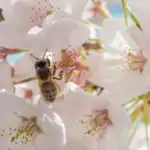
- Bees: Bees pollinate flowers, aiding plant reproduction, but their stings cause pain and allergic reactions. Organic matter decomposition is also crucial.
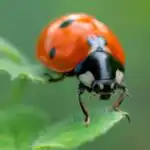
- Ladybugs: Ladybugs eat aphids (harmful to plants), but large numbers can become a nuisance in homes.
- Ants: Some ants help break down organic matter, improving soil, but they can invade homes and gardens, and some bite or sting.
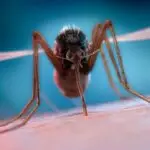
- Mosquitoes: Mosquitoes are a food source for other animals, but they spread diseases like malaria and dengue fever.
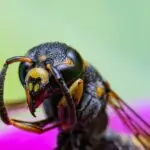
- wasps: Wasps control other pests, but they are aggressive and their stings are painful and can cause allergic reactions.
- Termites: Termites recycle dead wood, enriching the soil, but they can cause significant damage to wooden structures in buildings.
- Caterpillars: Caterpillars can be a food source for birds and other animals,but they can also defoliate plants and crops,causing significant damage.
Managing Harmful Insects
Managing harmful insects without harming the environment is critically important. Methods include:
- Using natural pesticides: These are made from plants and minerals and are safer than synthetic pesticides.
- Planting insect-repelling plants: Plants like lavender, rosemary, and basil naturally repel some insects.
- Using traps: Traps can catch and remove harmful insects.
- Practicing good hygiene: Keeping homes and yards clean prevents insect breeding.
- Introducing natural predators: Encouraging birds and other insect-eating animals can definitely help control harmful insect populations.
- Crop rotation: Changing the crops planted in a field each season can disrupt the life cycles of certain pests.
- Using physical barriers: Nets and screens can prevent insects from reaching plants and entering buildings.
Teaching Methods
To deliver this lesson, the teacher will adopt the following methods: Discussion, Question and answer, Group work, Visual aids
Instructional Procedures
To deliver this lesson, the teacher will adopt the following steps:
Step 1: Introduction
Time: 5 minutes
Teaching Skill: Set Induction
Teacher’s Activity: Reviews previous lesson on useful insects, introduces the concept of insects with dual nature (useful and harmful).
Pupils’ Activity: Recall previous lesson, participate in discussion.
Step 2: Clarification of Key Concepts
Time: 10 minutes
Teaching Skill: Explaining, defining
Teacher’s Activity: Explains what constitutes a “useful but harmful” insect, provides examples.
Pupils’ Activity: Listen attentively, ask clarifying questions.
Step 3: exhibition/Guided Practice
Time: 10 minutes
Teaching Skill: Demonstrating, guiding
Teacher’s Activity: Shows pictures/illustrations of insects, guides pupils in identifying their usefulness and harmfulness.
Pupils’ Activity: Observe, participate in identifying insects and their impact.
Step 4: Autonomous Practice
Time: 5 minutes
Teaching Skill: monitoring, facilitating
Teacher’s Activity: Asks pupils to work in groups to discuss examples of useful but harmful insects and their impact.
Pupils’ Activity: Work in groups, discuss and share ideas.
Step 5: Note-Taking
Time: 5 minutes
Teaching Skill: Summarizing, note-taking
Teacher’s Activity: Summarizes key points, guides pupils in taking notes.
Pupils’ Activity: Take notes, ask questions for clarification.
Step 6: Evaluation/Review
Time: 5 minutes
Teaching Skill: Questioning, assessing
Teacher’s activity: Asks review questions to assess understanding.
pupils’ Activity: Answer questions, participate in review.
Objective-aligned checks:
- Identify examples of useful but harmful insects.
- Explain how these insects are useful and how they are harmful.
- Explain ways to manage harmful insects without harming the habitat.
Step 7: Conclusion
time: 2 minutes
Teaching Skill: Summarizing, concluding
Teacher’s Activity: Summarizes the lesson and assigns homework.
Pupils’ Activity: Listen and note homework.
Lesson Keywords
- Pollination – The transfer of pollen from the male part of a flower to the female part,enabling fertilization and reproduction.
- Pesticides – Substances used to kill or control pests, including insects.
- Natural Predators – Animals that naturally hunt and feed on other animals, helping to control their populations.
- Hygiene – Practices that promote cleanliness and health, preventing the breeding of insects.
- Defoliate – To remove leaves from a plant, often by insects feeding on them.
Lesson Evaluation
To evaluate the learning, the teacher asks pupils to:
- Name two insects that are both useful and harmful.
- Explain why bees are considered both useful and harmful.
- Describe one safe way to observe harmful insects.
- What are some ways to manage harmful insects without harming the environment?
- Why is it important to learn about the dual nature of insects?
Assignment/Homework
- draw your favorite insect and write a short paragraph about its usefulness and potential harm.
- List three ways to manage harmful insects in your home or garden without using harmful chemicals.
Differentiation
- For slower learners: Provide one-on-one assistance and use simpler language.
- For advanced learners: Encourage them to research additional examples of useful but harmful insects and present their findings to the class.
- For visual/auditory/kinesthetic learners: Use visual aids, discussions, and hands-on activities to cater to different learning styles.
Note for Teachers
Ensure to use local examples of insects familiar to the pupils to enhance understanding and engagement. Emphasize the importance of environmental conservation and responsible pest management.
Community Join the conversation Open discussion +