

Class: Primary Two
Term: Third Term
Subject: Pre-vocational Studies
curriculum Theme: Agricultural Science
Previous Lesson: Farmers’ Friends, Usefulness Of Earthworms
Topic: rodents, Birds, and Crabs
Content/learning Area: Description of Rodents, Birds and Crabs
time Allocation: 40 minutes
Performance Objectives
By the end of the lesson, pupils should be able to:
- Cognitive Domain: Identify and describe rodents, birds, and crabs.
- Affective Domain: Show interest in observing different animals around their surroundings.
- Psychomotor Domain: Discuss the importance of these animals with classmates.
- Social Domain: Cooperate with peers during group discussions.
Reference Materials
- 9 – Years Basic Education Curriculum
- Abuja Educational resource Centre scheme of Work
- NAPPS National Unified Scheme of Work
- Relevant Textbooks
Instructional Materials
To deliver this lesson, the teacher will employ the help of the following materials:
- Pictures of rodents, birds, and crabs.
- Whiteboard or chart paper.
- Markers or crayons.
Rationale for the Lesson
Understanding different types of animals helps pupils appreciate biodiversity and the roles animals play in the ecosystem. This knowledge builds a foundation for future lessons in biology and environmental studies.
Prerequisite/Previous Knowledge
Pupils have prior knowledge of common animals around their homes or schools.
Lesson content
What are Rodents?
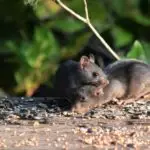
Rodents are small mammals with constantly growing teeth. They gnaw on things to keep their teeth short. Examples are:
- Rats: Luminous and adaptable, found in various habitats.
- Mice: Small and agile, often found in homes and gardens.
- squirrels: Playful,with bushy tails,often seen in trees.
- Guinea pigs: Gentle and social, popular pets.
- Hamsters: small, nocturnal, with cheek pouches for storing food.
- Beavers: Large, semi-aquatic rodents known for building dams.
- Porcupines: Rodents with sharp quills for defense.
birds
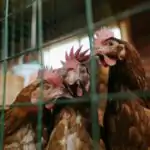
Birds are diverse animals with feathers, wings, and beaks. They live worldwide. Examples are:
- Sparrows: Small, brown birds common in urban areas.
- Pigeons: Larger birds found in cities and parks,known for long-distance flights.
- Eagles: Majestic birds of prey with sharp eyesight and talons.
- Parrots: Colorful birds that can mimic human speech.
- Owls: Nocturnal birds of prey with silent flight and excellent night vision.
- Penguins: Flightless birds adapted to cold, aquatic environments.
- Ostriches: Large, flightless birds known for their speed.
Crabs
Crabs are crustaceans with hard shells and pincers. They live in oceans, rivers, and lakes. Examples are:
- Blue crabs: Known for their blue-gray shells and meat, found in coastal areas.
- Hermit crabs: Live in empty snail shells for protection, found in coastal areas and on beaches.
- Fiddler crabs: Known for their large, one-sided claws used to attract mates, found in mudflats and salt marshes.
- king crabs: Large crabs found in cold, deep waters, known for their long legs and meat.
- Spider crabs: Known for their long, spindly legs, found in deep waters.
- Dungeness crabs: Popular for their sweet, delicate meat, found along the Pacific coast.
- Stone crabs: Known for their strong claws, which are harvested and regenerated.
Teaching Methods
To deliver this lesson, the teacher will adopt the following methods: Discussion,Question and answer,Visual aids
Instructional Procedures
To deliver this lesson,the teacher will adopt the following steps:
Step 1: Introduction (Set Induction)
Time: 5 minutes
Teaching Skill: Questioning
Teacher’s Activity: Asks pupils what animals they know.
Pupils’ Activity: Respond to the teacher’s questions.
Step 2: Clarification of Key Concepts
time: 15 minutes
Teaching skill: Explanation
Teacher’s Activity: Explains the characteristics of rodents,birds,and crabs using pictures and examples.
Pupils’ Activity: Listen attentively and ask questions.
Step 3: Exhibition/Guided Practice
Time: 10 minutes
Teaching Skill: Modeling
Teacher’s Activity: Shows pictures of different types of rodents, birds, and crabs and describes their features.
Pupils’ Activity: Observe the pictures and participate in discussions.
Step 4: Autonomous Practice
Time: 5 minutes
Teaching Skill: Monitoring
Teacher’s Activity: Guides pupils to draw a picture of a chosen animal.
Pupils’ Activity: Draw a picture of a rodent,bird,or crab.
Step 5: Note-Taking
Time: 2 minutes
Teaching Skill: note-taking
Teacher’s Activity: Guides pupils to write down key facts about each animal group.
pupils’ Activity: Write down key facts.
Step 6: Evaluation/Review
Time: 3 minutes
Teaching Skill: Questioning
Teacher’s activity: Asks review questions.
Pupils’ Activity: Answer the review questions.
Step 7: conclusion
Time: 2 minutes
Teaching Skill: Summarizing
Teacher’s Activity: Summarizes the key points about rodents, birds, and crabs, emphasizing their importance in the environment.
Pupils’ Activity: Listen attentively and ask questions for clarification.
Lesson Keywords
- Rodent – A small mammal with constantly growing incisors.
- Bird – A warm-blooded vertebrate with feathers, wings, and a beak.
- Crab – A crustacean with a hard exoskeleton and pincers.
- Mammal – A warm-blooded vertebrate animal of a class that is distinguished by the possession of hair or fur, females secrete milk for the nourishment of the young.
- Crustacean – An arthropod of the large, mainly aquatic group Crustacea, such as a crab, lobster, shrimp, or barnacle.
Lesson Evaluation
To evaluate the learning, the teacher asks pupils to:
- Name three examples of rodents.
- Describe two characteristics of birds.
- Draw a simple picture of a crab.
- What are some of the ways that rodents, birds, and crabs are vital to the environment?
Assignment/Homework
- List five different types of birds you can find in your local environment.
- Research and write a short paragraph about the habitat and diet of one type of crab.
- Draw and label a picture of your favorite rodent.
Differentiation
- For slower learners: Provide one-on-one assistance and use simpler language.
- For advanced learners: Encourage them to research additional information about these animals and present their findings to the class.
- For visual/auditory/kinesthetic learners: Use visual aids, auditory descriptions, and hands-on activities like drawing and modeling.
Note for Teachers
Ensure to bring clear pictures or models of rodents, birds, and crabs to aid visual learning. Encourage pupils to share their personal experiences with these animals to make the lesson more engaging.

Community Join the conversation Open discussion +