

Class: Primary Two
Term: Third Term
Subject: pre-vocational Studies
curriculum Theme: Agricultural Science
Previous Lesson: Useful Farm Insects
Topic: Usefulness of Insects
Content/learning area: What is the Usefulness of Insects?, Some of the major ways farm insects are useful include:
Time Allocation: 40 minutes
Performance Objectives
By the end of the lesson, pupils should be able too:
- Cognitive Domain:
- List at least five types of farm insects and explain their usefulness.
- Affective Domain:
- Show gratitude for farm insects and their roles in the surroundings.
- Psychomotor Domain:
- Draw and label a bee and explain its importance in pollination.
- Social Domain:
- Discuss in groups the benefits of farm insects.
Reference Materials
- 9 – Years Basic Education Curriculum
- Abuja Educational resource Center Scheme of Work
- NAPPS National Unified Scheme of Work
- Relevant Textbooks
instructional Materials
To deliver this lesson, the teacher will use the following materials:
- Whiteboard or chart paper
- Markers or crayons
- Pictures or illustrations of farm insects
- Relevant textbooks
Rationale for the Lesson
understanding the usefulness of insects is crucial for appreciating the environment and enduring agriculture. This lesson lays the foundation for future lessons on environmental conservation and responsible farming practices.
Prerequisite/Previous Knowledge
The teacher will start by asking pupils what they know about insects. A brief discussion will follow, leading into the topic of farm insects and their importance.
Lesson Content
What is the Usefulness of Insects?
Farm insects are very vital for agriculture and our environment. They help keep things healthy and support our food supply.
Some of the major ways farm insects are useful include:
Insects play several important roles in the ecosystem and agriculture. These include:
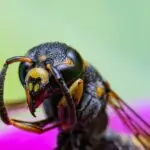
- Pollination: Bees and butterflies move pollen between flowers, helping plants make seeds and fruit. Many fruits, vegetables, and flowers wouldn’t exist without them.
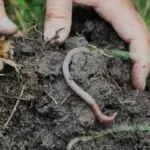
- Soil Fertility: Earthworms and beetles break down dead things like leaves and animal waste, adding nutrients to the soil for plants to grow. This is important for healthy soil.
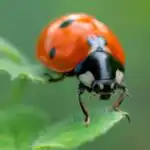
- Pest Control: Some insects, like ladybugs and praying mantises, eat harmful pests that damage crops.This helps reduce the need for harmful chemicals.
- Waste Decomposition: Dung beetles break down animal waste, preventing disease and recycling nutrients back into the soil. This keeps the environment clean.
- Food Source: Insects are food for many animals, like birds and reptiles. They are a part of the food chain.
- Nutrient Cycling: Insects help in the decomposition of organic matter, releasing nutrients back into the soil for plants to use.
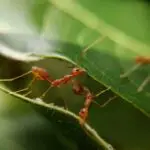
- Aeration of Soil: Insects like ants and termites create tunnels in the soil,improving aeration and water infiltration,which benefits plant roots.
Teaching Methods
To deliver this lesson, the teacher will adopt the following methods: Discussion, Group work, Question and answer, Visual aids.
Instructional Procedures
To deliver this lesson, the teacher will adopt the following steps:
Step 1: Introduction
Time: 5 minutes
Teaching Skill: Set Induction
Teacher’s Activity: Ask pupils what they know about insects. Introduce the topic: Usefulness of Insects.
Pupils’ Activity: Respond to teacher’s questions and listen attentively.
Step 2: Clarification of Key Concepts
Time: 10 minutes
Teaching Skill: Explaining
Teacher’s Activity: Explain the importance of farm insects in agriculture and the environment.
Pupils’ Activity: Listen attentively and ask questions.
Step 3: Exhibition/Guided Practice
Time: 10 minutes
Teaching Skill: Demonstrating
Teacher’s Activity: Show pictures of different farm insects and explain their roles (pollination, soil fertility, pest control, waste decomposition, food source).
Pupils’ Activity: Observe and participate in discussions.
Step 4: Independent Practice
Time: 5 minutes
Teaching Skill: Guiding
Teacher’s Activity: Divide pupils into groups and assign them tasks related to the lesson content.
Pupils’ Activity: Work in groups to complete assigned tasks.
Step 5: Note-Taking
Time: 5 minutes
Teaching Skill: Note-taking
Teacher’s Activity: Guide pupils in taking notes on the key concepts.
Pupils’ Activity: Take notes on the key concepts.
Step 6: Evaluation/Review
Time: 5 minutes
teaching Skill: Questioning
Teacher’s Activity: Ask evaluation questions to assess pupils’ understanding.
Pupils’ Activity: Answer evaluation questions.
Objective-aligned checks:
- List at least five types of farm insects and explain their usefulness.
- Draw and label a bee and explain its importance in pollination.
Step 7: Conclusion
Time: 5 minutes
Teaching Skill: Summarizing
Teacher’s Activity: Summarize the key points and encourage pupils to continue learning about the importance of insects in our environment.
Pupils’ Activity: Listen attentively and ask questions.
lesson Keywords
- Pollination – The transfer of pollen from the male part of a flower to the female part, enabling fertilization and the production of seeds.
- Soil Fertility – The ability of soil to sustain plant growth by providing essential nutrients and physical support.
- Pest Control – The regulation or management of species defined as pests, which can harm crops or livestock.
- Decomposition – The process by which organic substances are broken down into simpler forms, often aided by insects and microorganisms.
- Ecosystem – A biological community of interacting organisms and their physical environment.
Lesson Evaluation
To evaluate the learning, the teacher asks pupils to:
- Name three farm insects and explain one role each plays in the ecosystem.
- Draw and label a bee and explain its importance in pollination.
- Share one new thing you learned about farm insects today with the class.
- Why is it critically important to protect farm insects?
- Can you think of any other ways farm insects are useful?
Assignment/Homework
- List five different types of farm insects found in your local area.
- Write a short paragraph explaining why bees are critically important for agriculture.
- Draw a diagram showing how insects help in the decomposition of organic matter.
Differentiation
- For slower learners: Provide one-on-one assistance and simplified explanations.
- For advanced learners: Encourage further research and exploration of the topic.
- for visual/auditory/kinesthetic learners: Use visual aids, discussions, and hands-on activities to cater to different learning styles.
Note for Teachers
Ensure to use real-life examples and visual aids to make the lesson engaging and relatable for the pupils. Encourage active participation and group discussions to enhance understanding and retention.
Community Join the conversation Open discussion +