

Class: Primary Two
Term: Second Term
Subject: Pre-vocational Studies
Curriculum Theme: Agricultural Science
Previous Lesson: Uses of Ornamental Crops
Topic: Fruit Crops
Content/Learning Area: Defining Fruit crops and stating examples, Appreciating the importance of fruit crops, Engaging in group discussions to share knowledge about fruit crops
Time Allocation: 40 minutes
performance Objectives
By the end of the lesson, pupils should be able to:
- Cognitive Domain:
1. Define fruit crops and give three examples.
2. Explain the importance of fruit crops.
3. Identify various types of fruit crops.
- Affective domain:
1. Show interest and enthusiasm in learning about fruit crops.
2. Develop an appreciation for the nutritional value of fruits.
- Psychomotor Domain:
1. Participate actively in group discussions.
2. take notes on key concepts related to fruit crops.
- Social domain:
1. Work collaboratively with peers in group discussions.
2.Share knowledge and ideas about fruit crops respectfully.
Reference Materials
- 9 – Years Basic Education Curriculum
- Abuja Educational Resource Center Scheme of Work
- NAPPS National Unified Scheme of Work
- Relevant Textbooks
Instructional Materials
To deliver this lesson, the teacher will use the following materials:
- Whiteboard or chart paper
- Markers or crayons
- Pictures or real examples of various fruits
- Relevant textbooks
Rationale for the Lesson
understanding fruit crops is crucial for a healthy lifestyle and promotes awareness of nutrition. This lesson lays the foundation for future lessons on agriculture and healthy eating habits.
prerequisite/Previous Knowledge
The teacher will start by asking pupils what they ate for breakfast, prompting discussion about fruits they may have eaten. This will lead into a discussion about the different types of fruits and their importance.
Lesson Content
Fruit Crops
Fruit crops are plants that produce fruits. Fruits are the mature ovaries of flowering plants, usually containing seeds that help the plant reproduce.
What are Fruit Crops?
Fruit crops are vital for a balanced diet and good health. They provide essential vitamins, minerals, and fiber.The importance of fruit crops include:
- High nutritional value: Fruits are packed with vitamins, minerals, and antioxidants, protecting against diseases.
- Good fiber source: Fruits help with digestion and maintaining a healthy weight.
- Disease prevention: Eating fruits regularly can lower the risk of chronic illnesses like heart disease and diabetes.
- hydration: Fruits contain water, keeping us hydrated.
- Improved skin health: The vitamins and antioxidants in fruits contribute to healthy and glowing skin.
- Boosted immune system: Regular consumption of fruits can strengthen the body’s defense against infections.
Examples of Fruit Crops
Many different types of fruit crops exist, including:
- Apples
- Bananas
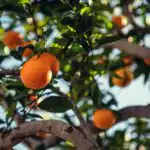
- Oranges
- Strawberries
- Grapes
- Mangoes
- Pineapples
- Watermelons
- Avocados
- Berries (blueberries, raspberries, blackberries)
- Pawpaw
- Guava
Teaching Methods
To deliver this lesson, the teacher will adopt the following methods: Discussion, Question and answer, Group work, Visual aids.
Instructional Procedures
To deliver this lesson, the teacher will adopt the following steps:
Step 1: Introduction
Time: 5 minutes
Teaching Skill: Set Induction
Teacher’s Activity: Asks pupils what they know about fruits.
Pupils’ Activity: Share their prior knowledge about fruits.
Step 2: Description of Key Concepts
Time: 10 minutes
Teaching Skill: Explaining
Teacher’s Activity: Defines fruit crops and explains their importance.
Pupils’ Activity: Listen attentively and ask clarifying questions.
Step 3: Demonstration/Guided Practice
Time: 10 minutes
Teaching Skill: Demonstrating
Teacher’s Activity: Shows pictures or real examples of various fruit crops.
Pupils’ Activity: Identify and name the different fruit crops.
Step 4: Autonomous Practice
Time: 5 minutes
teaching Skill: Monitoring
Teacher’s activity: Guides pupils in group discussions about fruit crops.
Pupils’ Activity: Discuss and share their knowledge in groups.
Step 5: Note-taking
Time: 5 minutes
Teaching Skill: Note-taking
Teacher’s Activity: Guides pupils in taking notes on key concepts.
Pupils’ Activity: Write down significant information about fruit crops.
Step 6: Evaluation/Review
Time: 5 minutes
Teaching Skill: Questioning
Teacher’s activity: Asks review questions to assess understanding.
Pupils’ Activity: Answer the review questions.
Objective-aligned checks:
- Define fruit crops and give three examples.
- Explain the importance of fruit crops.
- Identify various types of fruit crops.
Step 7: Conclusion
Time: 2 minutes
Teaching Skill: Summarizing
Teacher’s Activity: Summarizes the key points about fruit crops and their importance.
Pupils’ Activity: Listen attentively and ask any remaining questions.
Lesson Keywords
- Fruit Crops – Plants that produce fruits.
- Nutrition – The process of obtaining the nutrients needed for health and growth.
- Vitamins – Organic compounds that are essential for normal growth and nutrition.
- Minerals – Inorganic substances that are essential for human health.
- Fiber – Indigestible plant material that aids in digestion.
lesson Evaluation
To evaluate the learning, the teacher asks pupils to:
- What are fruit crops?
- Why are fruit crops critically important for our health?
- Name three examples of fruit crops.
- What are some benefits of eating fruits?
- Can you think of any othre fruit crops not mentioned in class?
Assignment/Homework
- Draw your favorite fruit and write a sentence about it.
- List five different fruit crops you can find in your home or neighborhood.
- Ask your parents or guardians about the benefits of eating fruits and share with the class next time.
Differentiation
- For slower learners: The teacher will provide one-on-one assistance and simplified explanations.
- For advanced learners: The teacher will encourage further research on different types of fruit crops and their origins.
- For visual/auditory/kinesthetic learners: Use visual aids like pictures and real fruits, engage in discussions, and allow hands-on activities like sorting and grouping fruits.
Note for Teachers
Ensure to bring real examples of fruits or colorful pictures to make the lesson more engaging. Encourage pupils to share their personal experiences with different types of fruits to foster a deeper understanding and appreciation.

Community Join the conversation Open discussion +