

Class: Primary Two
Term: Second Term
Subject: Pre-vocational Studies
Curriculum Theme: Agricultural Science
Previous lesson: Meaning of Tuber Crops
Topic: Tuber Crops
Content/Learning Area: What is a Tuber?, Examples Of Local Tuber Crops, Location Of Local Tuber Crops
Time Allocation: 40 minutes
Performance Objectives
By the end of the lesson, pupils should be able to:
- Cognitive Domain:
1. Mention four examples of local tuber crops.
2. Identify the major locations where these crops grow.
- Psychomotor Domain:
1. Draw a picture of their favorite tuber crop.
- Affective Domain:
1. Show interest in learning about tuber crops.
2. Appreciate the importance of tuber crops as a food source.
- social Domain:
1.Participate actively in class discussions.
Reference Materials
- 9 – years basic Education Curriculum
- Abuja Educational Resource Center Scheme of Work
- NAPPS National Unified Scheme of Work
- Relevant Textbooks
Instructional Materials
To deliver this lesson,the teacher will use the following materials:
- Whiteboard or chart paper
- Markers or crayons
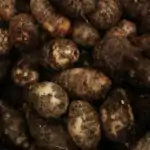
- Pictures or real examples of tuber crops (yam,cassava,sweet potato,Irish potato,cocoyam)
- Relevant textbooks
Rationale for the Lesson
Understanding tuber crops is crucial for pupils’ knowledge of agriculture and food sources. This lesson provides a foundation for future learning about farming, nutrition, and the importance of local food production.
Prerequisite/Previous Knowledge
Pupils have basic knowledge of different types of food and where thay come from.
Lesson Content
What is a Tuber?
A tuber is a thickened underground stem that stores food for the plant. It has buds, called “eyes,” that can grow into new plants.
Examples Of Local Tuber Crops
Tuber crops are essential food sources in many cultures. These include:
- Yam
- Cassava
- Sweet Potato
- Irish Potato
- Cocoyam
- Hausa Potato
- Ginger
Location Of Local Tuber Crops
Different tuber crops thrive in various regions due to specific climate and soil requirements. These include:
- Yam: Typically grown in well-drained soil in tropical and subtropical areas of Africa, Asia, and the Americas.
- Cassava: Thrives in tropical and subtropical regions, commonly found in Africa, Asia, and South America.
- Sweet Potato: Prefers warm climates and is widely grown in Africa, Asia, and parts of the Americas.
- Irish Potato: Grows best in cooler climates,often found in temperate regions of Europe,North America,and asia.
- Cocoyam: Grows well in tropical climates and is common in Africa, Asia, and the Americas.
- Hausa Potato: commonly grown in Northern Nigeria and othre parts of west Africa with sandy soil.
- Ginger: Thrives in warm, humid climates and is cultivated in many parts of Nigeria, especially in the southern regions.
Teaching Methods
To deliver this lesson, the teacher will adopt the following methods: Discussion, question and answer, Visual aids
Instructional Procedures
To deliver this lesson, the teacher will adopt the following steps:
Step 1: Introduction
Time: 5 minutes
Teaching Skill: Set Induction
Teacher’s Activity: Ask pupils what they know about food and where it comes from.
Pupils’ Activity: Respond to the teacher’s questions and share their prior knowledge.
Step 2: Description of Key Concepts
Time: 10 minutes
teaching Skill: Description
Teacher’s Activity: Explain what a tuber is and show pictures of different tuber crops.
Pupils’ activity: listen attentively and ask questions.
Step 3: Demonstration/Guided Practice
Time: 10 minutes
Teaching Skill: Demonstration
Teacher’s Activity: Show examples of different tuber crops and discuss their characteristics.
Pupils’ Activity: Observe and participate in the discussion.
Step 4: Self-reliant Practice
Time: 5 minutes
Teaching Skill: Guided practice
Teacher’s Activity: Ask pupils to name examples of tuber crops and where they grow.
Pupils’ Activity: Answer the teacher’s questions.
Step 5: Note-Taking
time: 5 minutes
Teaching Skill: Note-Taking
Teacher’s Activity: Guide pupils in taking notes on the key concepts.
Pupils’ Activity: Write down vital information.
Step 6: Evaluation/Review
Time: 5 minutes
Teaching Skill: Questioning
Teacher’s Activity: Ask review questions to assess understanding.
Pupils’ Activity: Answer the review questions.
Objective-aligned checks:
- Mention four examples of local tuber crops.
- Identify the major locations where these crops grow.
- Draw a picture of their favorite tuber crop.
Step 7: Conclusion
Time: 5 minutes
Teaching Skill: Summarizing
Teacher’s activity: Summarize the key points about tuber crops and assign homework.
Pupils’ Activity: Listen to the summary and note the homework assignment.
Lesson Keywords
- Tuber – A thickened underground stem that stores food for the plant.
- Yam – A starchy tuber crop commonly eaten in Nigeria.
- Cassava – A root vegetable used to make garri and fufu.
- Sweet Potato – A sweet-tasting tuber that is rich in vitamins.
- Irish Potato – A common potato variety used in many dishes.
- Cocoyam – A tuber crop similar to yam, often used in soups and stews.
Lesson Evaluation
To evaluate the learning, the teacher asks pupils to:
- Name three examples of local tuber crops.
- Where are these tuber crops commonly found?
- Draw your favorite local tuber crop.
- What are some benefits of eating tuber crops?
- Name some dishes made from tuber crops.
Observation: Teacher will observe pupils’ participation in discussions,their ability to identify tuber crops,and their understanding of where they grow.
Assignment/Homework
- Draw your favorite tuber crop.
- Write a short paragraph about your favorite tuber crop, including where it grows and how it is used in cooking.
Differentiation
- For slower learners: Provide one-on-one assistance and use simpler language.
- For advanced learners: Encourage them to research additional information about tuber crops and their uses.
- For visual/auditory/kinesthetic learners: Use visual aids, discussions, and hands-on activities to cater to different learning styles.
Note for Teachers
Ensure to bring real examples or pictures of tuber crops to make the lesson more engaging. Encourage pupils to share their personal experiences with these crops.

Community Join the conversation Open discussion +